
Some mornings leave time to measure coffee, adjust the water, and enjoy the brewing process. Other mornings call for a cup ready quickly, with minimal prep and cleanup.
That difference sits at the center of the coffee pods vs. ground coffee decision.
Coffee pods offer speed, portion control, and predictable preparation. Ground coffee gives you more control over the dose, strength, water, and brewing method. Neither format is automatically better. The right choice depends on your routine, equipment, budget, and the kind of coffee experience you want.
The short answer is that coffee pods are generally better for convenience, consistency, and single-cup brewing. Ground coffee usually offers better control, flexibility, and flavor adjustment. However, the quality of the coffee inside the package still matters more than the format alone.
Coffee Pods vs Ground Coffee: Quick Comparison
| Factor | Coffee pods | Ground coffee |
| Convenience | Fast, pre-measured, and easy to clean | Requires measuring and more preparation |
| Flavor control | Limited control over dose and extraction | Greater control over strength and brewing |
| Consistency | Produces a similar cup each time | Results depend on dose, water, grind, and technique |
| Freshness | Each serving remains sealed until use | The full bag becomes exposed after opening |
| Cost per cup | Fixed and easy to calculate | Often lower, depending on dose and waste |
| Brewing options | Requires a compatible single-serve machine | Works with several brewing methods |
| Best for | Busy mornings, offices, guests, and occasional drinkers | Regular home brewers who value flexibility |
Coffee pods contain a measured amount of ground coffee inside packaging designed for a compatible single-serve machine. Ground coffee comes in a larger bag and requires measuring before brewing.
For a broader introduction to how pods work, read this guide Everything you need to know about coffee pods. This comparison focuses specifically on which format offers the best value for different coffee routines.
Do Coffee Pods or Ground Coffee Taste Better?
Ground coffee gives you more control over flavor.
You can adjust the amount of coffee, water, brewing time, and preparation method. If a cup tastes weak, strong, sour, or bitter, you can adjust several variables.
The same ground coffee can also produce different results in a French press, drip machine, pour-over, or cold brew system. Each method changes how water interacts with the grounds and influences strength, body, clarity, and texture.
Coffee pods offer less control, but that does not automatically mean lower quality. A well-made pod can deliver a consistent, enjoyable cup because the dose is measured and the machine repeats a similar process each time.
The quality of the coffee inside the pod remains important. Origin, processing, roast development, grinding, packaging, water, and brewing all influence the final result.
The real question is not whether pods always taste worse than ground coffee. The real question is whether the format delivers the flavor and convenience you expect.
If you are still identifying the profiles you enjoy, Choosing coffee by flavor explains terms like fruity, floral, chocolatey, bright, and full-bodied.
Which Option Stays Fresher?
Freshness depends on roasting, packaging, storage, and how quickly you use the coffee.

Coffee Pod
A coffee pod protects one portion until you are ready to brew it. Opening a single pod does not expose the remaining servings in the box. This can help occasional drinkers who take several weeks to finish their supply.

Ground Coffee
A bag of ground coffee behaves differently. Once opened, the entire contents begin interacting with oxygen, moisture, heat, and surrounding odors. Closing the package properly and storing it in a cool, dry place helps protect its aroma and flavor.

Whole Bean Coffee
Whole-bean coffee gives you the most control over when you grind it, but it also requires a grinder and extra prep. That makes it a separate decision involving freshness, equipment, and convenience.
Are Coffee Pods More Expensive Than Ground Coffee?
Coffee pods often cost more per serving because each portion is individually prepared and packaged. However, the true comparison depends on the product, dose, serving size, and how much coffee you waste.
Pods make the calculation straightforward:
Cost per pod cup = box price ÷ number of pods
Calculating the cost of ground coffee requires an estimate of how many servings you prepare from the bag:
Estimated cups per bag = bag weight ÷ coffee dose used per cup
Cost per ground cup = bag price ÷ estimated cups per bag
This calculation only works when you use a reasonably consistent dose. If you change the amount of coffee each time, your cost per serving also changes.
Waste can alter the comparison. Ground coffee may have a lower theoretical cost per cup, but that advantage disappears if you regularly brew more than you drink. A pod may cost more per serving, but it reduces waste by letting you prepare one cup at a time.
Ground coffee may provide better value for a household that drinks several cups each day. Pods may offer better practical value for someone who drinks occasionally, needs one serving, or values speed over the lowest possible cost.
For a broader explanation of the expenses behind the final price, read what coffee prices really pay for.
If you are considering a larger quantity of ground coffee, our guide to whether bulk coffee is a good deal for home brewers explains how consumption and storage affect real value.
Convenience, Consistency, and Brewing Control
Convenience is the clearest advantage of coffee pods.
There is no need to measure coffee, handle loose grounds, select a filter, or clean a brewer filled with used coffee. This makes pods practical for offices, shared kitchens, guest rooms, busy mornings, and households where people drink coffee at different times.
Pods also make it easier to prepare one serving without brewing a full pot. Because the portion is already measured, the process remains relatively consistent from cup to cup.
Ground coffee requires more involvement. You must decide how much to use, select the appropriate brewing method, and clean the equipment afterward.
That additional work also creates flexibility. Ground coffee lets you adjust strength, serving size, brew time, and water quantity. One bag works across a wider range of equipment, including drip machines, French presses, pour-over brewers, cold brew systems, and other manual methods.
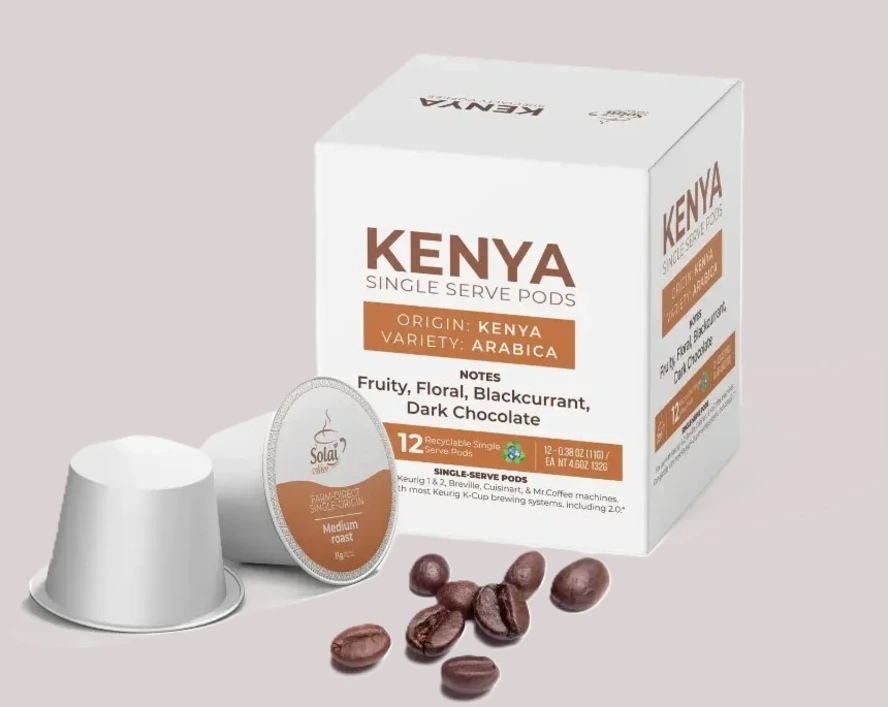
Solai Coffee’s Kenya Specialty Coffee Pods offer a convenient way to brew Kenyan coffee with compatible Keurig systems.
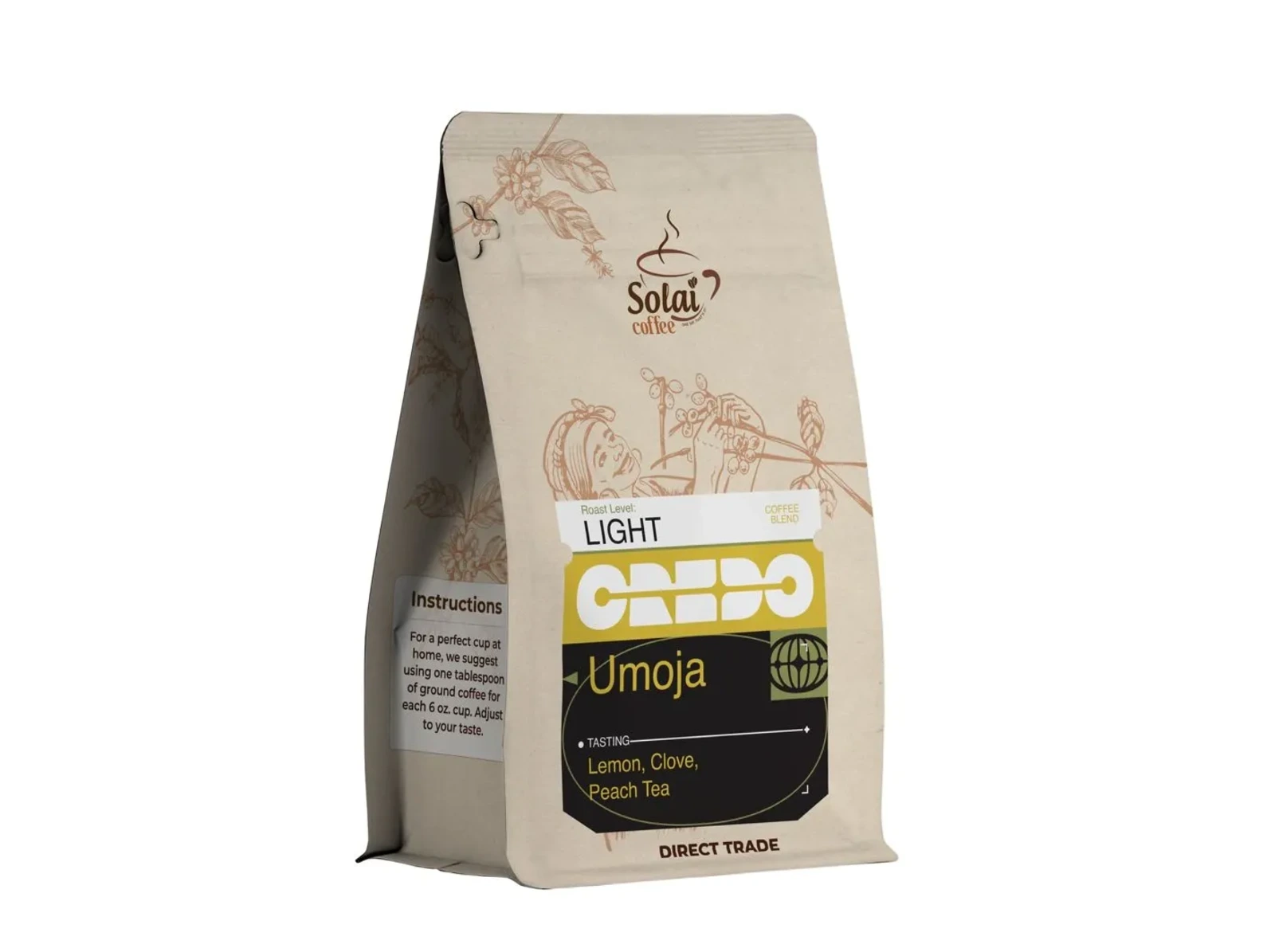
For a distinctive ground coffee option, UMOJA is a light-roast collaboration between Solai Coffee and Credo Coffee Roasters that brings together coffee from Kenya and Mexico.
Frequently asked questions
Coffee pods contain ground coffee, but the coffee is measured and sealed inside packaging designed for a compatible machine. Bagged ground coffee must be measured and can be used with several brewing methods.
Pods often cost more per serving because of their individual packaging and convenience. However, the actual difference depends on the product, coffee dose, serving size, and whether either format creates waste.
Ground coffee gives you more control over dose, water, extraction, and brewing method. This can produce a more customized cup. A quality pod can still deliver an enjoyable and consistent result when convenience matters more than recipe control.
Yes. The pod format does not determine the quality of the coffee inside it. Origin, green coffee quality, processing, roasting, packaging, and freshness remain important. The main limitation is that the drinker has less control over the brewing recipe.
Pods are often more practical when people drink at different times and want individual servings. Ground coffee may offer better value when a team regularly prepares and finishes full pots.
Takeaway
Choose coffee pods when convenience, consistency, portion control, and minimal cleanup matter most.
Choose ground coffee when you want greater control over strength, brewing method, serving size, and flavor development.
Neither format can compensate for poor-quality coffee, unsuitable water, incorrect storage, or neglected equipment. Both can produce an enjoyable cup when the coffee is carefully sourced, properly roasted, protected after packaging, and brewed appropriately.
Explore Solai Coffee’s roasted coffee and Kenya Specialty Coffee Pods to choose the format that fits your brewing style.