
Coffee is one of those drinks that adapts to personal taste. There is no such thing as bad coffee, only different preferences. Green beans are packed with hundreds of natural flavor and aroma compounds, and when roasted, those flavors multiply and deepen. But to bring out the best in every cup, three things matter most: the grind size, the roast profile, and the brewing method.
The right brewing method, in particular, can unlock your beans' full character.
This guide explores what makes Kenyan coffee stand out, the different grades of Kenyan beans, and the best brewing methods for coffee makers and simple setups.
What Makes Kenyan Coffee Special?
This uniqueness stems from the high-altitude farms, typically located between 5,000 and 7,000 feet above sea level, where beans mature slowly, developing rich, layered flavors. The volcanic soils of central Kenya, rich in minerals, combined with balanced sunshine and rainfall, nurture beans with exceptional quality.
Processing also sets Kenyan coffee apart. The washed and fermented method produces clean, crisp flavors with tangy brightness. This distinct profile has made Kenyan coffee a benchmark of excellence in specialty coffee.
Another reason lies in its strict grading system, which ensures consistency and quality in every cup. Beans are carefully classified by size, density, and shape, with larger, denser beans generally producing more complex flavors. The most coveted is the AA grade, known for its bold flavors, lively acidity, and captivating aroma. Other grades, such as AB, PB (Peaberry), and C, each offer unique qualities.
Read More: Facts About Kenyan Coffee Beans and Why They're So Special
Brew: Preparing the Perfect Cup
Kenyan coffee has a lot of character, but your first cup at home may not taste the way you expected. A bag labeled bright and fruity could taste sharp with one brewer, heavy with another, or dull if the grind is off.
To brew Kenyan coffee well, begin with a recipe you can repeat. For a basic pour-over, use 0.53 ounces of coffee and 1 cup of water (15 grams coffee, 250 grams water), a medium-fine grind, and water at about 201°F (94°C). Taste it, then adjust one thing at a time.
You do not need special equipment for each bag. What matters is having a good starting ratio, knowing your brewer, and linking what you taste to the changes you make.
Start with the best—brew your cup with freshly roasted Solai Coffee beans.
Start With the Coffee You Have
Origin gives you useful context, but it does not determine a single correct brewing recipe. Roast level, processing method, freshness, and the individual lot all influence how a Kenyan coffee responds to brewing.
Read the bag before choosing your settings. A lighter roast may need a finer grind or hotter water to develop a balanced cup. A darker roast may taste better with a slightly coarser grind or lower temperature. Treat these as adjustments to explore rather than fixed rules.
Grade labels also need context. Kenya's grading system distinguishes beans by size, shape, and density, as explained in the International Trade Center's Coffee Guide. AA, AB, and PB do not tell you which brewing method you must use, and a larger bean does not automatically guarantee a better-tasting cup.
Choose your method according to the texture and flavor experience you enjoy. Then adjust the recipe to the coffee.
A Quick Guide to Brewing Methods
These are starting recipes for home brewing. Hot filter and immersion ratios describe dry coffee to water added. The espresso ratio describes the dry coffee-to-beverage weight.
| Method | Coffee and water or yield | Grind starting point | Timing guide | Cup style |
| Pour-over | 0.53 oz coffee, 1 cup water | Medium-fine (like table salt) | About 3 minutes total | Clean, with distinct flavors |
| French press | 1.06 oz coffee, 2 cups water | Medium-coarse (like sea salt) | 4 minutes before pressing | Fuller texture, with some sediment |
| Automatic drip | 1.06 oz coffee, 2 cups water (Note: ~3.5 machine cups) | Medium (like rough sand) | Follow the brewer's cycle | Convenient and repeatable |
| AeroPress | 0.53 oz coffee, 6.7 fl oz water | Medium-fine (like table salt) | About 2 minutes before pressing | Adjustable strength and texture |
| Espresso | 0.63 oz coffee, 1.25 fl oz espresso shot | Fine (like powdered sugar) | Start around 25 to 30 seconds | Concentrated and intense |
Your grinder, filter, batch size, and brewer will affect timing. Use the clock to notice changes, then let taste guide the next adjustment.
For filter coffee, a 1:16 ratio means 1 ounce of coffee for every 16 ounces of water. A 0.71-ounce dose therefore needs 11.3 fluid ounces of water (about 1.4 cups). The finished drink weighs less because the coffee grounds retain some water.
Brewing Coffee Without a Machine
If you don't have a coffee maker, you can still brew an excellent cup of Kenyan coffee. All you need is clean, filtered water, roasted coffee (medium or coarse grind), a grinder (if using whole beans), and a single-serve dripper.
Steps:
- Start by heating water just below boiling (195–205°F).
- Place your single-serve drip in the mug
- Add ground coffee
- Pour in water slow, steady circles.
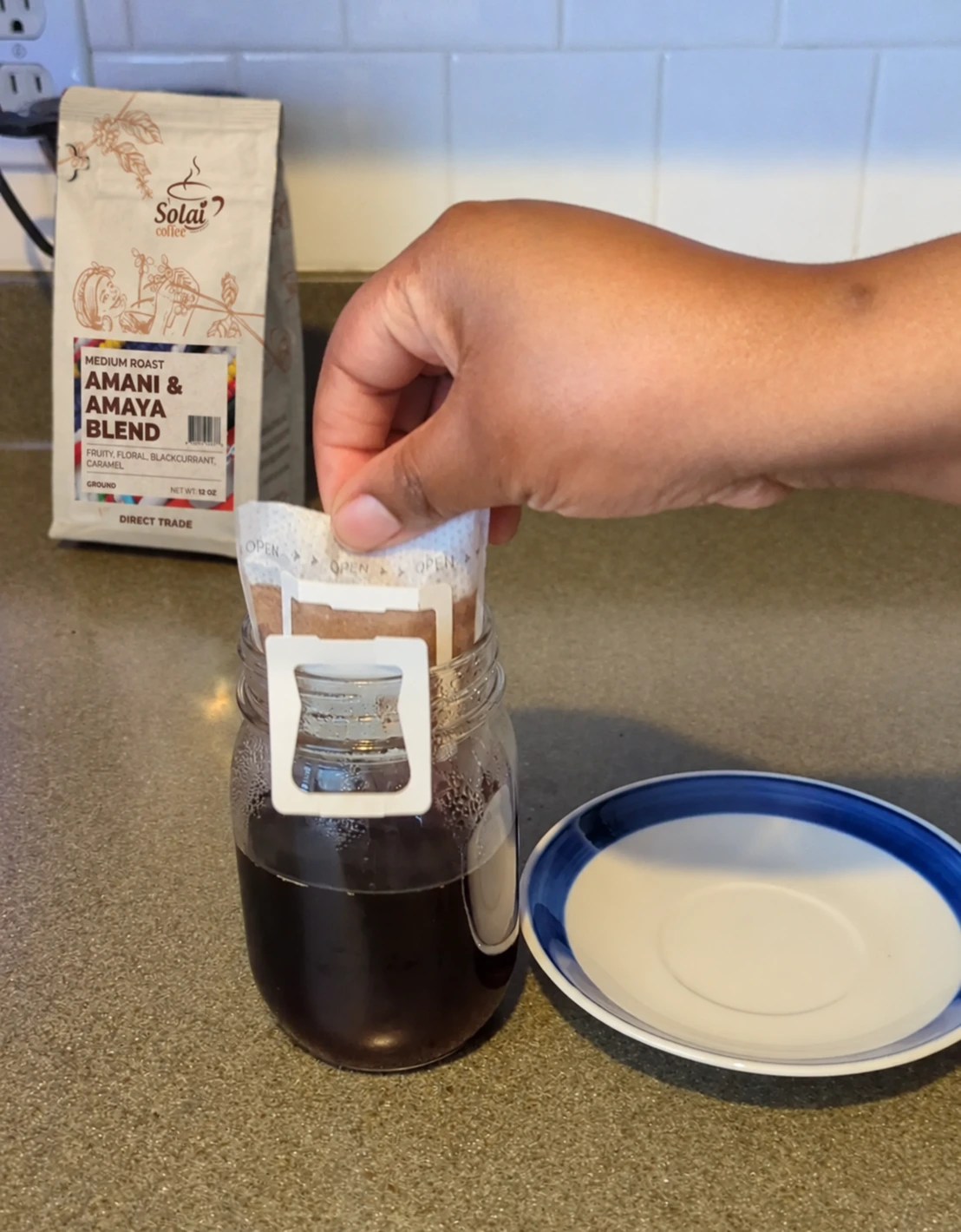
How to Brew Kenyan Coffee With a Pour-Over
Pour-over is a useful place to begin if you enjoy a clean cup and want to notice differences between bags.
The 0.53 oz coffee and 1 cup water (15-gram dose and 250-gram water) ratio also appears in James Hoffmann's one-cup V60 method published by Hario. The simplified routine below is a starting approach rather than a reproduction of that full pouring schedule.
- Place a paper filter in your dripper, rinse it, and discard the rinse water.
- Add 0.53 oz (15 grams) of medium-fine ground coffee and gently level the bed.
- Start your timer and add 1.5 to 1.7 fluid ounces (about 3 tablespoons) of water, wetting all the grounds.
- Allow about 30 to 45 seconds for the bloom.
- Add the remaining water in gentle stages until you have poured a total of 1 cup (8.5 fluid ounces).
- Let the water drain, remove the dripper, and swirl the brewed coffee before serving.
Start around 201°F. For a lighter roast that tastes underdeveloped, try hotter water on a subsequent brew. If a darker roast tastes harsh, try a slightly lower temperature.
A total brew time of three minutes is a useful reference, but a cup that tastes balanced does not need correcting just because it finishes sooner or later.
If the brew runs through quickly and tastes thin and sharply sour, try a slightly finer grind. If it drains very slowly and tastes dry or harsh, try a slightly coarser grind and gentler pouring.
Our coffee grind size guide explains how grind changes affect brewing.
Brew like a pro with the Solai Pour Over Kit—bringing out the best in Kenyan coffee right at home.
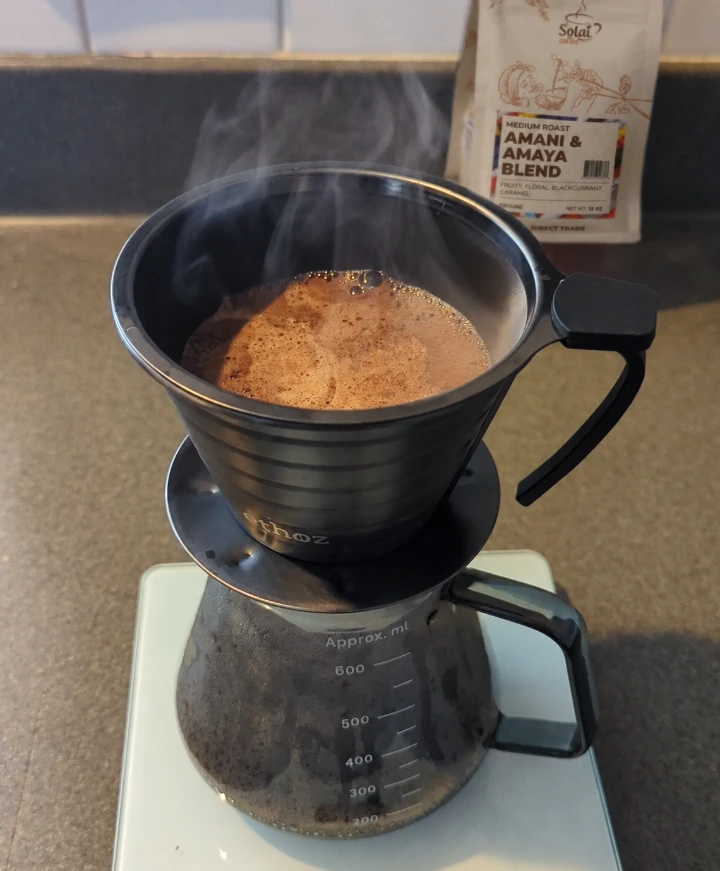
How to Brew Kenyan Coffee in a French Press
A French press is a good option if you prefer a fuller texture and do not mind a little sediment.
- Start with 1.06 ounces of medium-coarse coffee (resembling sea salt) and 2 cups (16 fluid ounces) of water heated to approx. 201°F.
- Add the ground coffee to the press.
- Pour in the water and gently stir to evenly wet the grounds.
- Place the lid on top with the plunger raised.
- Steep for four minutes.
- Lower the plunger slowly, without forcing it.
- Pour the coffee into cups or a separate serving vessel.
If the cup tastes thin and sour, try a slightly finer grind or steep longer next time. If it feels gritty, check whether your grinder produces many fine particles and pour carefully to leave the heaviest sediment behind.
A darker roast is not a requirement for French press. Use the roast you enjoy, then adjust the recipe.
You May Also Read: How Water Temperature Affects Coffee Brewing: French Press, Pour-Over & Espresso Tips
Brewing With an Automatic Drip Coffee Maker
An automatic drip machine can make this a straightforward daily routine. Start with 1.06 ounces of medium-ground coffee and 2 cups (17 fluid ounces) of water, as long as that batch size suits your machine.
Use the scale rather than relying on the brewer's “cup” markings, which may represent a smaller serving than your mug. Spread the grounds evenly in the basket and select the appropriate batch setting if your machine offers one.
For balanced but weak coffee, try a little more coffee with the same amount of water. If it tastes sharply sour, consider extraction first: a slightly finer grind may help, provided it does not cause the basket to overflow.
Clean the basket and carafe regularly, and descale according to the manufacturer's instructions. Old coffee residue can interfere with an otherwise sound recipe.
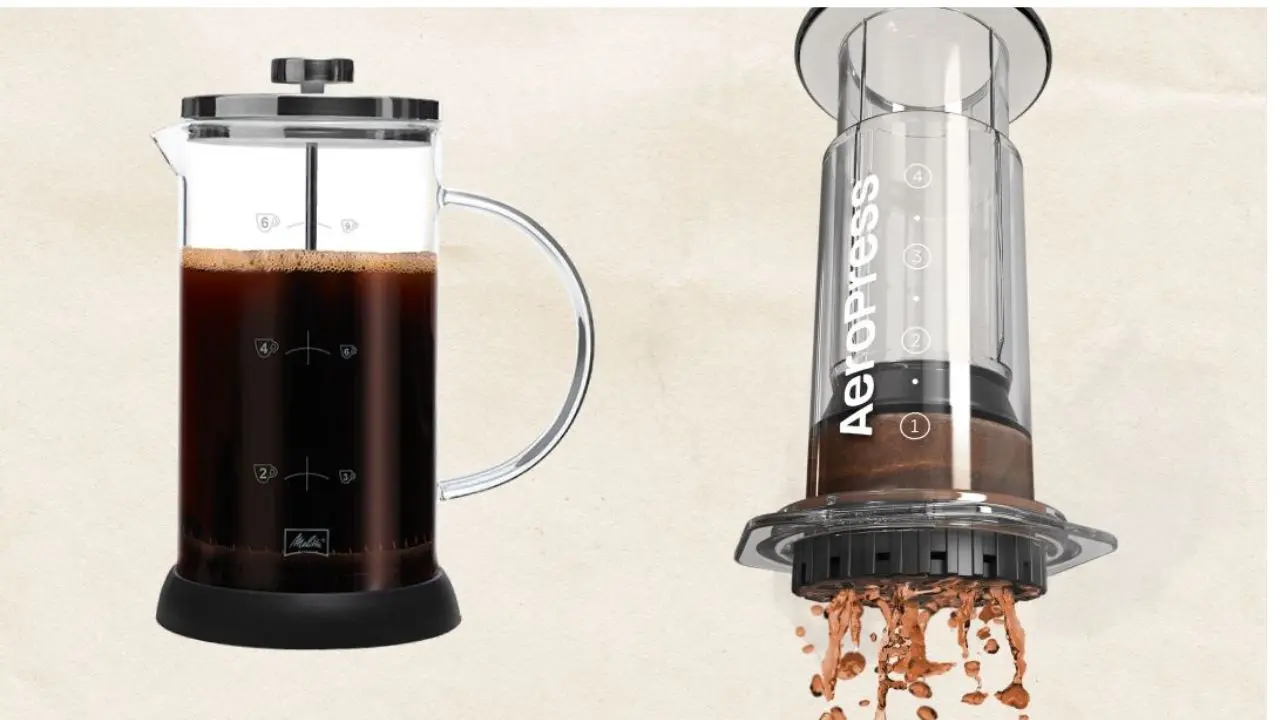
Brewing With an AeroPress or Espresso Machine
AeroPress
For a simple upright AeroPress recipe, start with 0.53 ounces of medium-fine coffee and 6.7 fluid ounces (about 3/4 cup) of water around 198°F.
Fit the filter cap and filter according to the manufacturer's instructions, and place the brewer on a sturdy mug. Add the coffee and water, stir gently, and insert the plunger just enough to create a seal. About two minutes after the first pour, press slowly and gently.
If the drink tastes balanced but stronger than you prefer, add a little hot water after brewing. Follow your model's capacity and operating guidance.
Espresso
For a basket designed for a 0.63-ounce dose, begin with 0.63 ounces of coffee and aim for a 1.25-fluid-ounce shot (double shot) of espresso in roughly 25 to 30 seconds. Follow the machine's guidance on when to start timing, and use that convention consistently.
This is a starting point rather than a universal recipe. A fast, sharply sour shot may benefit from a finer grind. Once the flow is reasonable, you can also extend the yield slightly.
If the shot tastes harsh or drying, check for uneven extraction and consider a coarser grind or shorter yield. Make one change at a time so you can understand its effect.
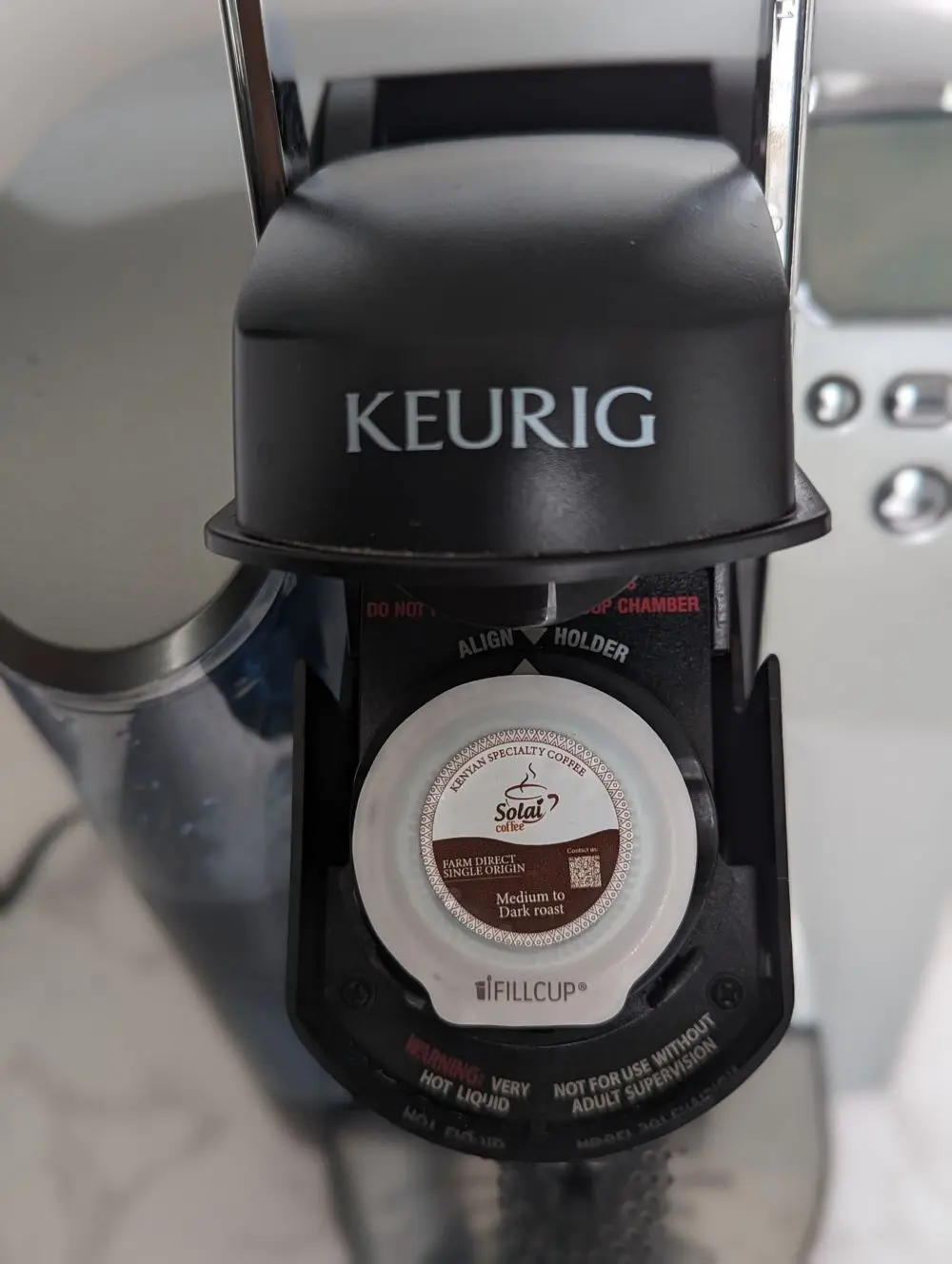
Keurig Machine
A Keurig or pod coffee machine makes brewing Kenyan coffee effortless in under a minute. For a stronger brew, choose the “strong” setting if your Keurig offers it, or use a smaller cup size.
To maximize flavor, choose these single-serve (K-cup) coffee pods for a fresher, richer brew.
Can You Use Kenyan Coffee for Cold Brew?
Yes. Cold brewing offers another way to explore the same bag, particularly if you prefer a chilled drink.
For a ready-to-drink starting recipe, combine 2.12 ounces of coarse-ground coffee with 3.75 cups (30.4 fluid ounces) of cold water in a clean, covered container. Steep in the refrigerator for 16 to 20 hours, then strain thoroughly. Taste before adding ice or milk.
This is different from making a concentrate, which uses more coffee relative to water and usually needs dilution. For that approach, follow our cold brew concentrate recipe and ratio guide.
Why Your Kenyan Coffee Tastes Sour, Bitter, or Weak
A lively cup and an unpleasantly sour cup are not the same thing. Pleasant brightness has enough sweetness and balance to make you want another sip. An under-extracted cup may taste thin, sharp, and unfinished.
Flavor can have several causes, so use this table to choose a first adjustment rather than treating it as a diagnosis.
| What you taste | What to check | First adjustment to try |
| Sharp sourness with a thin finish | Coarse grind, short contact time, uneven wetting | Grind slightly finer |
| Harsh bitterness or a drying finish | Roast level, uneven flow, excessive agitation | For filter brewing, try a slightly coarser grind and gentler pouring |
| Balanced flavor but weak strength | Too little coffee for the water quantity | Increase the dose slightly |
| Balanced flavor but excessive strength | Too much coffee for the water quantity | Add a little hot water to the finished drink |
| Flat, stale, or papery flavor | Coffee age, storage, filter preparation, dirty equipment | Check freshness and clean the brewer |
| Sour and bitter flavors together | Uneven extraction or inconsistent grinding | Improve even wetting and check grind consistency |
Change only one variable between brews. Record the dose, water quantity, grind setting, temperature, and result.
The Specialty Coffee Association's brewing research explains why you should consider temperature alongside grind and brew time: these variables affect the strength and extraction you achieve. No single temperature can guarantee a good cup.
Frequently asked questions
Pour-over is a useful choice for a clean cup with distinct flavors. French press gives a fuller texture, while automatic drip offers convenience. The best method depends on your preferences and the particular bag.
Start around 1:16 to 1:17 for hot filter coffee. For example, use 0.53 ounces of coffee with 1 cup (8 to 8.5 fluid ounces) of water. Adjust for strength after checking that the flavor is balanced.
No single setting works for every Kenyan coffee. Choose a grind for your brewing method, then adjust for taste and flow. Grinder settings also vary by brand and model.
Yes. If milk makes the drink taste too weak, brew a more concentrated cup or use espresso. Your preferences should guide the recipe.
Find a Recipe You Want to Repeat
A useful brewing recipe gives you control over the next cup. Begin with measured quantities, taste carefully, and make small changes until the balance suits you.
Explore our collection of single-origin coffee beans and brew your perfect cup with ease.
Share your thoughts on what you love most about Kenyan coffee and tell us your favorite brewing method.