
Coffee is one of those drinks that adapts to personal taste. There is no such thing as bad coffee, only different preferences. Green beans are packed with hundreds of natural flavor and aroma compounds, and when roasted, those flavors multiply and deepen.
But, to bring out the best in every cup, three things matter most: the grind size, the roast profile, and the brewing method. The right brewing method, in particular, can unlock the full character of your beans.
This guide explores what makes Kenyan coffee stand out, the various grades of Kenyan beans, and the best brewing methods for coffee with a coffee maker or a simple setup.
What Makes Kenyan Coffee Special?
This uniqueness stems from the high-altitude farms, typically located between 5,000 and 7,000 feet above sea level, where beans mature slowly, developing rich, layered flavors. The volcanic soils of central Kenya, rich in minerals, combined with balanced sunshine and rainfall, nurture beans with exceptional quality.
Processing also sets Kenyan coffee apart. The washed and fermented method produces clean, crisp flavors with tangy brightness. This distinct profile has made Kenyan coffee a benchmark of excellence in specialty coffee.
Another reason lies in its strict grading system, which ensures consistency and quality in every cup. Beans are carefully classified by size, density, and shape, with larger, denser beans generally producing more complex flavors. The most coveted is the AA grade, known for its bold flavors, lively acidity, and captivating aroma. Other grades, such as AB, PB (Peaberry), and C, each offer unique qualities.
Read More: Facts About Kenyan Coffee Beans and Why They're So Special
Brew: Preparing the Perfect Cup
Brewing Kenyan coffee is all about balance; bringing out its natural brightness while capturing its depth. The proper method can unlock the berry-like sweetness, wine-like acidity, and floral notes that make these beans so special.
If you prefer a heavier, bolder cup, dark roast is well-suited for use with a French press or a pod machine. Medium roast, on the other hand, preserves the lively acidity and fruity flavors, making it ideal for pour-over and drip brewing.
Start with the best—brew your cup with freshly roasted Solai Coffee beans.
Brewing Coffee Without a Machine
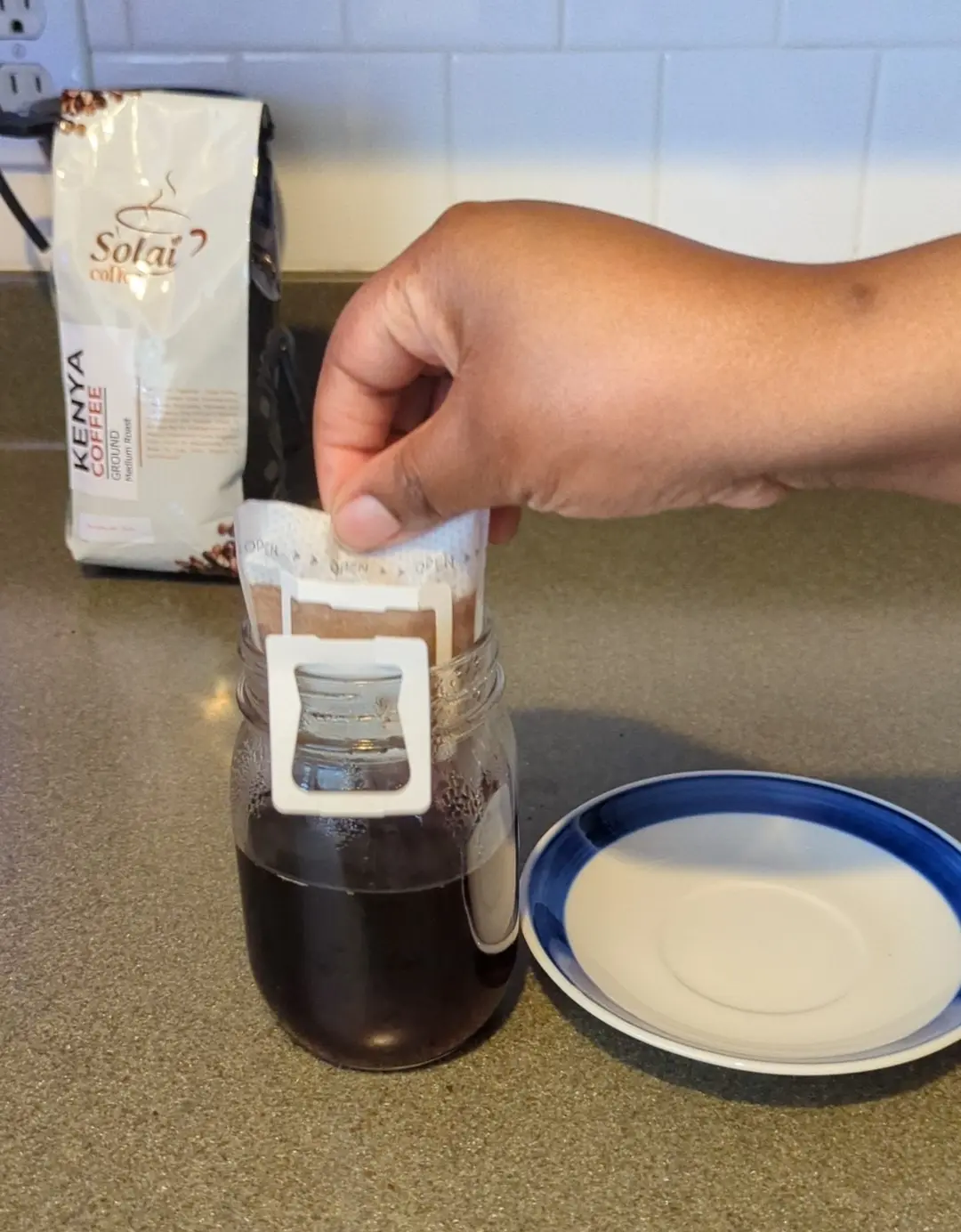
If you don't have a coffee maker, you can still brew an excellent cup of Kenyan coffee. All you need is clean, filtered water, roasted coffee (medium or coarse grind), a grinder (if using whole beans), and a single-serve dripper.
Steps:
· Start by heating water just below boiling (195–205°F).
· Place your single-serve drip in the mug
· Add ground coffee
· Pour in water slow, steady circles.
Tips for Brewing the Best Cup
- Always use filtered water to avoid off-flavors.
- Adjust grind size: too fine can cause bitterness, too coarse can cause under-extraction.
- Experiment with ratios to suit your preference, starting at 1:15.
- Store beans properly in airtight containers away from light and moisture.
- Lower brewing temperature slightly if you find sharp or tomato-like flavors.
With A Machine
The Pour-Over Method
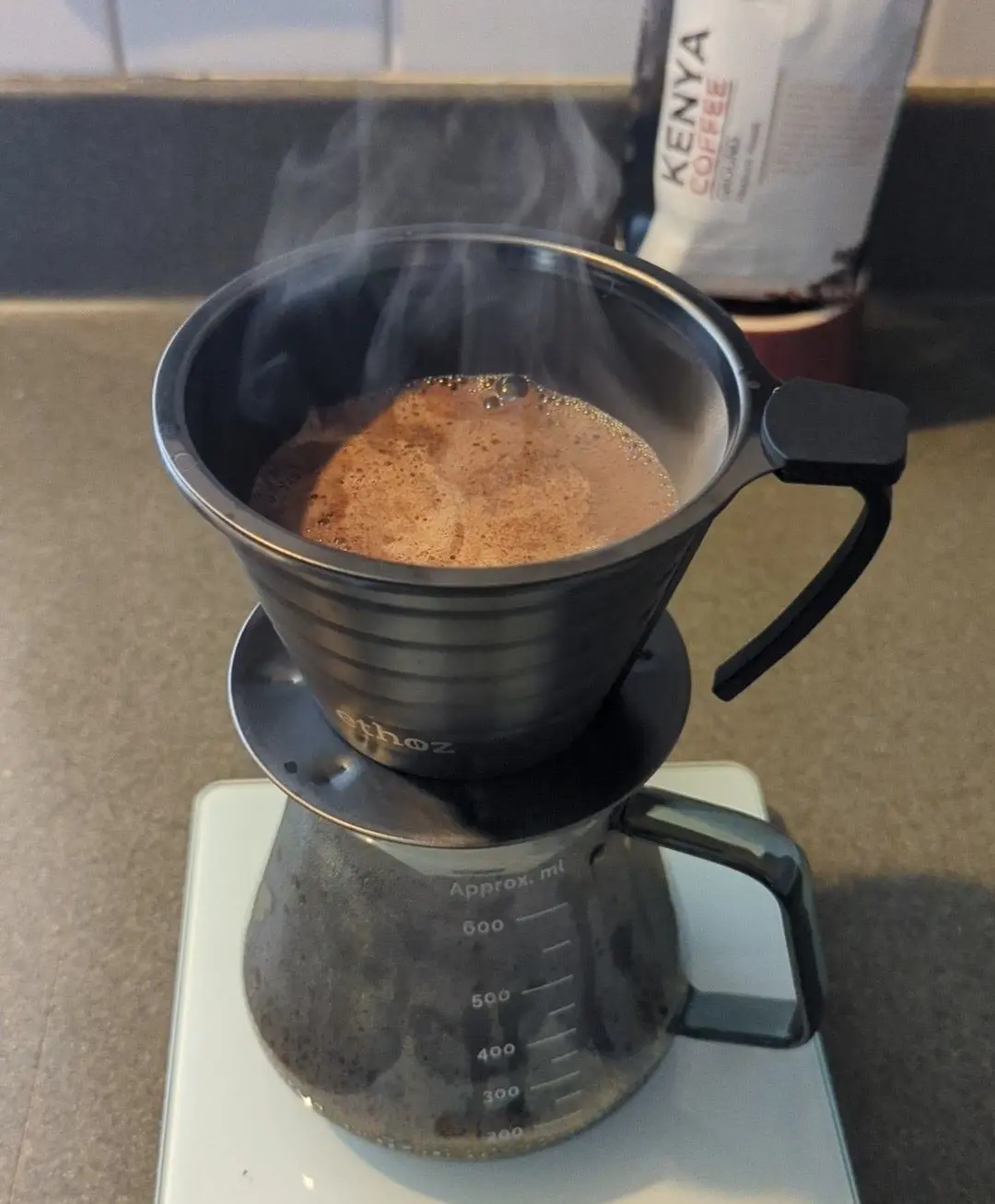
The pour-over method is one of the best ways to brew Kenyan coffee because it highlights its lively acidity and fruity undertones. Using a V60 dripper or Chemex with a medium to fine grind will produce a clean, crisp cup.
Steps:
· Grind 15 g of coffee medium-fine, similar to sea salt.
· Use 8 oz of water heated to 200°F.
· Pre-wet the filter to remove paper taste.
· Bloom coffee with twice its weight in water, wait 30 seconds.
· Pour the remaining water in circular motions.
· The result is a clean, vibrant cup bursting with citrus and berry notes.
Brew like a pro with the Solai Pour Over Kit—bringing out the best in Kenyan coffee right at home.
AeroPress
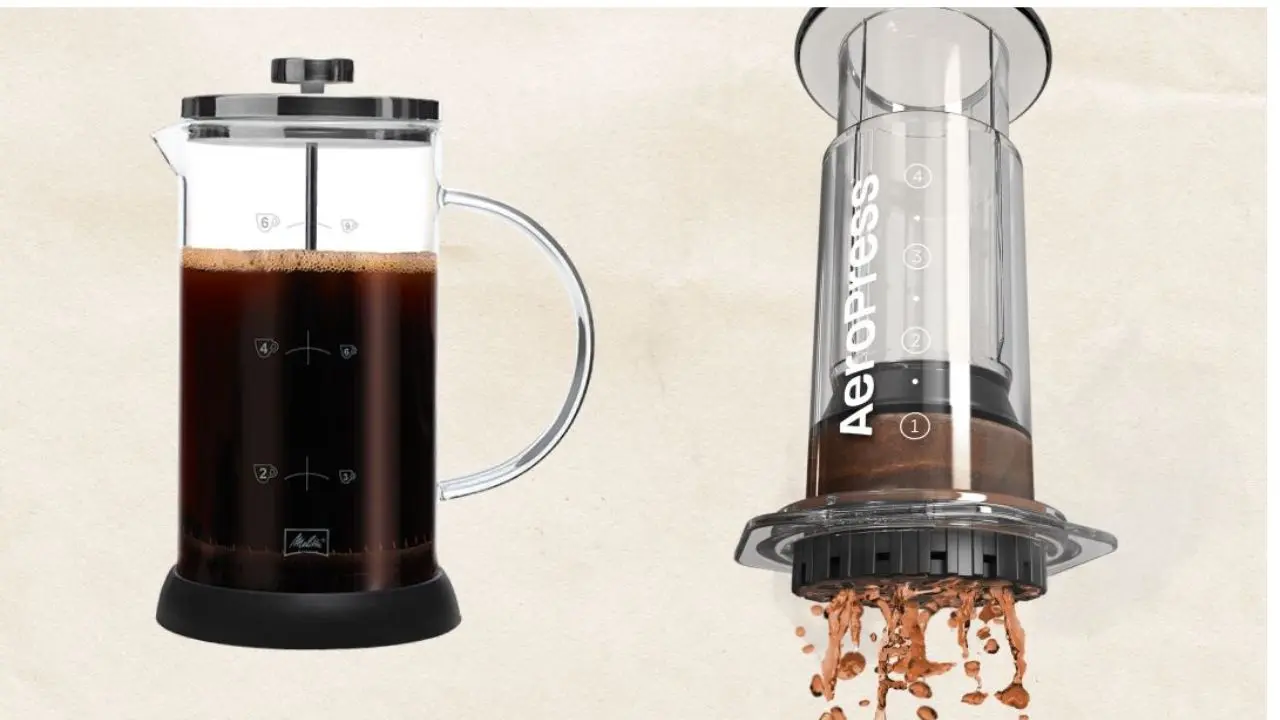
The AeroPress is a favorite for travelers and experimenters because of its flexibility.
Steps:
· Use 14 g of medium-fine ground coffee.
· Add 7 oz of water at 185–195°F.
· Stir and steep for 1 minute.
· Press slowly for 30 seconds.
Depending on the recipe, you can achieve espresso-like intensity or a lighter, tea-like cup.
You May Also Read: How Water Temperature Affects Coffee Brewing: French Press, Pour-Over & Espresso Tips
French Press
French press coffee method creates a heavier-bodied cup, emphasizing the rich, fruity depth of Kenyan beans.
Steps:
· Use a coarse grind, about 30 g of coffee for 16 oz of water.
· Heat water to 200°F and pour over the grounds.
· Stir, then place the plunger on top (without pressing), and steep for 4 minutes.
· Slowly press and serve immediately.
This method highlights wine-like acidity and bold sweetness.
Cold Brew and Iced Coffee
Cold brew offers a sweeter, less acidic version of Kenyan coffee, ideal for hot days.
Steps:
· Use a coarse grind.
· Combine ground coffee with cold water in a mason jar.
· Steep for 12–18 hours in the fridge.
· Strain and serve over ice.
For iced coffee, brew pour-over coffee at double strength and pour directly over ice.
Read More: Iced Coffee vs. Cold Brew
Keurig Machine
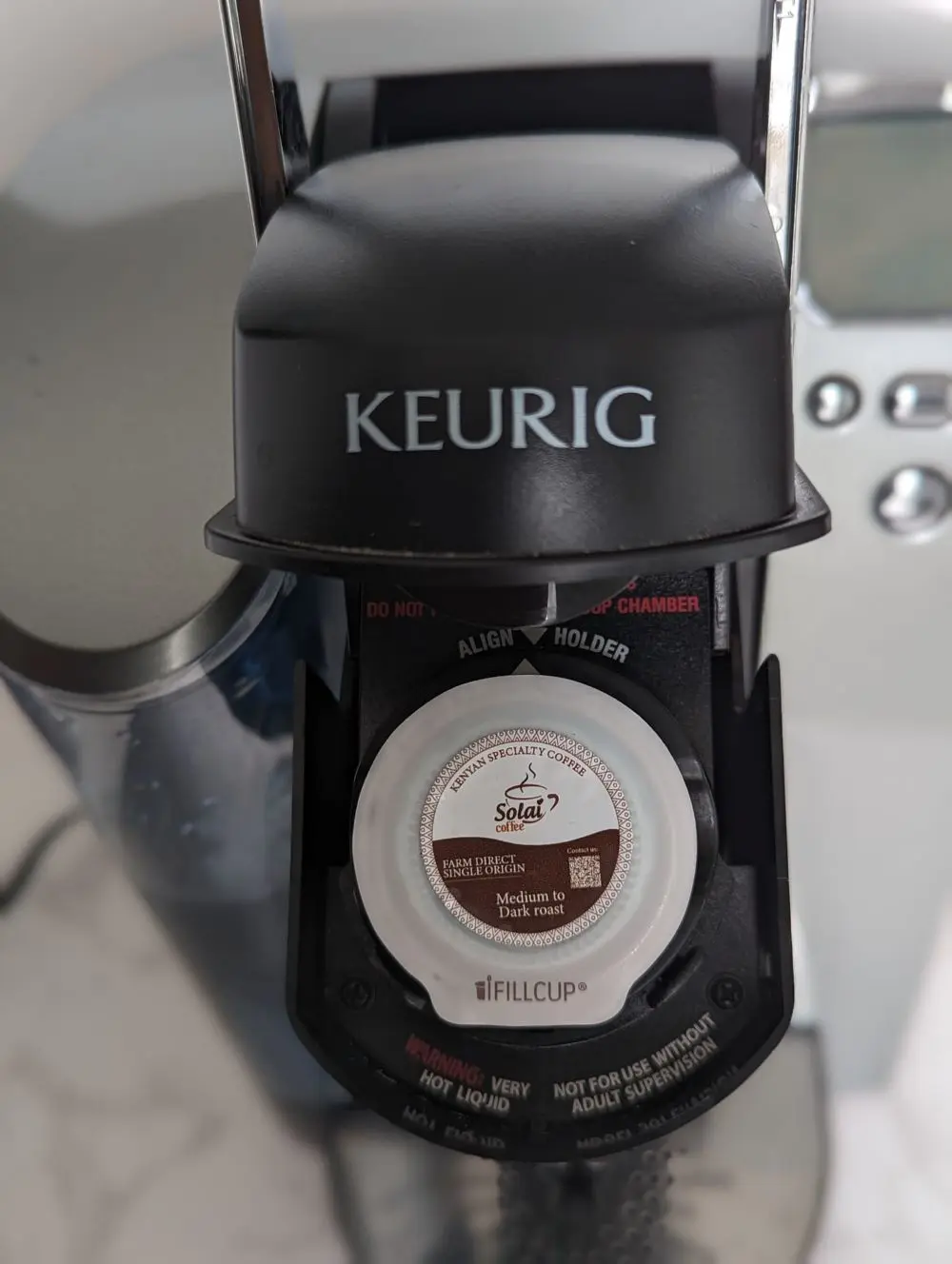
A Keurig or pod coffee machine makes brewing Kenyan coffee effortless in under a minute.
Steps:
For a stronger brew, choose the “strong” setting if your Keurig offers it, or use a smaller cup size.
Espresso
Espresso brewing highlights the flavor intensity, making it ideal for those who enjoy bold, fruit-forward flavors. Expect a concentrated, fruit-forward shot that pairs beautifully with milk drinks.
Tips:
· Use 18 g of finely ground coffee.
· Extract for 25–30 seconds.
· Aim for a 1:2 ratio (18 g in, 36 g out).
A Keurig machine, on the other hand, focuses on speed and convenience. It uses pre-packaged K-Cups to brew coffee in under a minute. While it doesn’t produce true espresso, it’s an easy way to enjoy Kenyan coffee at home.
To maximize flavor, choose these single-serve (K-cup) coffee pods for a fresher, richer brew.
Traditional Kenyan Coffee Recipes
Kenya also boasts its own traditional methods.
Kahawa Chungu
Kahawa Chungu is a strong, spiced coffee brewed with cardamom or ginger, often enjoyed in coastal communities.
How to brew Kahawa Chungu:
· Bring a pot of water to a boil.
· Add freshly ground coffee and a pinch of crushed cardamom or grated ginger.
· Let it simmer for a few minutes until the flavors infuse.
· Strain and serve hot—no sugar needed, as "chungu" means bitter in Swahili.
Kahawa Tamu
For those who prefer something smoother and sweeter, Kahawa Tamu is the go-to. Prepared the same way as Kahawa Chungu but without spices, add sugar to the brew while it boils, creating a comforting and balanced cup.

Final Sip
There is no single way to brew Kenyan coffee; the best method depends on your taste preference. Whether you enjoy the crisp clarity of pour-over, the richness of French press, or the refreshing smoothness of cold brew, the key is to highlight the natural brightness and complexity of Kenyan beans.
At Solai Coffee, we are proud to bring you farm-direct Kenyan coffee, roasted fresh and delivered to your door.
Explore our collection of single-origin coffee beans and brew your perfect cup with ease.
Share your thoughts on what you love most about Kenyan coffee and tell us your favorite brewing method.