
Summer 2026 calls for coffee that feels lighter, colder, and a little more interesting than the usual iced latte. Cloud coffee fits the moment. It looks elaborate in a glass, but the idea is simple: iced coconut water topped with espresso and a light layer of milk or cream foam. As the foam settles into the drink, it creates the soft, cloud-like swirls that give the recipe its name. The appeal is not only visual. Coconut water brings gentle sweetness, espresso adds structure and aroma, and the creamy top rounds out the contrast.
This guide explains exactly what cloud coffee is, how to make a coffee cloud that retains its texture, whether the drink fits into a balanced diet, and why coffee and coconut water work so well together.
What exactly is cloud coffee?
Cloud coffee is an iced drink made with coconut water, concentrated coffee, and a foamed milk or cream layer. Most recipes use espresso, though moka pot coffee or cold-brew concentrate can work when an espresso machine is unavailable.
There is no single official formula. Some people froth the espresso and milk together, while others float cold foam over the coconut water before adding espresso.
The drink borrows from two earlier coffee trends. A coconut water Americano combines espresso with iced coconut water. Dalgona coffee uses whipped instant coffee, sugar, and hot water over milk. Cloud coffee sits between them, pairing coconut water with a lighter espresso-based foam. Food & Wine’s overview also notes that recipes vary. Still, espresso, coconut water, and milk or creamer form the usual base.
What’s in a cloud coffee?
A basic cloud coffee contains five components:
Unsweetened coconut water: This replaces the plain water used in an iced Americano and contributes mild sweetness.
Ice: Plenty of ice keeps the layers cold and slows how quickly the foam blends into the base.
Espresso or concentrated coffee: A double espresso provides enough intensity to remain distinct when paired with coconut water and milk.
Milk, cream, or a plant-based alternative: Frothing this with the espresso creates the coffee cloud. Whole milk and barista-style oat milk are dependable options.
Optional sweetener: A small amount of maple syrup, vanilla syrup, or simple syrup can soften the espresso, but many coconut waters are sweet enough without it.
Choose 100% coconut water without added flavors or sweeteners if you want the coffee and coconut to remain clear and balanced.
How to make cloud coffee at home
This recipe makes 1 8- to 10-fl-oz serving.
Ingredients
- Ice to fill one tall glass
- 5 fl oz (150 ml) chilled, unsweetened coconut water
- 1 double espresso, about 1.25 to 1.5 fl oz (36 to 45 g)
- 2 tablespoons (30 ml) cold whole milk or barista-style oat milk
- 1 teaspoon maple syrup, vanilla syrup, or simple syrup, optional
- The Valley Bloom coffee, medium to dark ground for espresso
Method
- Chill the base. Fill a glass with ice and pour in the coconut water. Leave enough room for the espresso foam.
- Brew the espresso. Prepare a double shot using The Valley Bloom. A medium or medium-to-dark roast will give the drink a fuller caramel and chocolate foundation.
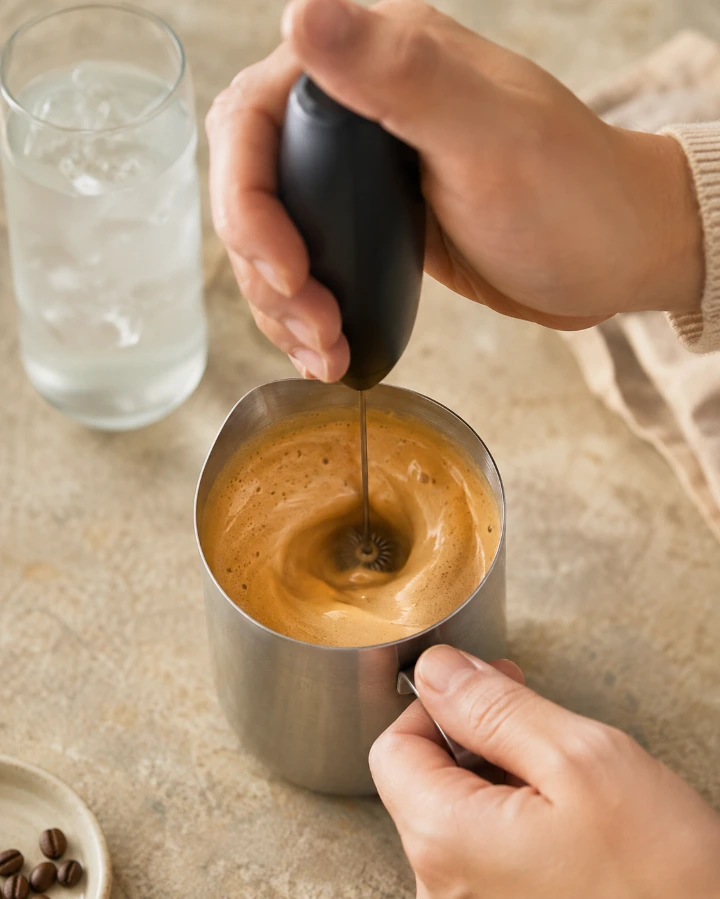
- Make the coffee cloud. Pour the espresso and cold milk into a cup or a small pitcher, leaving enough extra space for the mixture to expand. Add sweetener if using. Froth for 15 to 30 seconds, until the mixture looks airy and has increased in volume.
- Build the drink. Slowly pour or spoon the foamed espresso over the iced coconut water. Pouring over the back of a spoon can help preserve a more distinct top layer.
- Serve immediately. Let the cloud drift into the coconut water, then stir before drinking if you prefer an even flavor from top to bottom.
How to make a coffee cloud without an espresso machine
Use 2 fl oz (60 ml) of strong moka pot coffee or cold brew concentrate in place of the double espresso. Add the coffee and milk to a clean jar, close it tightly, and shake until a layer of foam develops. Pour the mixture over iced coconut water.
Regular drip coffee is usually too dilute for this recipe. If it is your only option, brew it at a stronger ratio and cool it before frothing so the finished drink does not become watery.
The Valley Bloom, Solai Coffee’s Kenya Farmers Blend, combines AA|AB, PB, and C beans from Kenya’s Rift Valley. The blend produces a rich, balanced cup with citrus, caramel, and chocolate notes. In cloud coffee, the citrus lifts the coconut water, while caramel and chocolate keep the drink grounded as the milk foam blends in. It can also be prepared as cold brew concentrate if you do not have espresso equipment. Solai Coffee’s guide to cold brew and iced coffee explains how cold extraction emphasizes the blend’s caramel sweetness and chocolate notes.
Read this guide to Kenya coffee grading for more context on how size, shape, defects, and cup quality are evaluated.
Is cloud coffee good for you?

Cloud coffee can be a reasonable drink for many adults, but it is not automatically healthier than other coffee drinks. Its nutritional profile depends on the coconut water, serving size, milk or cream, sweetener, and amount of espresso you use.
Coconut water contains naturally occurring sugar and minerals, including potassium. The exact amounts vary by product, so the nutrition label is more useful than a broad health claim. USDA Food Data Central provides composition data for coconut water. At the same time, the National Kidney Foundation recommends choosing 100% natural, unflavored coconut water to avoid extra calories from added sugar.
The espresso contributes caffeine. The U.S. Food and Drug Administration says that, for most adults, 400 milligrams of caffeine per day is an amount not generally associated with negative effects. Sensitivity varies, and caffeine content changes with the coffee, dose, and brewing method.
It is also inaccurate to assume that a moderate serving of coffee will cancel out the fluid in the drink. In one controlled study of habitual male coffee drinkers, moderate coffee consumption did not produce evidence of dehydration compared with water.
For a lighter cloud coffee, use unsweetened coconut water, skip the syrup, and choose a modest amount of milk. People who need to restrict potassium intake, including some with kidney disease, should ask their clinician or dietitian whether coconut water fits their individual plan.
Is coffee and coconut water good together?
Yes, coffee and coconut water can work very well together when the coffee is concentrated, and the coconut water is not heavily sweetened. Coconut water softens espressos' bitterness, while coffee prevents the drink from tasting flat or sugary. The combination is lighter than a latte and rounder than an iced Americano.
The best result comes from balance. Start with about three to four parts coconut water to one part espresso. If the coconut dominates, add a little more espresso. If the drink tastes sharp, increase the milk slightly rather than reaching immediately for syrup.
Coffee choice matters too. A blend with caramel, chocolate, and bright citrus creates a more complete flavor bridge than an extremely light or highly fermented coffee might. That is why The Valley Bloom is a practical match for the recipe.
Cloud coffee FAQ
No. Dalgona coffee is made by whipping instant coffee, sugar, and hot water into a thick foam that is usually served over milk. The current cloud coffee trend uses espresso or concentrated coffee, coconut water, and a lighter milk or cream foam.
Yes. Use cold brew concentrate rather than ready-to-drink cold brew. The concentrate needs sufficient strength to withstand coconut water, ice, and milk.
Yes. Barista-style oat milk usually produces a reliable foam. Almond milk or a small amount of coconut cream can also work, although the foam texture and coconut intensity will change.
Usually not. Coconut water tastes lighter than coconut milk. The espresso remains noticeable, especially when you use a concentrated double shot and a balanced coffee.
Can I prepare cloud coffee in advance?
You can chill the coconut water and prepare cold brew concentrate in advance, but make the foam just before serving. The cloud naturally loses volume as it sits.
You can chill the coconut water and prepare cold brew concentrate in advance, but make the foam just before serving. The cloud naturally loses volume as it sits.
Cloud coffee earns its name from the look of the drink, but its staying power comes from contrast. Coconut water makes the base crisp and lightly sweet. Espresso adds aroma and depth. A small amount of foam ties the two together. Start with the simple recipe, taste before adding syrup, and adjust the ratio to suit your coconut water and preferred roast.
Ready to make it? Brew your cloud coffee with The Valley Bloom for a balanced mix of citrus, caramel, and chocolate.
The Valley Bloom sustains the farming communities of Solai. Your purchase directly funds the farmers who grow every bean in this blend.