
Coffee has always been more than a morning ritual. For many people, it is the first step toward a productive day. Protein, on the other hand, plays a distinct role by supporting muscle repair, helping you feel full, and contributing to overall health. It was only a matter of time before the two came together.
Protein coffee, often called "proffee," has become one of the fastest-growing coffee trends among fitness enthusiasts, busy professionals, and anyone looking for a simple way to add more protein to their day. Unlike many social media trends, this one has practical benefits when made correctly.
The good news is that making protein coffee at home takes only a few minutes and requires just a handful of ingredients. The key is choosing a coffee you already enjoy and pairing it with a protein that blends smoothly without overpowering the coffee itself.
We recommend using Solai Coffee Valley Bloom, an excellent match for vanilla protein powder, creating a creamy drink that still tastes like great coffee.
Can You Mix Protein with Coffee?
Yes. Protein mixes well with coffee, especially when you're using cold brew or iced coffee.
Many people assume adding protein powder will create a chalky drink or ruin the flavor, but that usually comes down to the type of protein and how it's mixed. Using a shaker bottle or blender helps dissolve the powder completely, creating a smooth texture without clumps.
Cold brew is particularly well-suited for protein coffee because its naturally lower acidity and sweeter flavor balance the protein powder much better than hot-brewed coffee. It creates a drink that tastes closer to a lightly sweetened latte than a protein shake.
If you prefer hot coffee, protein can still be added, but it should be mixed carefully. Extremely hot liquids can cause some protein powders to clump, so it's often better to let the coffee cool slightly before blending.
Is Protein Coffee Actually Good for You?
Protein coffee can be a nutritious choice when it complements a balanced diet rather than replacing regular meals.
Coffee naturally contains antioxidants that have been associated with improved cognitive performance, alertness, and physical endurance. Protein supports muscle maintenance, recovery after exercise, and helps promote fullness throughout the day.
Combining the two creates a beverage that can work well in several situations:
- Before a workout, for energy and protein.
- After exercise, when you want both hydration and recovery nutrition.
- As part of a quick breakfast on busy mornings.
- As an afternoon pick-me-up that provides more staying power than coffee alone.
That said, protein coffee is not a magic health drink. The nutritional value depends entirely on what goes into it. Drinks loaded with syrups, whipped cream, and excess sugar can quickly become high-calorie desserts.
Making a great proffee starts with three simple ingredients: quality coffee, a reliable protein powder, and unsweetened or lightly sweetened milk.
What Is the Best Protein to Put in Coffee?
Not every protein powder performs equally well in coffee.
A good protein should dissolve easily, have a clean flavor, and avoid leaving a gritty texture. Whey isolate is one of the most popular options because it mixes smoothly and delivers a high amount of protein with relatively few carbohydrates and fats.
For this recipe, vanilla Isopure Protein Powder works particularly well. It has a light vanilla flavor that compliments coffee without masking its natural notes. Since it is a whey isolate, it also blends more smoothly than many thicker protein powders.
If you follow a plant-based diet, several pea and soy protein blends are available and work well, though they may produce a slightly thicker texture.
Regardless of which protein you choose, avoid products with an overwhelming artificial sweetness. The goal is to enhance the coffee, not cover it up.
Why Cold Brew Works Better
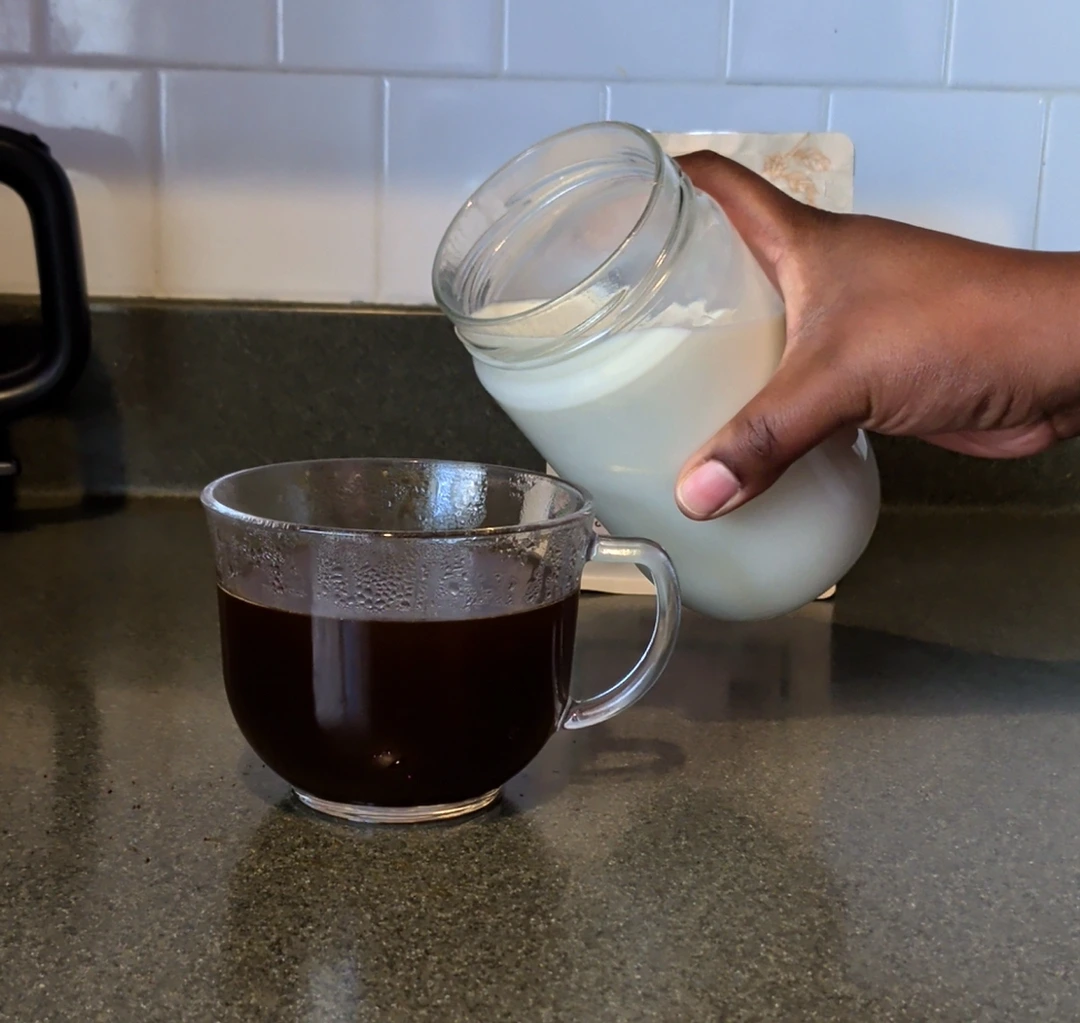
Cold brew naturally produces a smoother cup because it is extracted slowly in cold water rather than hot water.
This slower extraction reduces bitterness while bringing out chocolate, caramel, and naturally sweet flavors. Those characteristics pair especially well with vanilla protein powder and oat milk.
A quality cold brew also provides enough coffee flavor to remain noticeable after adding milk and protein. Instead of tasting like a diluted shake, you still enjoy the complexity of the coffee.
Try this Cold Brew Coffee recipe for a clean, balanced foundation with enough body to stand up to the protein without becoming bitter or overpowering.
How to Make Protein Coffee at Home
This simple recipe takes only two minutes and produces a creamy, refreshing drink with approximately 27 grams of protein.
Protein Coffee Recipe
Servings: 1 Prep Time: 2 minutes
Ingredients
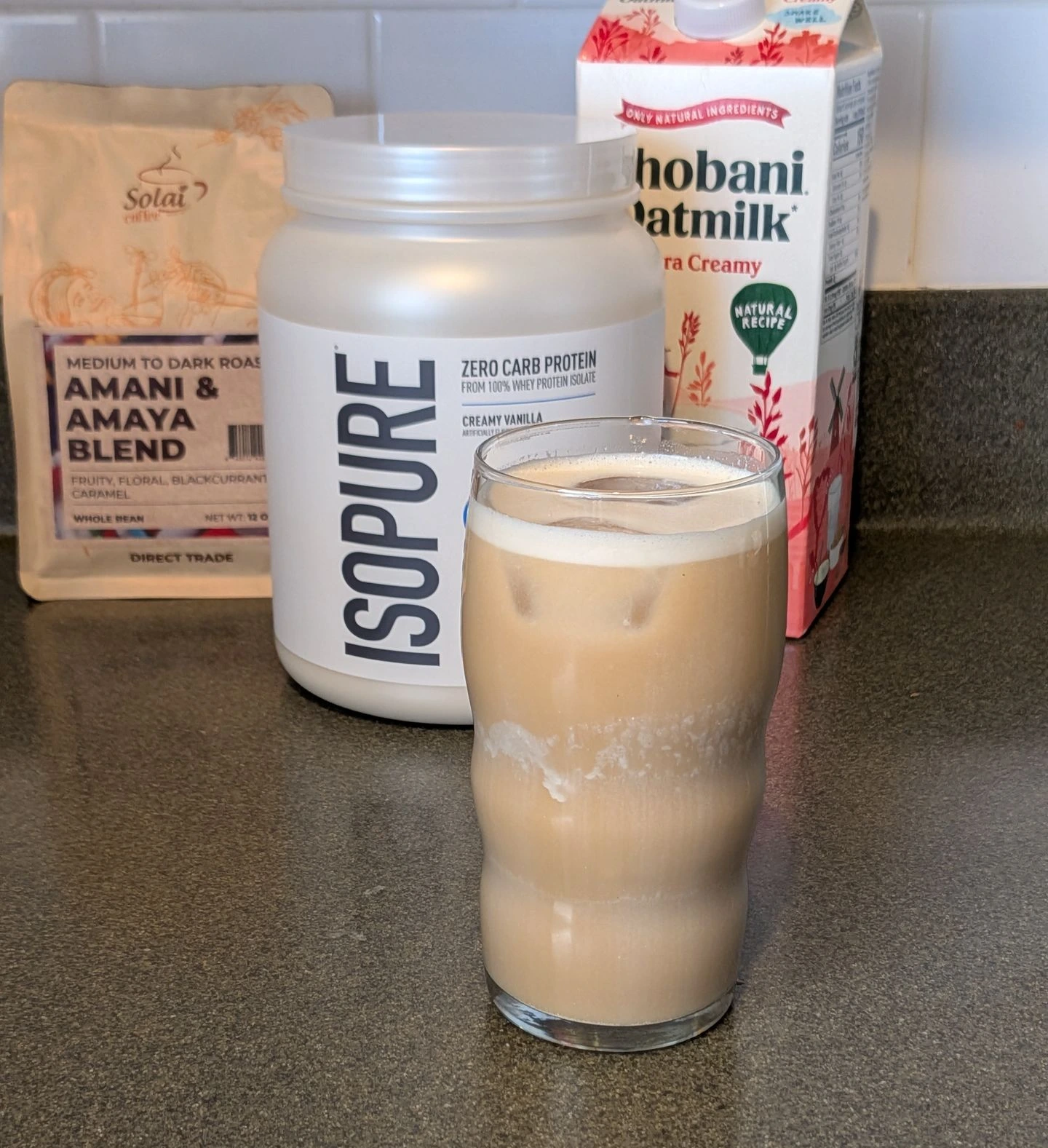
- 1 scoop vanilla Isopure protein powder
- ½ cup Chobani Oat Milk
- 8 to 12 oz Solai cold brew coffee
- Pinch of salt
- Ice (optional)
Instructions
- Add protein powder, oat milk, and a pinch of salt.
- Shake or blend until smooth.
- Pour in the cold-brew coffee
- Add ice and enjoy.
Estimated Nutrition (1 Serving)
Calories ~170 kcal
Protein ~27 g
Carbohydrates ~10 g
Fat ~2.5 g
Fiber ~1 g
Sugar ~7 g
Small Details That Make a Big Difference
A pinch of salt may seem unusual, but it serves an important purpose. Salt softens bitterness and helps highlight the natural sweetness already present in both the coffee and the vanilla protein.
Read more about adding salt to coffee.
Using a shaker bottle instead of stirring with a spoon also creates a noticeably smoother drink. Protein powders dissolve much more completely when shaken or blended, preventing unwanted clumps.
If you like a stronger coffee flavor, increase the amount of cold brew rather than adding extra protein powder. This maintains a consistent nutritional balance while allowing you to customize the strength.
Should You Drink Protein Coffee Every Day?
For most healthy adults, enjoying protein coffee daily can fit comfortably into a balanced lifestyle.
The most important considerations are your total daily caffeine intake and your overall protein needs. If you're already meeting your protein goals through whole foods, protein coffee can be an enjoyable alternative to a regular latte. If you're trying to increase protein intake, it offers a convenient way to do so without preparing a separate snack.
Like any coffee beverage, moderation matters. Keeping your total caffeine intake within recommended limits and choosing quality ingredients will help you enjoy the benefits without unnecessary added sugars or calories.
Protein coffee succeeds because it combines two everyday staples into one satisfying drink. It delivers the familiar comfort of coffee while adding meaningful nutrition to support energy, recovery, and a sense of fullness throughout the morning.
This summer, try smooth Solai Coffee Amani & Amaya or Farmer's Blend Valley Bloom, vanilla Isopure protein powder, Chobani oat milk, and just a pinch of salt to prepare café-quality protein coffee in minutes. It is refreshing, easy to make, and proof that functional beverages do not have to sacrifice great coffee flavor.