
Better coffee is everywhere.
In 2026, it is easier than ever to find coffee described as specialty, ethical, transparent, or sustainably sourced. Packaging tells stories of origin. Brands speak confidently about relationships and impact. Consumers are encouraged to choose better, and many are trying to do precisely that.
But beneath this progress sits a quieter, more complicated question:
Who actually pays for better coffee?
As the specialty coffee industry grows, quality now means more than taste. It includes sourcing practices, producers relationships, environmental care, and long-term sustainability. These values are important, but they also bring real costs that coffee drinkers may not always see.
Quality Is Not Free; It Gets Redistributed
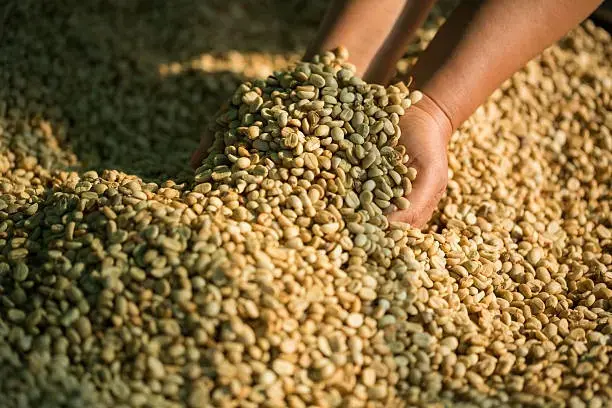
Selective harvesting, careful fermentation, proper drying, and quality control all raise production costs. On top of that, climate change, higher input prices, and labor shortages make producing specialty coffee more expensive than ever.
Higher-quality coffee may command higher prices, but the question is where that value actually lands.
Does it reach farmers consistently?
Does it protect the farmer when harvests fail?
Or does most of the cost get absorbed at origin while value accumulates elsewhere in the supply chain?
Better coffee only works when the systems behind it are fair. Too often, they are not.
You may also like: Coffee & Climate Change: How Climate Change Affects Coffee Production
The Pressure to Deliver Quality Without Stability
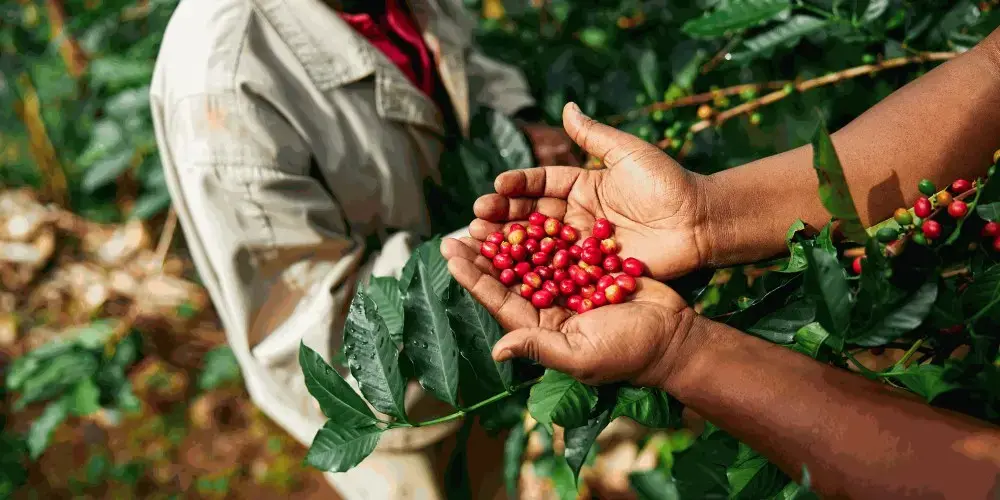
One of the least-discussed issues in specialty coffee is the pressure on farmers to improve quality without guaranteed stability.
Farmers are urged to invest in better practices, new processing methods, and higher standards. These improvements require upfront cost and long-term commitment. Yet pricing is still frequently influenced by volatile markets, short-term contracts, or inconsistent buying behavior.
Today, many producers make excellent coffee but face more pressure and carry most of the risk themselves. In these cases, quality can feel like a burden instead of a shared achievement.
When coffee is praised, but farmers remain financially vulnerable, the system is misaligned.
When “Paying More” Doesn’t Tell the Whole Story
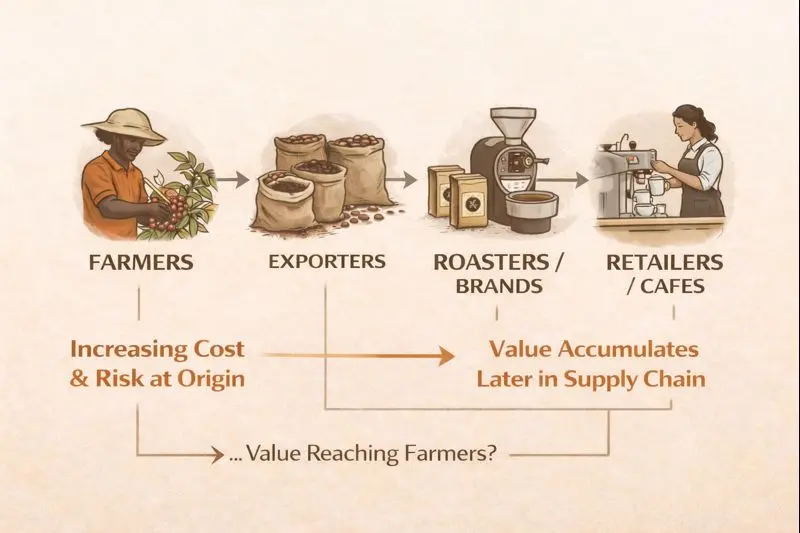
From the consumer side, higher prices are often framed as evidence of ethical or responsible sourcing. But price alone does not explain how value is distributed.
A more expensive bag of coffee does not automatically mean farmers were paid fairly. Without transparency, consumers cannot see:
- How pricing was structured
- Whether premiums were consistent or one-off
- How much risk producers carried year to year
The gap between what consumers assume higher prices represent and what they actually support remains wide.
This is where education and honesty matter most. The goal is not to stop people from making better choices, but to keep those choices realistic.
You may also like: Coffee Prices Rising: Real Causes behind Your Expensive Cup
Transparency Has Limits, and That Matters
Transparency is one of the defining values of modern specialty coffee. But transparency is not the same as completeness.
Brands may share origin names, processing methods, or relationship narratives while leaving out harder truths: unstable pricing, crop loss, or the limits of what even the best sourcing models can solve.
This does not mean transparency has no value. Instead, it means that being only partly transparent can be risky.
Consumers are increasingly able to understand nuance. They do not need perfection. They need honesty about trade-offs, constraints, and long-term goals.
Read More: Exploring the Coffee Supply Chain
Explore coffee sourced with intention
At Solai Coffee, we work directly with small-scale farmers through long-term relationships that prioritize transparency, quality, and economic justice.
Explore our single origin coffee beans
The Role of Long-Term Relationships
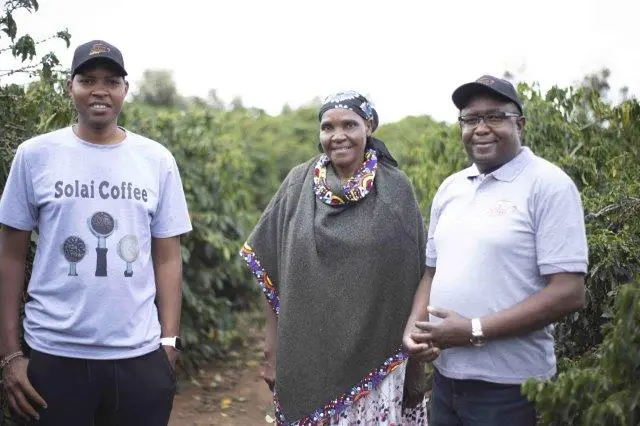
One of the most meaningful ways to redistribute the cost of quality is through long-term sourcing relationships.
For Solai Coffee, this approach is rooted in the belief that the distance between coffee production and consumption has contributed to serious economic imbalances.
As founder, Peter Kuria has often shared,
“Solai exists to reduce the gap between the production and consumption sides of coffee—a gap that has historically left small-scale farmers with minimal returns despite their labor and expertise”.
In an industry with complex supply chains, long-term relationships offer a different approach. By working with the same coffee communities season after season, sourcing becomes less about transactions and more about accountability. Prices can better match quality and effort, and farmers get the stability they need to plan for the future.
Long-term relationships allow:
- Better planning at origin
- Reduced exposure to market shocks
- Investment in soil health and processing
- Shared accountability for outcomes
Related reads: Four Major Social and Ethical Issues in Coffee Production
What this means for consumers today
For everyday coffee drinkers, choosing better coffee means taking part in a system. Every purchase shows which system is worth supporting.
It means looking past surface claims and asking deeper questions:
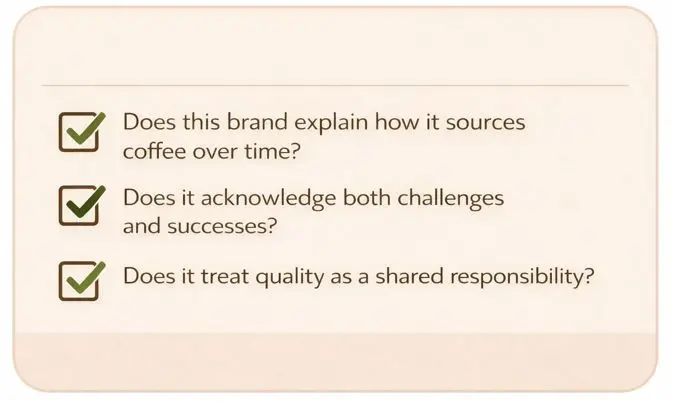
The goal is not to find a perfect choice. It is to support brands that are honest about what it takes to make good coffee.
Better Coffee Requires Better Conversations
The specialty coffee industry has made real progress. Origin matters. Quality matters. Relationships matter.
In 2026, the next step is having better conversations that address cost, risk, and responsibility and that respect farmers by telling the whole story.
Better coffee is possible.
But it is only sustainable when the cost of quality is shared, not hidden.
Support coffee systems that share the cost of quality.
Explore Solai Coffee’s single origin beans, sourced directly from partner farms and crafted with care from origin to cup.