
Your first sip sends you into confusion; is it bliss or just meh? You wonder for a moment: is it the coffee maker, or maybe your taste buds aren't awake yet? You shrug it off. The next morning, same beans, same coffee maker, same mug. Suddenly, the cup bursts with rich aroma and flavor. That's when it hits you: it wasn't the beans, it was the way you brewed them.
Brewing coffee may seem simple, but a few easy-to-miss errors can turn your morning cup from satisfying to disappointing. The good news? Each error has a quick fix.
Key Takeaways
Coffee freshness and grind size make or break your flavor.
Water quality, temperature, and ratio shape extraction.
Brewing technique keeps your cup consistent.
Coffee Mistakes
Brewing with Stale Coffee
Coffee is at its best within a few weeks of roasting. If beans sit in your pantry for months, don't expect magic. Stale coffee tastes flat because it loses its aromatic oils over time.
How to fix it:
- Buy in smaller batches to keep it fresh.
- Store beans in an airtight container, away from heat, light, and moisture.
- Avoid storing coffee in the fridge, where it absorbs odors.
Never settle for stale beans. Keep your mornings fresh with a Solai Coffee Subscription—farm-direct, freshly roasted, and delivered right to your door.
Grinding Coffee Beans Incorrectly
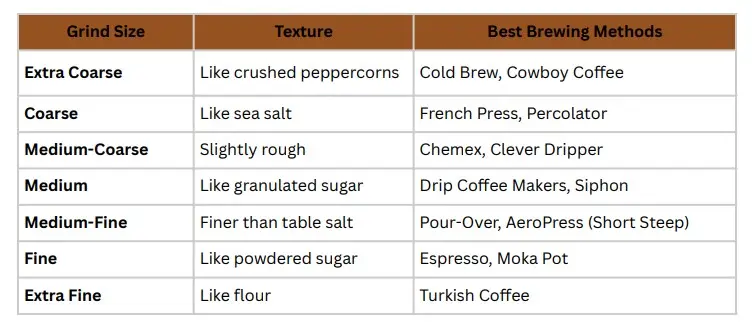
A common mistake coffee lovers make is investing in an expensive maker while neglecting the quality of the grinder. Grind size matters more than you think: too fine causes bitter over-extraction, too coarse leads to weak, sour coffee.
How to Fix It:
- Follow the right grind size for each brew method
- Invest in a quality burr grinder—it grinds beans evenly and gives you better control.
- Always match your grind to your brewing method to get the best flavor.
Read more: Burr and Blade grinders here.
Wrong Coffee-to-Water Ratio
One of the biggest mistakes is not balancing coffee and water. Too much coffee can make your brew taste bitter and harsh. Too little and you get a flat, watery cup.
How to fix it:
- Use a scale instead of guessing with spoons.
- A good rule of thumb for most pour-overs or drip brews is a 1:16 to 1:18 ratio (1 gram of coffee for every 16–18 grams of water).
- Adjust the amount slightly to suit your preference for stronger or lighter coffee.
Water Mistakes
Ignoring Water Quality
Water makes up 98% of your brew. Bad water equals bad coffee. Unfiltered water that is heavily chlorinated or contains high levels of minerals can affect the flavor.
Read more: Why Water Quality Matters in Coffee Brewing
How to fix it:
- Use filtered water whenever possible.
- Avoid over-mineralized or soft water for balanced extraction.
Wrong water temperature
Water temperature makes or breaks your brew. Boiling water scorches coffee, while cold water under-extracts it.
How to fix it:
- Ideal range: 197°F to 205°F (90°C to 96°C).
- No thermometer? Let boiling water rest 30 seconds before pouring.
Brewing Technique Mistakes
Skipping the Pre-Wet Step
For methods like pour-over, skipping the step of rinsing the filter is a mistake. A dry paper filter can impart a papery taste to your coffee.
How to fix it:
- Rinse the filter with hot water before adding coffee grounds.
- Bonus: it warms your brewer for a more stable brewing temperature.
Forgetting to Bloom Coffee Grounds
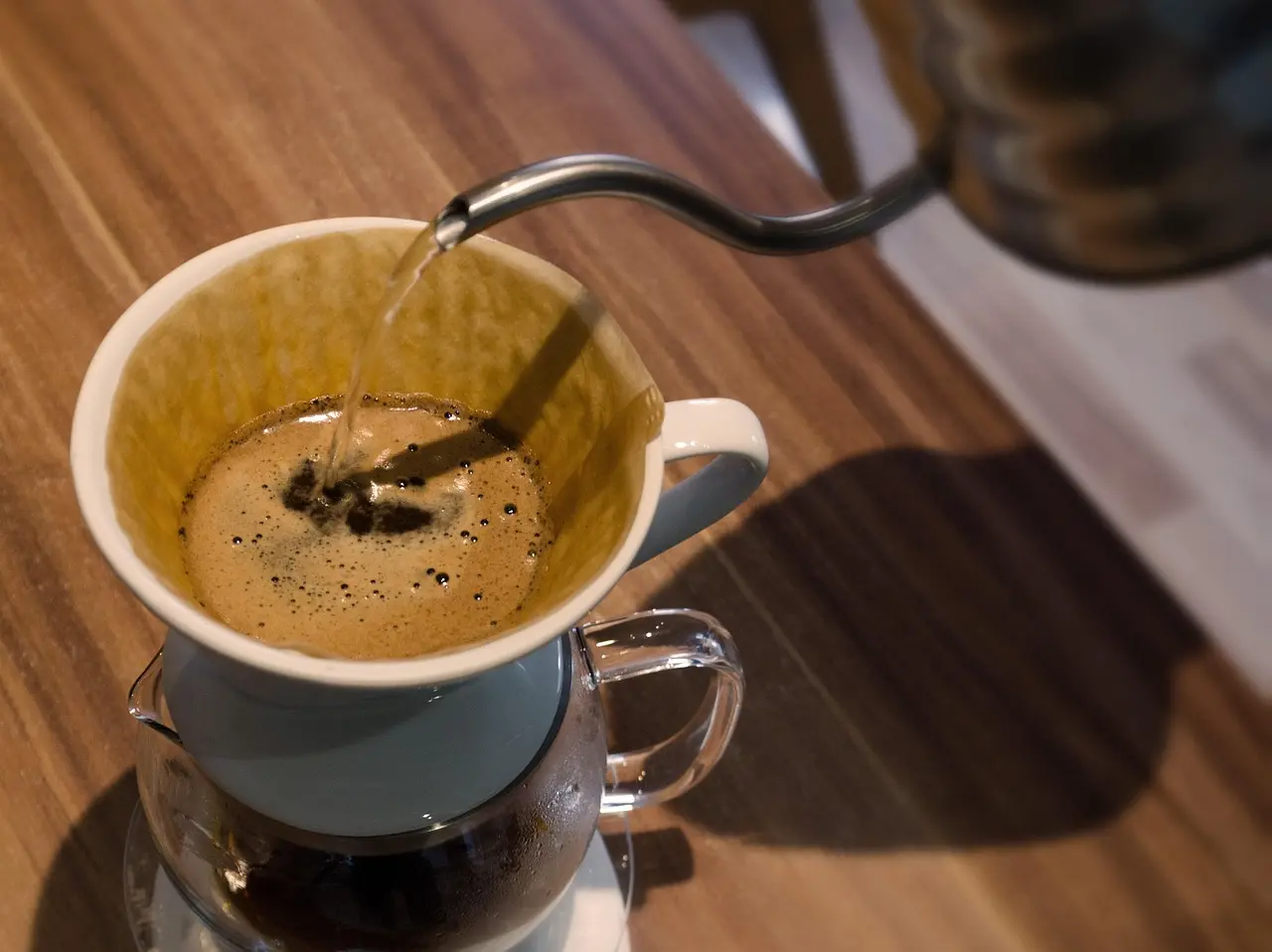
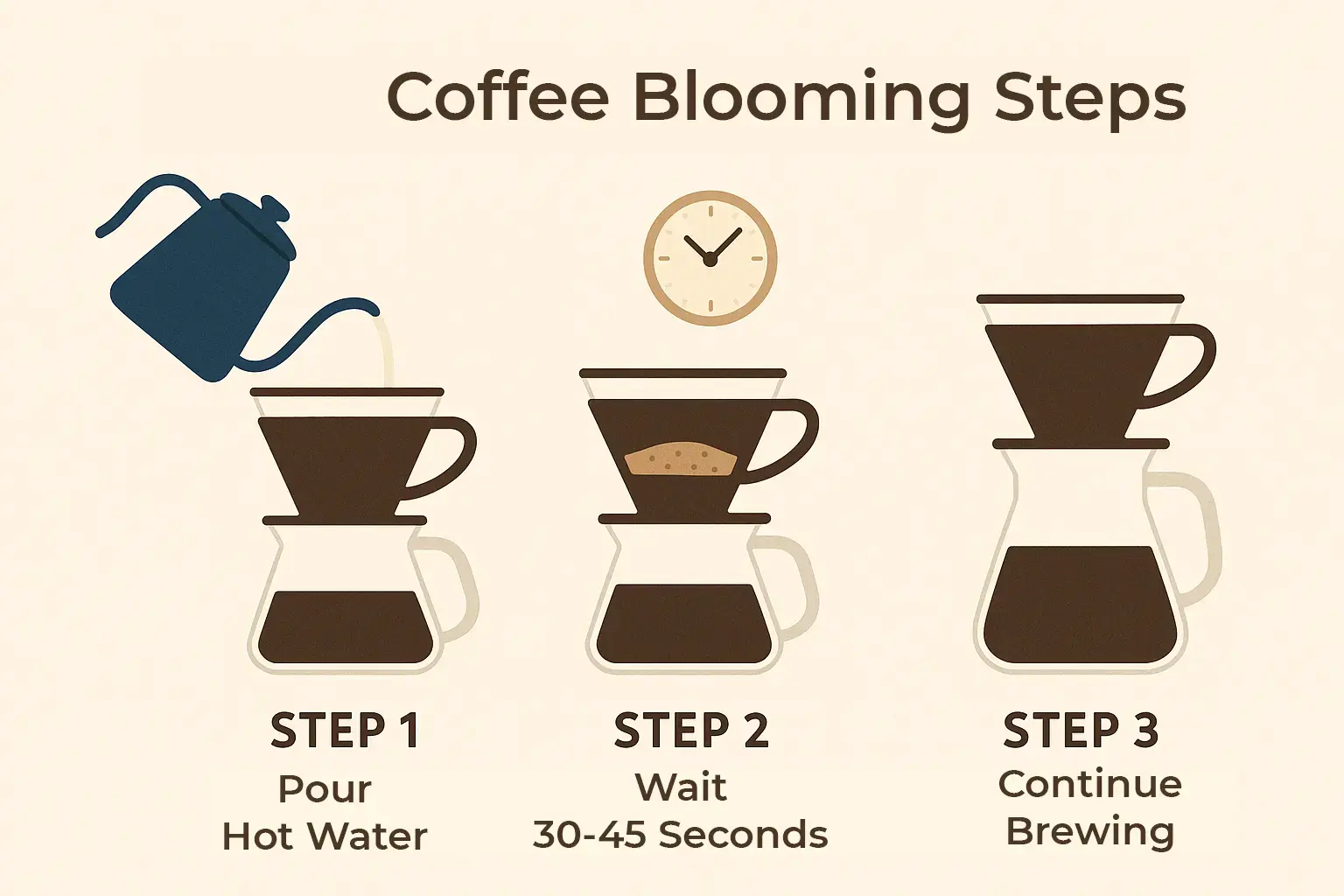
Fresh coffee releases gas (mainly CO₂) when hot water first hits it. If you skip the bloom, the gas escapes later, resulting in uneven extraction and a flat flavor.
How to fix it:
- Pour a small amount of hot water over your grounds.
- Let it sit for 30–45 seconds before continuing to brew.
Brewing Too Fast or Too Slow
Brew time directly affects extraction. Rush it, and your coffee is weak. Drag it out, and your coffee is bitter.
How to fix it:
- Espresso: 25–30 seconds
- Pour Over: 3–4 minutes
- French Press: 4- 6 minutes
- Adjust grind size and pour speed to hit the right time.
Not Cleaning Your Coffee Maker
Coffee makers build up oils and residue over time. Neglecting to clean leads to bitter flavors, regardless of how good your beans are.
How to fix it:
- Rinse parts daily after brewing.
- Deep clean every week using a vinegar-water solution (1:2 ratio).
- Don't forget to scrub grinders too—old grounds affect taste.
Bottom Line
Great coffee isn't complicated—it's about the small details. Fresh beans, the right grind size, good water, and clean equipment add up to a cup that delights instead of disappoints.
So the next time your coffee feels "meh," don't blame the beans just yet. Check your process. Chances are, one of these common coffee brewing mistakes is the culprit—and now you know exactly how to fix it.
Brew better with Solai Coffee. Shop fresh, ethically sourced beans today and taste the difference.