
The Overlooked Backbone of Coffee Production
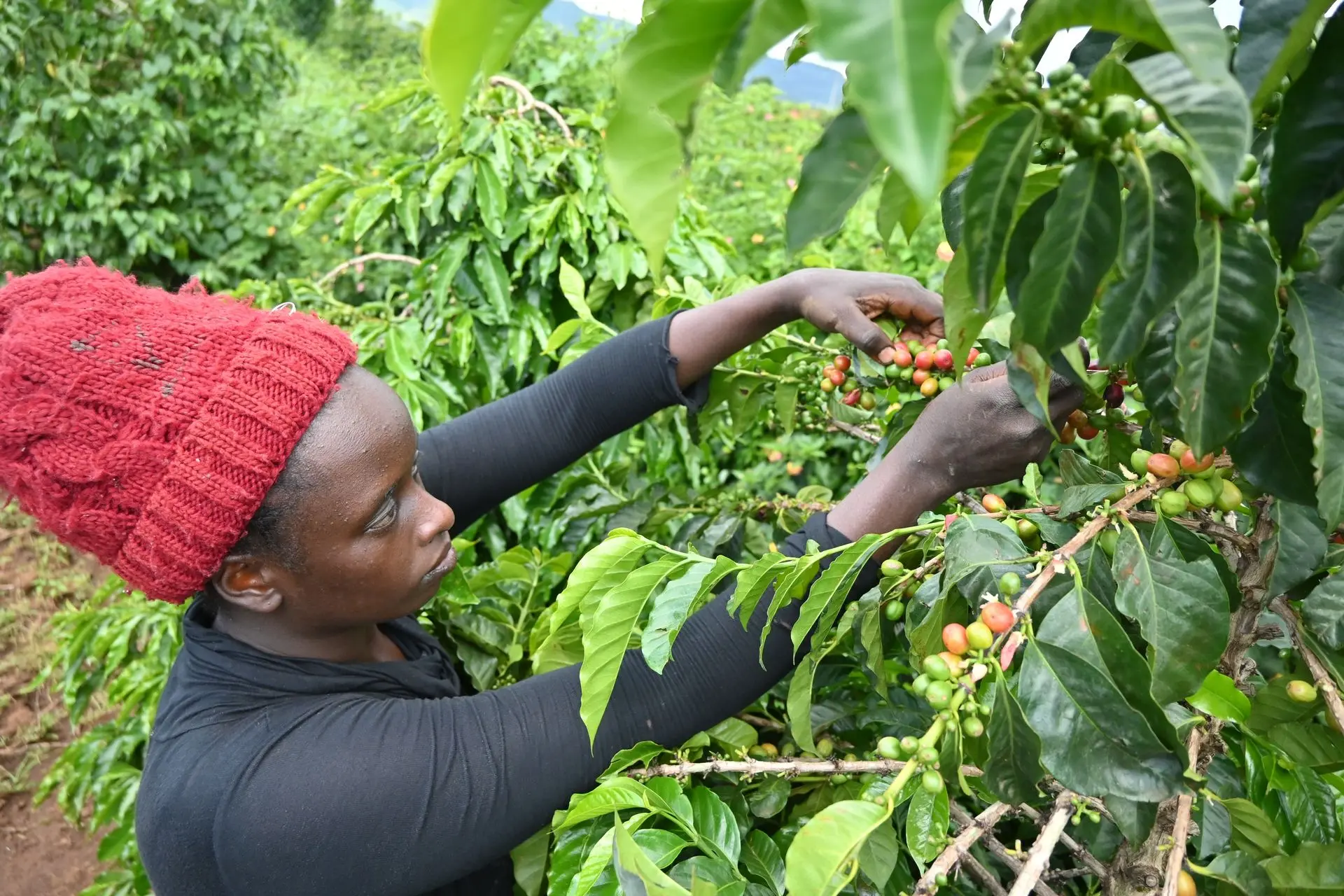
Coffee wouldn’t exist without women. Across the world, they make up an estimated 60–70% of on-farm labor—planting seedlings, tending the fields, handpicking cherries, and sorting beans to perfection. Their hands touch nearly every step of the journey from seed to cup. Yet, when it comes to leadership, financial benefits, and decision-making power, women are too often invisible.
Kenya, like many coffee-growing regions, shows the same pattern: women carry the heaviest workloads, while men often control marketing, machinery, and income. This imbalance highlights long-standing gender inequality and the industry's potential limitations. Study consistently reveal that when women are empowered, farms thrive, households earn more, and communities grow stronger.
Understanding Gender Dynamics in Coffee
Unequal Labor and Income Distribution
The imbalance is stark. A recent Empow'Her study reveals that women farmers in Kenya often earn less than $450 annually, while men in the same households may earn upwards of $700. That gap exists even though women are the ones spending long days weeding, harvesting, and maintaining farms.
On top of this, women face barriers to land ownership, credit access, and training opportunities. Without these resources, their role in decision-making and their ability to negotiate better prices remain severely limited.
The Burden of Unrecognized Work
Research led by CABI adds another layer. Innovations in coffee processing or harvesting are meant to make farming more efficient, yet they often pile even more responsibility onto women's shoulders—without corresponding increases in income or authority.
When marketing expands or technology improves, men tend to step into those higher-value roles, leaving women stuck with the unpaid or underpaid tasks.
Solai Coffee: Women Leading the Way
At Solai Coffee, we aim to change that. From seedling to harvest, women are central to our process. They are the farmers, the quality control specialists, the transporters, and the entrepreneurs ensuring that every bag of coffee is ethically produced and thoughtfully sourced.
Monica's Story: From Farm Girl to Co-Founder
Monica, co-founder of Solai Coffee, grew up walking the red soil of her grandfather's farm in Kenya. She remembers the early mornings spent picking ripe coffee cherries and the afternoons sorting them by hand. Back then, coffee was labor, not luxury.
It wasn't until she met Peter Kuria that she truly fell in love with coffee. Before that, Monica was more of an Insta coffee girlie, indulging in fancy lattes for the aesthetics. But Peter showed her what coffee could be — a bridge between heritage and excellence.
Today, she leads Solai's vision with purpose, aiming to empower other women to lead across the value chain. She advocates for gender-sensitive practices that balance workloads, promote leadership, and guarantee equitable pay.
Sheila's Story: A Taste of Home, Across the Ocean
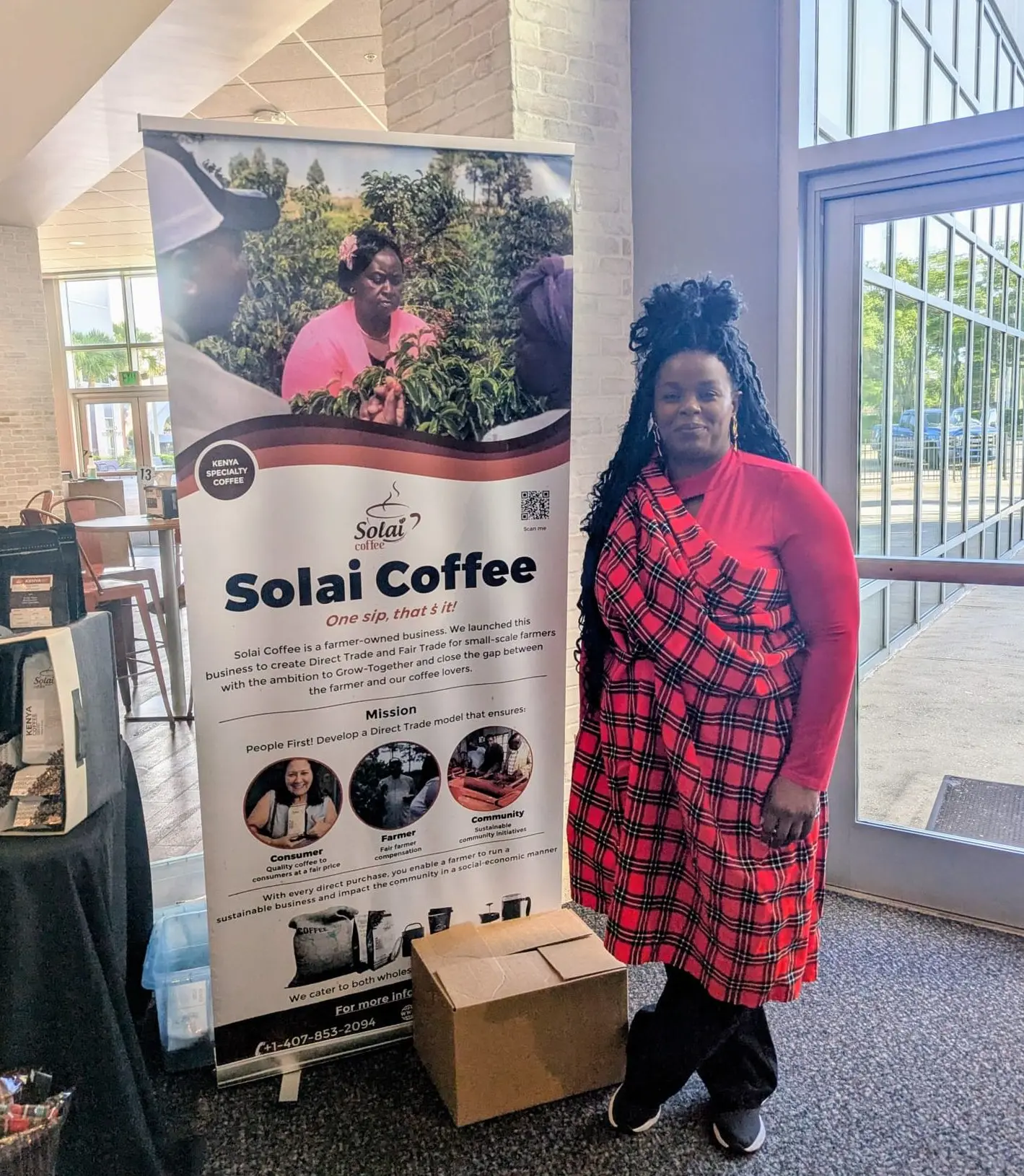
When Sheila immigrated to the U.S. fifteen years ago, she carried with her a longing for Kenyan coffee. Each bag she brought back from visits home symbolized comfort and culture. Discovering Solai Coffee reconnected her to her roots, while also deepening her appreciation for the role women farmers play in every cup.
Carla’s Story: Conscious Consumption in Action
Carla had never been to Kenya, yet a simple introduction to Solai Coffee from a coworker sparked something unexpected. What began as a morning ritual quickly grew into a deeper commitment to conscious consumption. Inspired by the brand’s dedication to women-led farming and sustainability, Carla is now preparing for her first trip to Kenya—determined to meet the farmers behind her daily cup. She believes in supporting brands that put people before profit and feels connected to something larger than herself.
Her journey shows how everyday consumers can transform into partners in driving gender equality within the coffee industry.
Related reads: Role of Women in coffee farming
Closing the Value Chain Gap
Each of these stories illustrates how women, whether farmers, founders, or consumers, are redefining what coffee means.
Empowering women in coffee requires holistic interventions across the entire value chain to create a coffee industry that is both sustainable and just.
Production: Recognize women's labor with fair pay.
Processing: Ensure women have access to technology without extra unpaid work.
Marketing: Include women in trading, negotiations, and cooperative leadership.
Income Control: Promoting joint accounts, fair payouts, and financial independence.
Training: Build women's skills in leadership, entrepreneurship, and advanced farming.
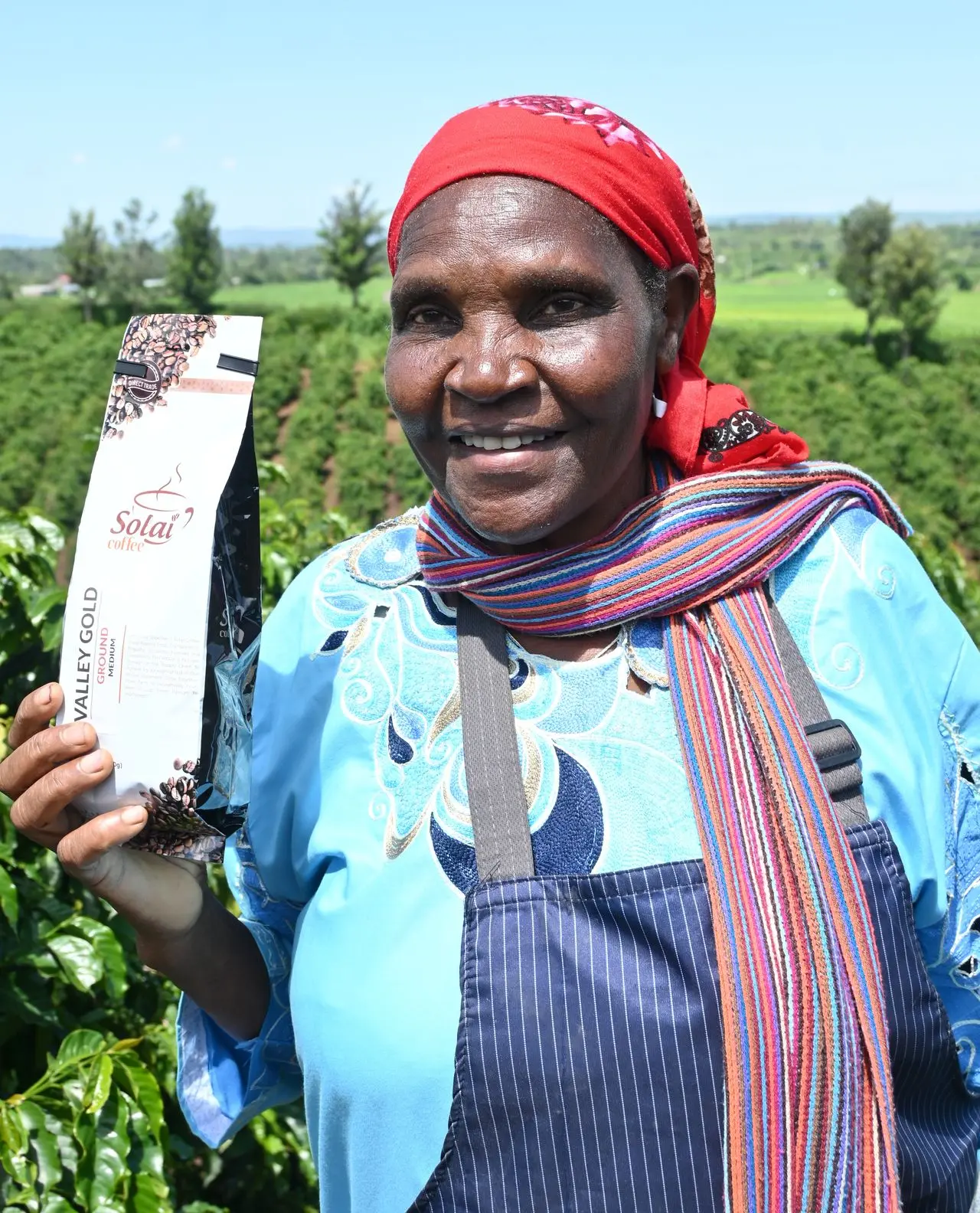
The coffee value chain often ends at the checkout counter, but at Solai Coffee, that's just the beginning. Each purchase supports farmer education, sustainable agriculture, and local community development. It funds school programs, empowers women-led farms, and strengthens eco-conscious packaging innovations.
Each bag purchased helps close the loop and ensures that the very hands who nurtured your coffee reap the benefits of your support.
Brew change, sip with purpose—choose Solai Coffee beans.