
Coffee quality is not defined by a single factor. From where coffee is grown to how it is brewed, several variables influence its taste. Understanding these variables makes it easier to improve your coffee and make better choices.
The 4 Pillars of Coffee
- Origin – where coffee is grown and the type of bean
- Roast – how flavor is developed
- Grind – how extraction is controlled
- Brew – how coffee is prepared, including water and method
All four of these elements combine to shape the flavor of your coffee.
Origin (Bean and Growing Conditions)
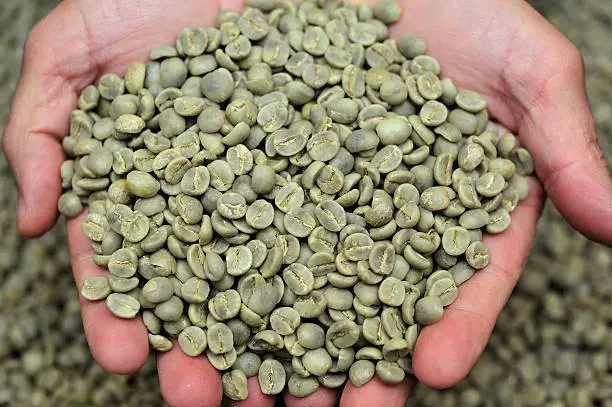
Origin refers to where coffee is grown, but it also includes the type of coffee plant and the conditions under which it develops.
Most specialty coffee comes from Arabica, with varieties such as Bourbon, Typica, and Gesha contributing distinct flavor characteristics. Even within the same country, different varieties can produce noticeably different results.
Environmental factors also play a big role. Factors such as altitude, temperature, and soil affect how the coffee cherry matures. When coffee grows at higher elevations, it matures more slowly, allowing sugars and acids to develop gradually. This often leads to more complex and structured flavors.
This is why certain regions are associated with specific profiles. Coffee from Ethiopia often shows floral and tea-like qualities, Kenyan coffee is known for bright acidity and fruit-driven notes, and Brazilian coffee tends to produce a heavier body with chocolate and nut characteristics.
Origin sets the base flavor of coffee before any processing or roasting happens.
Explore our roasted coffee and discover how origin and roast shape flavor in every cup.
Roast (Flavor Development)
Roasting turns green coffee into the beans we use for brewing. It’s one of the most important steps for shaping flavor.
Green coffee has little resemblance to the final product. It is grassy and undeveloped. During roasting, heat triggers caramelization and a series of chemical reactions that create the compounds responsible for aroma and flavor.
The degree of roasting acts as a transition point, shifting the balance between acidity, sweetness, and body. Lighter roasts tend to retain more of the origin’s acidity and structure, allowing regional characteristics to remain clear. Darker roasts develop deeper, more pronounced flavors, often reducing some of the original detail in favor of heavier body and roast-driven notes.
Roasting cannot fix poor-quality coffee, but it determines the flavor. It serves as a key step in balancing coffee bean flavor, acidity, and body.
You may also like: How to Choose Coffee Beans Based on Flavor
Grind (Extraction Control)
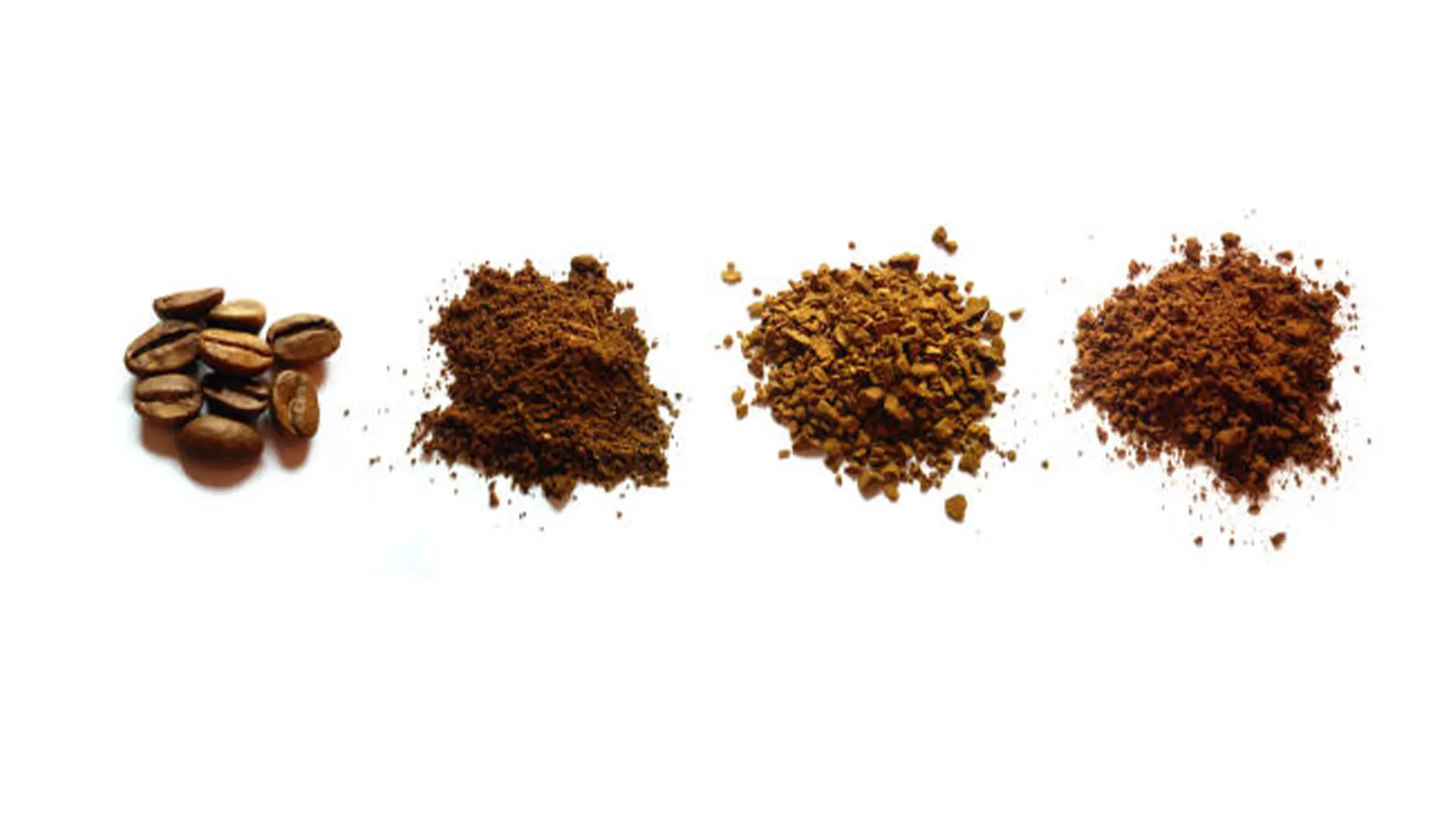
Grind size determines how water interacts with coffee during brewing.
A finer grind gives more surface area, so extraction happens faster. A coarser grind slows things down. If the grind is too fine, the coffee can taste bitter from over-extraction. If it’s too coarse, the coffee might taste weak or underdeveloped.
Each brewing method needs a certain grind size, depending on how long the water stays in contact with the coffee. Espresso uses a fine grind because it extracts quickly under pressure. The French press uses a coarse grind because the water and coffee are together for a longer time.
Choosing the right grind size for your brewing method is key to achieving balanced, consistent coffee.
Brew (Water, Temperature, and Method)

Brewing brings all the elements together.
Water quality matters because coffee is mostly water. If the water is too hard or too soft, it can affect how flavors are extracted. Clean, balanced water gives you more consistent coffee.
Temperature also changes how coffee extracts. If the water is too hot, it can bring out bitter flavors. If it’s too cool, you might not get enough flavor. Most people brew coffee between 195°F and 205°F for a balanced result.
The brewing method determines how extraction occurs. Pour-over methods make a cleaner cup. Immersion methods, like the French press, give a fuller body. Espresso uses pressure to extract quickly and make a concentrated drink.
Even with high-quality beans, poor brewing can lead to an unbalanced cup, making this stage critical.
Read more: Coffee Brewing Mistakes You Might Be Making (and How to Fix Them)
Why These Pillars Matter
The flavor of your coffee comes from how these four pillars work together, not just from each one on its own.
Origin gives coffee its raw potential, but roasting shapes that potential. Grind size affects how well those flavors are extracted, and brewing decides how you experience them in your cup.
Since these steps are all connected, a problem in one can affect the whole cup. Even well-roasted coffee can taste flat if the grind is wrong or brewing isn’t consistent. Likewise, careful brewing can’t make up for bad beans.
Improving coffee does not require changing everything at once. Start with good coffee from a clear origin. Use a roast that suits your preference, adjust grind size to match your brewing method, and use clean water at the right temperature.
Small adjustments in each step can lead to noticeable improvements.
Looking for Kenyan coffee near you? Explore our roasted selections and experience bright, complex profiles shaped by origin.