
Choosing coffee can feel overwhelming.
Walk into any specialty coffee shop or browse online, and you’ll see labels filled with terms like floral, citrus, chocolatey, bright acidity, or full-bodied. For many people, these descriptions are intriguing but unclear.
These descriptions are meant to guide you, but without context, they can be difficult to interpret. Why does one coffee taste bright and fruit-forward while another feels rich and chocolatey? And how do you choose one that actually suits your preference?
The key is to learn a few main things that affect coffee flavor. Once you know what to look for, picking coffee beans gets much easier and more fun.
Take a look at our roasted coffees to see how origin, processing, and variety all influence the taste in your cup.
You may also like: Why the Coffee You Choose in 2026 Matters More Than Ever
Start With Your Flavor Preferences

The most effective way to begin is by considering the flavors you already enjoy. Coffee is diverse, but your preferences often follow patterns found in other foods and drinks.
The easiest way to choose coffee is to begin with what you already like.
Think about the flavors you like in other foods or drinks. Some people enjoy fruity flavors like berries or citrus, while others prefer smooth, sweet flavors like caramel or honey. Some prefer richer tastes with chocolate or nutty notes.
In general:
- If you enjoy bright, fruity coffees, look for coffee from East Africa, such as Ethiopia or Kenya.
- If you prefer balanced and sweet profiles, coffees from Central America are a good place to start.
- If you like chocolatey, nutty flavors, Brazilian or other South American coffees often match these preferences.
Choosing based on what you already like makes it easier to find the right coffee for you.
Read more: Why Coffee Tastes Different Around the World
Understanding Coffee Flavor Profiles
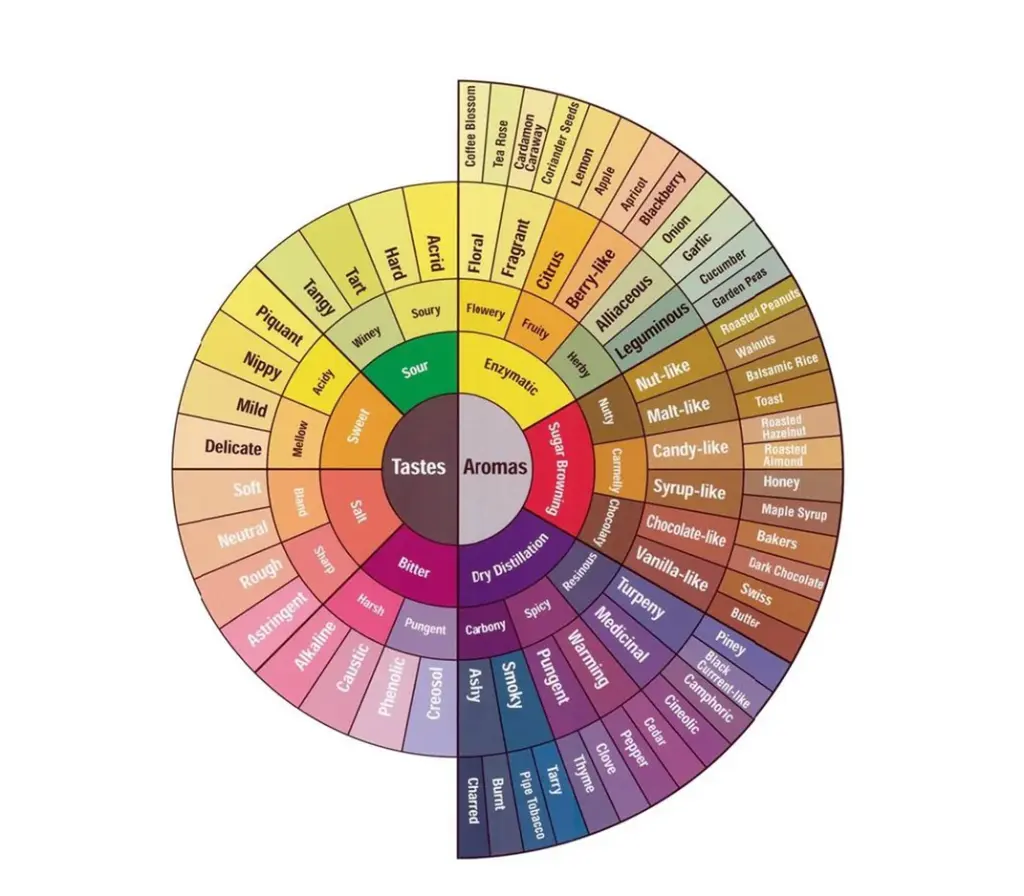
Coffee flavors are often grouped into broad categories to make them easier to understand.
Fruity and Floral
These coffees are usually vibrant and aromatic, with flavors like berry, citrus, or jasmine. They often have more acidity and a lighter body.
Sweet and Balanced
These coffees have flavors like caramel, honey, or gentle fruit notes. They are usually smooth and well-balanced.
Chocolatey and Bold
These coffees emphasize deeper flavors such as cocoa, nuts, and spices. They tend to have a heavier body and less acidity.
These categories are not strict rules, but they provide a useful way to explore different coffees.
How Origin Influences Flavor
Where coffee is grown directly affects its taste. Environmental factors such as altitude, climate, and soil conditions shape how the coffee cherry develops over time. In higher-altitude regions, cooler temperatures slow down maturation, allowing sugars and acids to develop more gradually. This usually means the coffee will taste clearer and more complex.
That is why some regions are known for certain flavors. Ethiopian coffee is famous for its floral taste and tea-like clarity. Kenyan coffee is known for bright acidity and layers of fruit flavors. Brazilian coffee, which grows at lower altitudes, usually has a heavier body with chocolate and nutty notes.
Understanding the origin provides a strong foundation when choosing coffee, since it is one of the best clues to its flavor.
How Coffee Processing Methods Shapes Taste
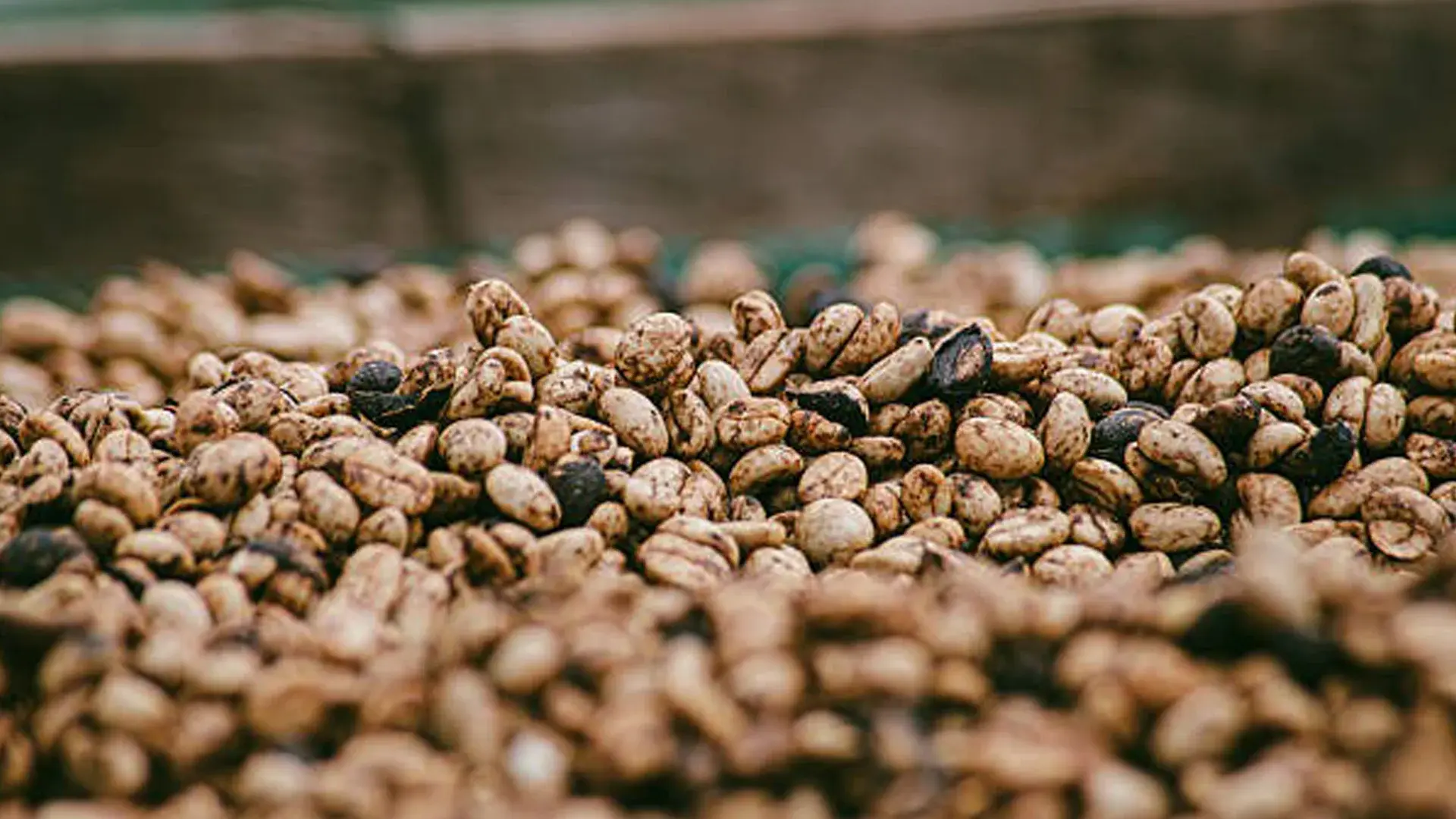
After coffee cherries are harvested, they must be processed to remove the fruit surrounding the seed. This stage plays a significant role in determining how the coffee will taste. When coffee is washed, the fruit is removed early, and fermentation is carefully controlled, which usually gives a clean, structured flavor with noticeable acidity.
In contrast, natural processing allows the coffee to dry with the fruit intact, extending the interaction between the fruit and the seed. This often leads to a fuller body and stronger fruit flavors.
Honey processing falls between these two approaches, leaving some of the fruit material on the bean during drying. This usually creates a nice balance of sweetness and clarity. Even coffee from the same origin can taste very different depending on how it is processed.
Washed (Wet Processed) | Produces clean, bright flavors with clear acidity |
Natural (Dry Processed) | Often results in fruitier, heavier-bodied coffees |
Honey (Pulped Natural) | Creates a balance between sweetness and clarity |
Why Variety Matters
Coffee is not one type of plant. There are many varieties, each with its own genetics and traits. These genetic differences affect how the coffee tastes, even if the beans are grown in the same place.
Some well-known varieties include:
- Bourbon – known for sweetness and balance
- Typica – clean and delicate
- Gesha (Geisha) – floral and highly aromatic
- SL28 and SL34 – bright, complex, often associated with Kenyan coffee
Explore our specialty green coffee, sourced directly from producers and traceable from farm to export.
Common Mistakes When Choosing Coffee
One of the most common mistakes is focusing only on roast level. While roast does influence flavor, it does not define it. Origin, processing, and variety often have a greater impact on the flavor characteristics you experience in the cup.
Another misconception is the expectation that all coffee will taste similar. In fact, coffee can taste very different depending on where and how it’s grown and processed. This variety is what makes coffee special.
Finally, not experimenting makes it harder to refine your preferences.
If you’re new to specialty coffee, start simple:
- Try coffee beans from two or three different origins.
- Pay attention to differences in aroma, acidity, and body, and what you enjoy most.
- Keep your brewing method consistent when comparing coffees.
As you try different coffee beans, you will start to notice patterns and get a better sense of what you like.
Learn more: Tasting Coffee at Home Like a Pro through Cupping
Choosing Coffee With Confidence
A combination of origin, processing, variety, and farmer practices shapes coffee flavor. Once you understand these factors, choosing coffee becomes less about guesswork and more about informed decisions.
At Solai Coffee, we believe that understanding coffee begins with transparency at origin.
Through our farm-direct sourcing approach, we work closely with farmers to ensure that each micro-lot reflects the environmental conditions, plant varieties, and processing methods that shape its flavor.