
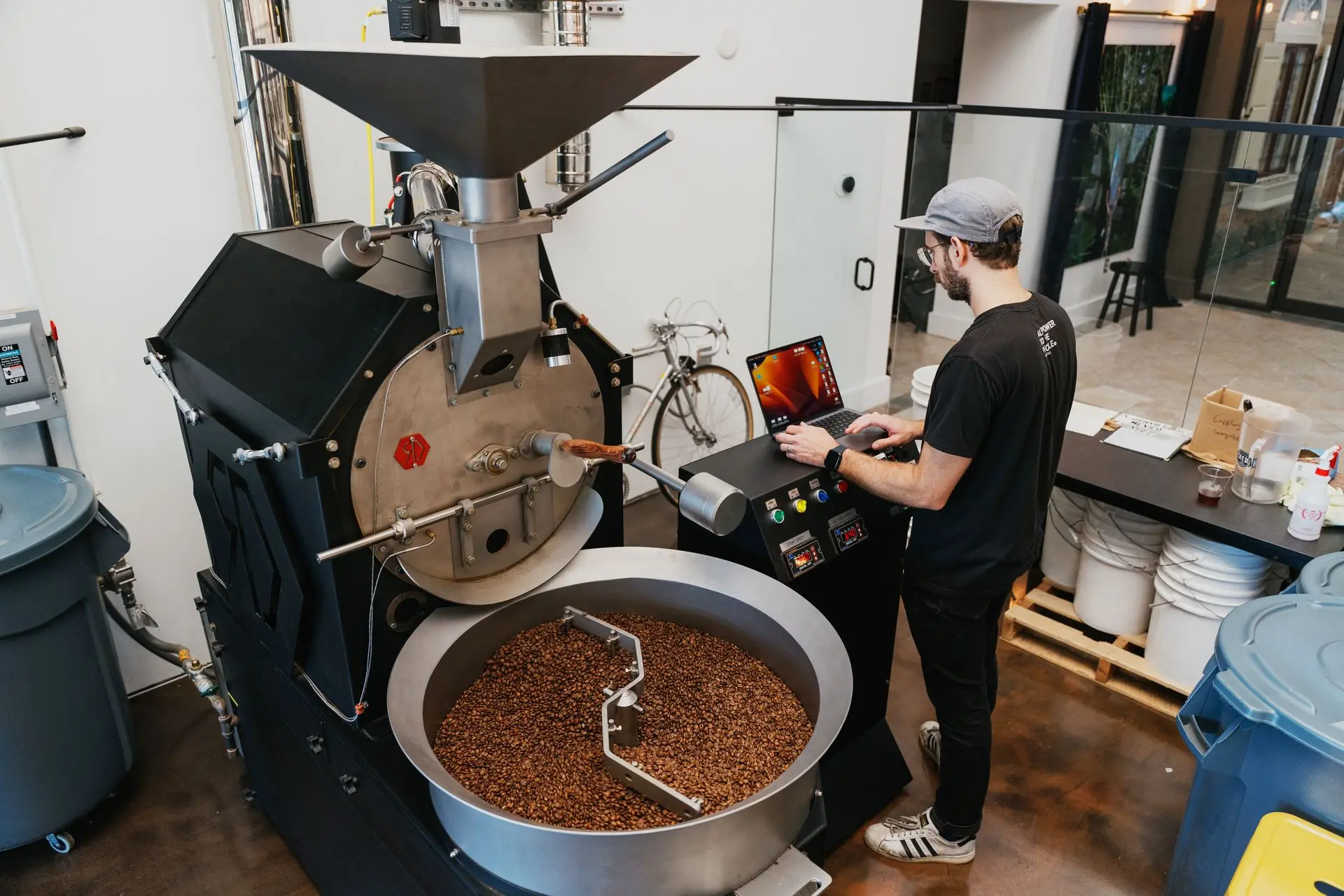
Small-batch roasting celebrates quality over quantity. Rather than churning through thousands of pounds at once, small roasters like credo coffee roasters work in hand-tended batches (often under 50 pounds). This hands-on approach means each bean is treated with care and every roast is monitored closely.
The process allows precise temperature control, real-time adjustments, and a genuine connection between the roaster and the bean. Each batch is observed for sight, sound, and aroma, ensuring every roast achieves its ideal flavor profile, unlike mass-production methods that rely heavily on automation and uniformity.
Learn more about roasting: Coffee Roasting Basics: Guide to Perfect Beans
Quality Control
In small-batch roasting, quality control is everything. Roasters can identify and correct issues as they arise, such as uneven heat distribution, airflow inconsistencies, or variations in bean density. Each roast is evaluated by sight, sound, and smell, ensuring precision from start to finish.
When roasting massive quantities, minor errors are amplified. Slight temperature fluctuations or uneven airflow can lead to underdeveloped or burnt beans. By keeping batches small, roasters maintain consistent results and eliminate defects that large industrial operations often overlook.
Precision Roasting & Flavor Development
Small-batch roasting is both an art and a science. It gives roasters the flexibility to watch and adjust in real time — from the first crack to the final cooling. Processes like the Maillard reaction (the chemical browning that creates complex coffee flavors) can be closely controlled to bring out specific flavor notes.
Roasters monitor audible cues like the first and second crack, tweaking the process to bring out distinct flavors from each origin.
By contrast, large roasters often rely on generic, one-size-fits-all profiles. This sacrifices nuance for efficiency, flattening the unique characteristics that make each coffee origin special. Small-batch roasting ensures that each coffee —whether a Kenya specialty AA, a Colombian Supremo, or a Hawaiian Kona —receives a bespoke roast profile that amplifies its natural strengths.
You may also read: The art of coffee cupping
Freshness You Can Taste
Few things showcase small-batch superiority like freshness. Coffee beans begins losing its aroma and liveliness as soon as it cools, so the time between roasting and brewing truly matters.
Small roasters often roast to order, getting beans into customers' hands within days, not months. As Frontier Coffee explains, small-batch roasting allows coffee to be "delivered to consumers at peak freshness, often within days of roasting," preserving the vibrant oils and aromatics that define a rich cup.
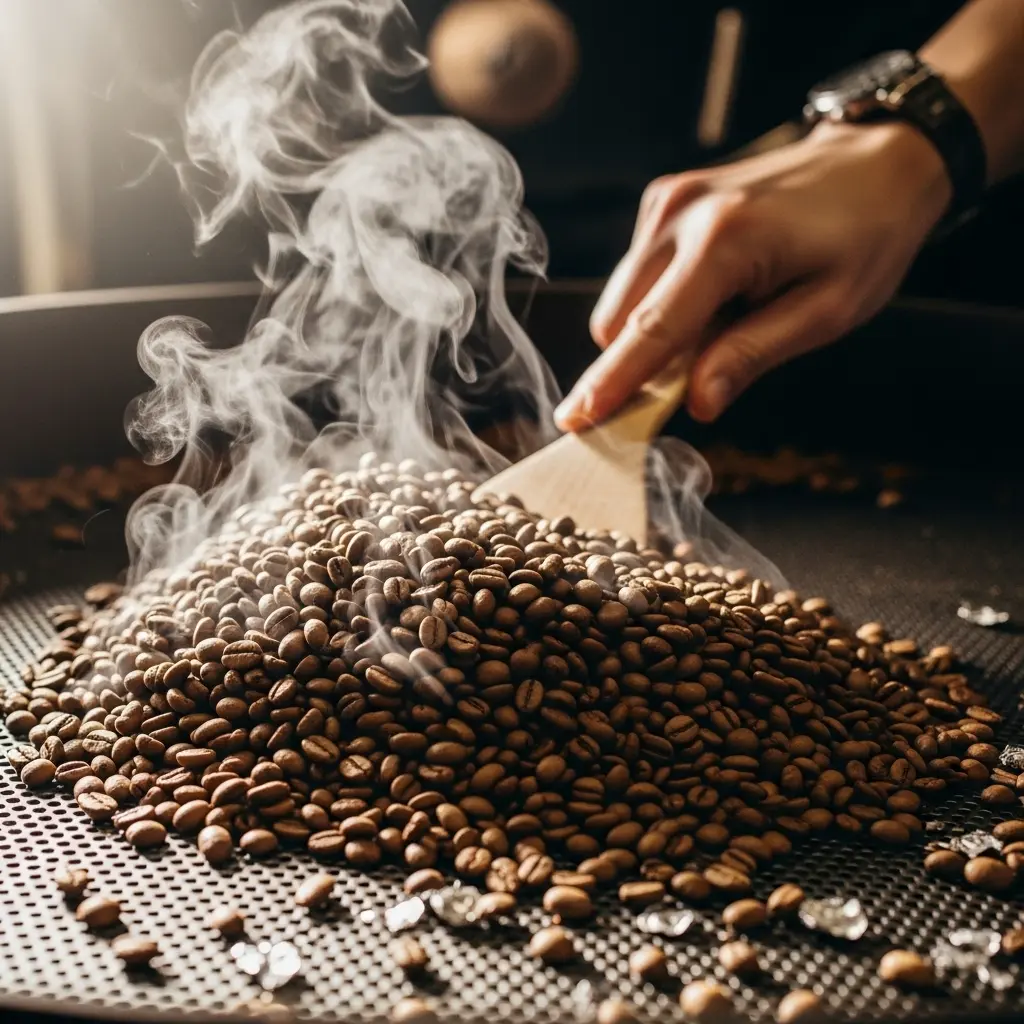
By contrast, large-scale coffee often sits in warehouses or on store shelves for months. During that time, carbon dioxide (which carries aroma) escapes while oxygen dulls the beans, leading to stale flavors. To compensate, big producers sometimes over-roast or add fillers — but that sacrifices nuance. Small-batch roasters refuse to let their coffee "go flat." The result? Brighter acidity, richer body, and a full, aromatic flavor in every sip.
Small-batch coffee roasting delivers exceptional flavor, freshness, and quality by focusing on precision and care. Roasters monitor each batch closely, adjusting heat and timing to highlight every bean's natural profile.
Artisan Craftsmanship & Experimentation
Small-batch roasting is artisanal. The process celebrates craftsmanship, not industrial routine. Roasters often liken their work to that of a chef crafting a signature dish rather than a factory worker running a machine. Each batch is an opportunity to experiment and innovate.
Roasting in limited quantities gives roasters the freedom to play with profiles and new blends, and to explore emerging techniques, such as longer drying phases or new roast curves. For coffee lovers, this means access to unique or limited offerings.
Customer Connection & Community
Small-batch roasting thrives on the connection between the roaster, the farmer, and the consumer. Because batches are small, roasters can maintain full transparency about sourcing and process.
Coffee bags often list exact roast dates, single-origin farms, and tasting notes. Roasters share stories from the farm and brewing tips, creating a personal experience.
Buying small-batch coffee supports ethical and sustainable practices such as direct trade and fair compensation for farmers. For local communities, it fosters growth, empowerment, and pride in the journey from seed to cup.
Is Small-Batch Coffee Better?
Small-batch roasting values people, process, and the pursuit of perfect flavor.
Choosing small-batch roasted coffee means supporting ethical sourcing, fair compensation, and sustainable farming practices. Specialty roasters prefer small batches and maintain direct trade relationships with coffee producers, ensuring farmers receive fair pay and promoting long-term sustainability. This transparent supply chain allows consumers to trace their coffee back to the farm—often down to the specific lot or family that cultivated it and ensuring farmers receive fair pay and promoting long-term sustainability.
As a coffee lover, you benefit in more ways than one. You get coffee that's fresher, more flavorful, and traceable back to its source.
So next time you sip that perfectly balanced cup, remember: the best things in life are crafted in small batches.
Try Solai Coffee's small-batch roasted beans and taste what happens when passion meets precision. Every sip is proof that quality — one sip, that's it; instant Joy!
Why Small-Batch Roasting Wins Every Time