
Most people experience coffee only after it is roasted and brewed. Roasters, though, evaluate coffee much earlier, long before it appears on a menu or shelf.
Every green coffee buying decision involves balancing flavor, consistency, roast performance, price, and sourcing relationships. A coffee may taste excellent on the cupping table but still fail to work commercially if it lacks stability, consistency, or versatility.
For specialty roasters, buying green coffee goes beyond simply seeking the highest score. They must understand how a coffee will perform in roasting, brewing, and meeting customer expectations.
This highlights that specialty coffee sourcing involves careful, multi-factor evaluation beyond what most consumers expect. Understanding this process is essential to appreciating the quality of specialty coffee.
What Roasters Notice First
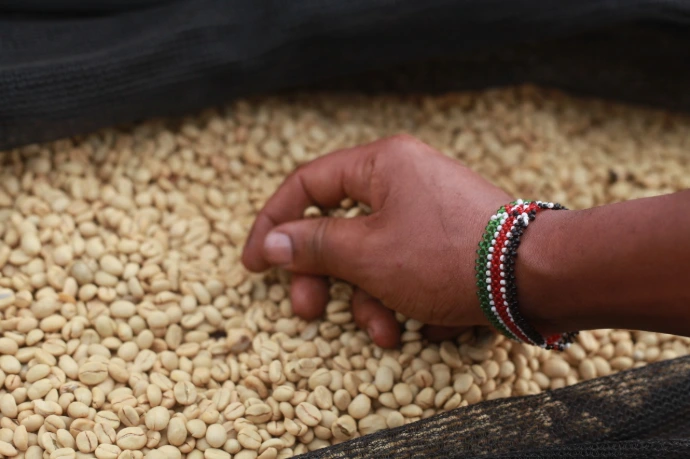
Before coffee is roasted, green buyers often evaluate the physical characteristics of the beans themselves. They assess moisture content, density, bean size, color consistency, defect count, and overall processing quality to understand how stable and reliable the coffee will be during roasting and storage.
Density matters because denser coffee beans respond differently to heat during roasting, especially coffee grown at high elevations like many Kenyan lots. Moisture content matters, too. Coffee that is too dry roasts unevenly and loses complexity, while excessive moisture causes instability during storage and shipping.
Visual appearance also matters. Inconsistent color or many defects may indicate harvesting or processing problems that can affect flavor.
Why Cup Quality Matters Most
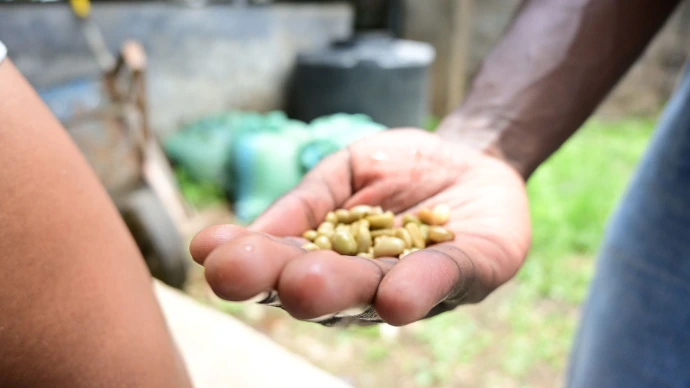
During cupping, roasters evaluate sweetness, acidity, body, clarity, balance, aftertaste, and overall complexity. The goal is to identify coffee with structure, balance, and consistency across different brewing methods.
The key takeaway is that great specialty coffee is defined by balance and structure just as much as by brightness or fruit character. Intensity alone is not the goal.
For Kenyan coffee, roasters often seek layered acidity, sweetness, and clean fruit notes without excessive harshness or dryness. That balance is what allows a coffee to remain enjoyable across different brewing methods.
Consistency Is More Important Than High Scores
One of the biggest misconceptions about specialty coffee is that higher scores automatically mean better coffee in every situation. Many roasters value consistency over extreme cup scores. A coffee that performs reliably across multiple roast batches can be more valuable than a coffee with a slightly higher score but less consistent structure.
This matters especially for espresso programs, house blends, subscription coffee, and wholesale accounts where consistency directly affects the customer experience.
Reliable coffee allows cafés and roasters to maintain stable flavor profiles over time. For many buyers, that reliability matters as much as complexity.
How Processing Affects Flavor and Roast Performance
Coffee processing has a major influence on flavor and roast behavior.
Washed coffees often produce cleaner acidity and more clarity, while natural coffees may deliver heavier fruit character and body. Roasters evaluate whether a processing style matches the intended use of the coffee.
For example, a bright washed Kenya AA may work exceptionally well as a single-origin pour-over, while a lower-acid Kenya C may perform better in espresso blends.
This is one reason why specialty coffee buyers pay close attention to processing practices at origin.
Processing consistency also matters. Uneven fermentation or drying can create instability during roasting and lead to unpredictable flavors in the cup.
Why Coffee Grades Are Only Part of the Story
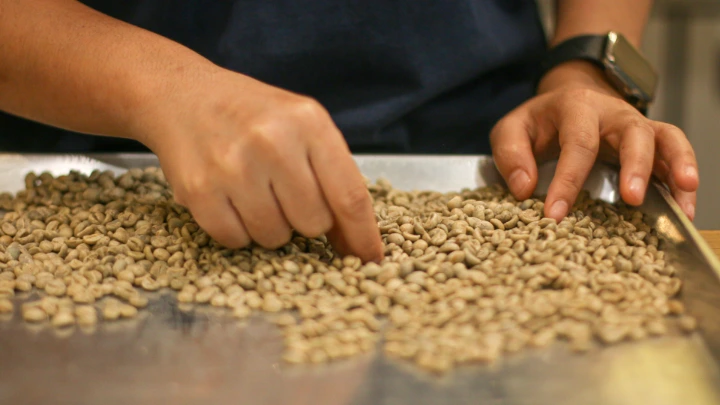
Many consumers assume larger bean sizes automatically mean higher quality, but roasters often evaluate coffee differently. Grades like Kenya AA, AB, PB, and C all serve different purposes depending on the roasting profile, brewing method, and desired cup experience.
Kenya AA coffee are often valued for their bright acidity, structure, and layered fruit notes. AB lots frequently provide balance and versatility across multiple brewing methods, while peaberry coffee are known for their concentrated sweetness and rounded body.
Kenya C coffee, despite their smaller screen size, can still offer impressive sweetness, softer acidity, and strong blend performance when carefully sourced and processed.
At Solai Coffee, this range of flavor profiles is reflected across different offerings. Amani & Amaya Blend highlights the balance and versatility often associated with AA and AB coffee beans. For those seeking concentrated sweetness and a more rounded cup profile, Precious Beans PB showcases the distinct character peaberry coffee can offer.
This is why coffee grades like AA, AB, PB, and C are only one part of evaluating green coffee quality. Processing, density, moisture, flavor balance, and roast performance often matter just as much as screen size alone.
Relationships Matter in Specialty Coffee
Specialty coffee sourcing is not only about flavor. Relationships matter too.
Many specialty roasters build long-term partnerships with exporters, cooperatives, and producers to improve consistency and transparency over time. Strong sourcing relationships often lead to better communication, more reliable quality, greater traceability, improved processing standards, and stronger long-term sustainability.
This relationship-driven approach is one reason why specialty coffee costs more than commodity coffee.
Roasters are not simply purchasing coffee. They are investing in systems that support quality from farm to roast.
For specialty roasters, green coffee buying is ultimately about finding coffee that fit a purpose.
Some coffee beans are selected for bright single-origin offerings. Others are chosen for espresso structure, blend versatility, or long-term consistency.
When consumers understand what happens during green coffee selection, it becomes easier to see why specialty coffee tastes more expressive, more consistent, and often more expensive than commercial alternatives.
For roasters looking for microlot coffee with layered acidity, balanced sweetness, and traceable sourcing, explore our kenya green coffee bean selections.