
Walk into any grocery store or coffee shop in the U.S., and you’ll notice a huge range in coffee prices. One bag might cost $8, while another sits nearby for $20 or more. For many consumers, the immediate question is obvious: why does specialty coffee cost so much more, even though it looks similar on the shelf?
At first glance, coffee is simply coffee. But specialty coffee operates on a completely different model. It is built around quality rather than volume, and the higher price reflects the care involved at every stage, from farming and harvesting to sourcing, roasting, and freshness.
When you understand what goes into specialty coffee, the price begins to make sense. More importantly, you begin to understand what you are actually paying for.
You may also like: Does Specialty Coffee Actually Help Farmers?
What Is Specialty Coffee?
Specialty coffee refers to coffee that meets a high standard of quality from farm to cup. Unlike commercial coffee, which is produced for consistency and mass distribution, specialty coffee focuses on flavor, traceability, and careful production.
Coffee is graded on a 100-point scale by certified tasters called Q graders. To qualify as specialty coffee, it must score 80 points or higher.
That score reflects factors such as:
- Minimal defects
- Clean flavor
- Balanced sweetness and acidity
- Distinct origin characteristics
- Careful processing and roasting
In practical terms, specialty coffee is designed to showcase the natural qualities of the bean rather than hide them through overly dark roasting or mass production methods.
Coffees like Solai Coffee Amani & Amaya clearly reflect this approach. Sourced from premium Kenya AA and AB lots, they highlight the bright acidity, sweetness, and layered fruit notes that make Kenyan specialty coffee stand out, while also supporting education initiatives for children in coffee-farming communities.
Higher Quality Coffee Requires More Labor
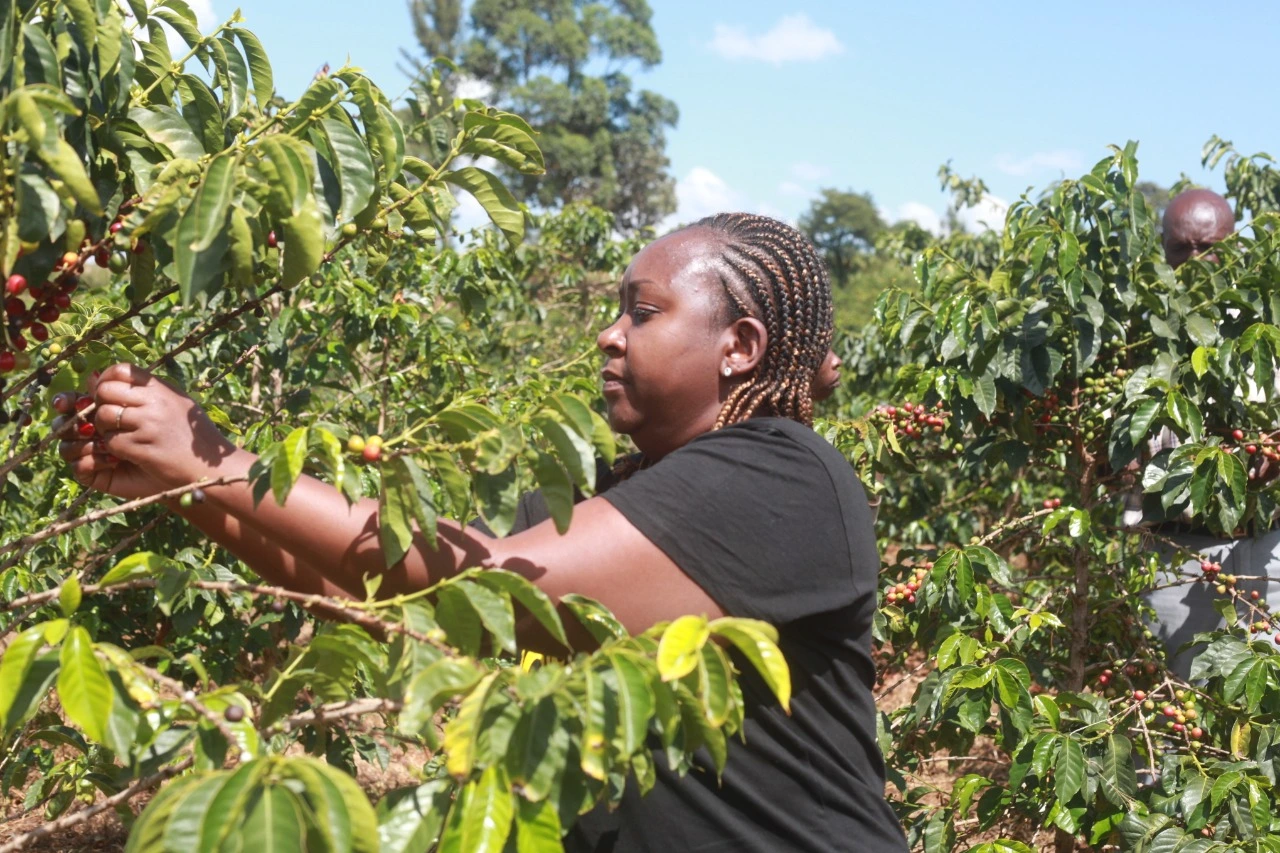
One of the biggest reasons specialty coffee costs more is labor. On microlot coffee farms, coffee cherries are often handpicked and carefully sorted to ensure only ripe fruit is processed. This is much slower and more expensive than large-scale harvesting methods used in commodity coffee production.
Coffee cherries also do not ripen all at once. Workers may return to the same trees multiple times during harvest season to pick only the ripest cherries. That extra labor improves flavor quality but significantly increases production costs.
After harvest, the coffee undergoes processing methods that require greater precision. Fermentation, washing, drying, and storage are carefully monitored because small mistakes can negatively affect the final flavor. This level of attention is one of the main differences between specialty coffee and lower-cost commercial coffee.
Specialty Coffee Often Pays Farmers More
The global coffee market is heavily driven by commodity pricing, where coffee is traded based on market fluctuations rather than quality alone.
Specialty coffee works differently. Many specialty roasters build direct relationships with farmers and pay higher prices for higher-quality coffee. These relationships are often designed to support:
Better farming practices
More stable income
Improved processing infrastructure
Long-term quality consistency
For consumers in the U.S., this growing emphasis on traceability and ethical sourcing has become part of the value of specialty coffee.
This is also reflected in coffee beans like The Valley Bloom, a Rift Valley blend combining Kenya AA, AB, PB, and C beans for a balanced cup with citrus brightness, caramel sweetness, and chocolate depth. Rather than focusing solely on top grades, the blend creates value across multiple coffee lots while directly supporting the farmers who grow them.
Small-Batch Roasting Costs More
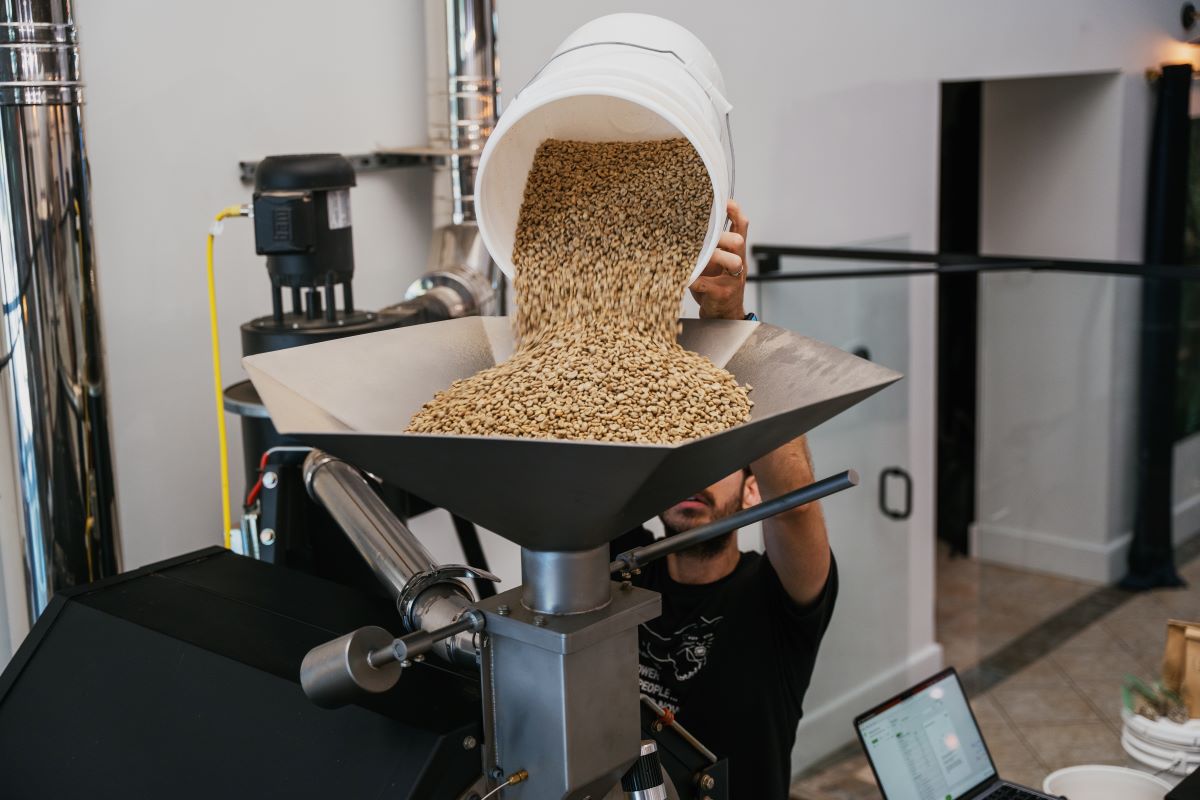
Roasting also plays a major role in pricing. Large commercial coffee companies roast at a massive scale for efficiency and shelf stability. Specialty roasters take a different approach.
Small batch roasting focuses on flavor precision. Roasters carefully adjust time, airflow, and temperature to highlight the unique characteristics of each coffee rather than creating a uniform flavor profile across every batch.
This process requires:
- Skilled roasting expertise
- Smaller production volumes
- More quality control
- Longer development time
The result is coffee that tastes cleaner, sweeter, and more expressive of its origin.
For roasters working with Kenya specialty green coffee beans, this precision becomes even more important. Kenyan coffee is known for its bright acidity, layered fruit notes, and complex sweetness, which means roasting decisions have a major impact on the final cup profile.
Freshness Is a Major Part of the Difference
Freshness is often overlooked when consumers compare coffee prices.
Commercial coffee can spend weeks or even months in warehouses, shipping systems, and retail stores before it is brewed. Specialty coffee is usually roasted in smaller quantities and sold much closer to the roast date.
That freshness matters because coffee loses flavor over time. Aromatics fade, acidity becomes dull, and sweetness declines.
Freshly roasted specialty coffee preserves the characteristics that make coffee taste vibrant and balanced in the first place.
Specialty coffee costs more because it involves higher-quality sourcing, labor-intensive harvesting, small batch roasting, fresher delivery, and greater transparency throughout the supply chain. In return, consumers get better flavor, fresher coffee, and a more traceable coffee experience.
Specialty Coffee Delivers a Different Flavor Experience
For many consumers, flavor is where the difference becomes obvious. Mass-market coffee is designed for broad consistency, which often results in a flatter, more uniform flavor. Specialty coffee highlights the natural complexity of the bean itself.
Depending on the origin and processing method, specialty coffee may have notes of:
- Chocolate
- Caramel
- Citrus
- Berry
- Stone fruit
- Floral tea-like qualities
These flavors are naturally developed through growing conditions, altitude, soil composition, and processing, not artificial flavoring.
This is why specialty coffee often feels more layered and distinctive compared to traditional commercial coffee.
You Are Also Paying for Transparency
One thing that separates specialty coffee from conventional coffee is traceability.Most specialty coffee bags include details such as:
- Country or region of origin
- Farm or cooperative
- Processing method
- Roast date
- Coffee variety
This level of transparency gives consumers more insight into what they are buying and supports greater accountability throughout the supply chain.
For many U.S. consumers, this connection to sourcing and production has become increasingly important, especially as interest in sustainability and ethical purchasing grows.
Is Specialty Coffee Worth the Higher Price?
That depends on what matters most to you. If coffee is simply a source of caffeine, lower-cost options may be enough. But if you care about flavor, freshness, sourcing, and consistency, specialty coffee offers a very different experience.
In other words, you are paying for the quality systems that go into the coffee, not just the coffee itself. And what you get in return is coffee that tastes more expressive, consistent, and connected to its origin.
For many coffee drinkers, the value goes beyond flavor alone. It is about understanding where the coffee comes from, how it was produced, and why those details matter in the cup.
For roasters, cafés, and consumers seeking Kenya specialty green coffee beans or carefully roasted single-origin coffee, that investment often translates into a noticeably better coffee experience from the first sip to the last.