
Coffee is one of the most familiar rituals in daily life.
Coffee starts mornings, fuels conversations, and supports workdays. Its routine nature often leads us to overlook the factors behind each cup.
In 2026, it is worth paying closer attention to this daily habit.
The global coffee industry is changing due to climate pressures, evolving consumer expectations, shifting markets, and increased demand for transparency. Coffee is now evaluated beyond taste and convenience. Consumers increasingly want to know the origin, sourcing practices, and whether production systems are sustainable for producers.
These changes have shaped specialty coffee trends, making origin and traceability essential.
Learn how origin, sourcing, and transparency affect the quality of specialty coffee, and why these factors are even more important in 2026.
Explore our approach to farm-direct sourcing
Coffee in 2026: A Shift in How We Value Everyday Choices

Consumers across food and beverage industries are choosing fewer, higher-quality products. This trend is evident in coffee, where it is increasingly seen as a deliberate, informed choice rather than a background commodity.
This shift reflects broader coffee trends in 2026, where the reasons behind your choice matter as much as taste. Consumers seek clear information about origin, sourcing, and brand values. Coffee is now central to discussions about sustainability, fairness, and long-term impact.
As a result, specialty coffee is no longer niche. It is increasingly becoming the reference point for quality and accountability.
From Third Wave to Fourth Wave Coffee: What Has Changed
Coffee culture is often described in waves, each representing a shift in production and consumption.
The third wave of coffee helped people notice where coffee comes from, its flavors, and the skill involved in making it. It brought in single-origin coffees, hands-on brewing, and the idea that coffee can be as complex as wine.
Now, many people talk about a fourth wave of coffee, where quality is not the only thing that matters. Openness, fairness, and long-term impact are just as important. Coffee now stands for relationships, supply chains, and personal values. This change shows that the market is growing, and quality and responsibility go hand in hand.
Read more: What Are Coffee Waves? Understanding the Movement
Why Coffee Origin Matters
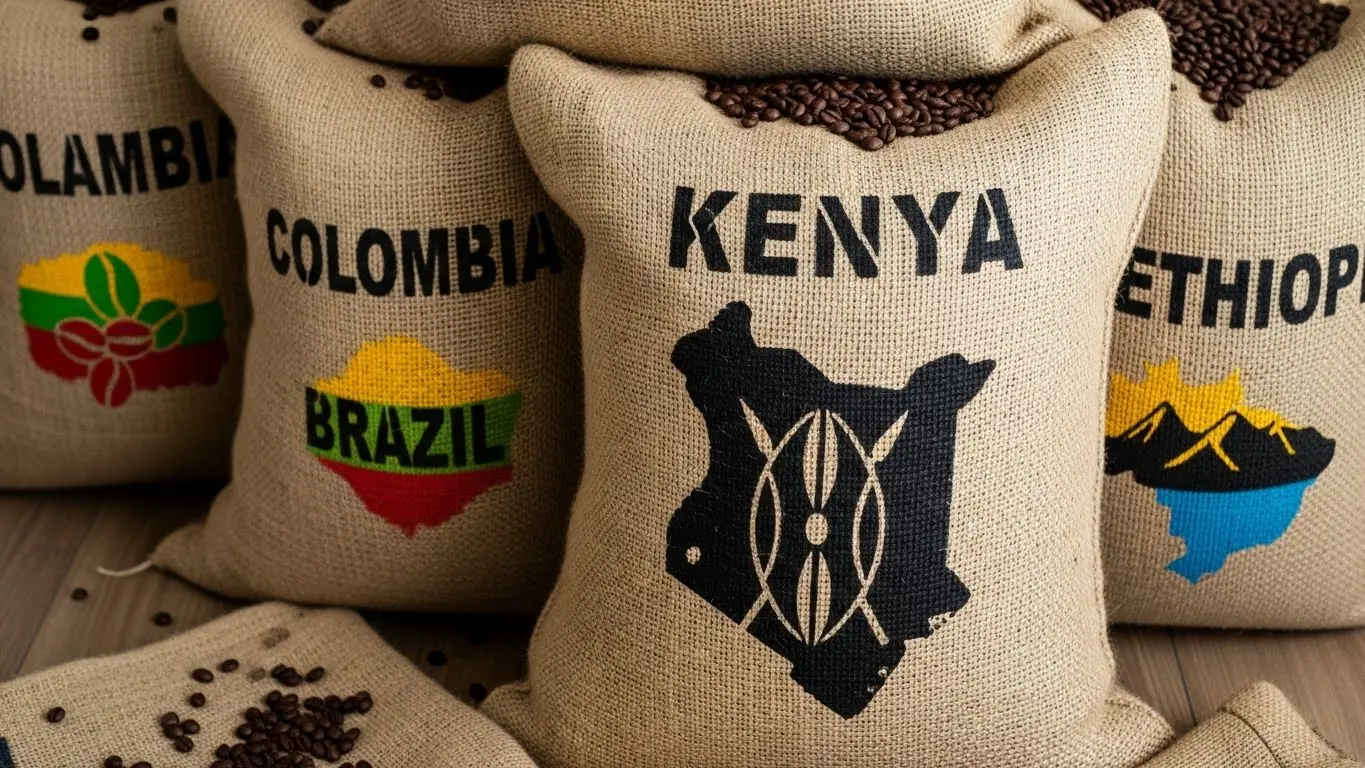
Every cup of coffee has a point of origin. Once that becomes part of how you think about coffee, it is difficult to ignore.
Origin influences everything from flavor and aroma to acidity and sweetness.
Coffee begins on a farm, shaped by altitude, climate, soil, and the people who cultivate it. Kenyan coffee, for example, is known for its bright acidity and layered fruit characteristics. Coffees graded AA are valued not only for bean size, but for the careful cultivation and processing standards behind them.
Origin information has also become a marker of trust in specialty coffee. It distinguishes thoughtful sourcing from anonymous supply chains. Clear details about the origin help people see whether farmers were paid fairly, whether processing was done responsibly, and whether prices reflect quality rather than just market volatility.
For coffee drinkers, this transparency builds confidence. Knowing that a brand works directly with producers and values long-term partnerships reinforces trust and loyalty. Sourcing, once invisible, has become a defining part of the coffee experience.
At Solai Coffee, we partner directly with farmers to preserve each origin’s unique character, ensure quality, and promote long-term sustainability. We believe sourcing is as important as taste.
Learn more about our Farmers
Quality Coffee Starts Long Before Roasting
Many people associate quality with roast level or brewing method, but great coffee begins long before it reaches the roaster.
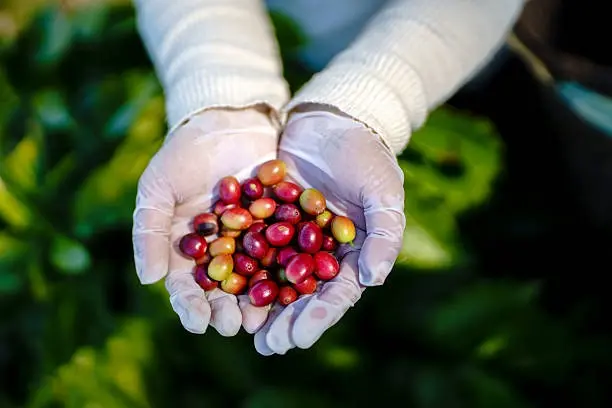
Farming practices, harvest timing, fermentation control, and drying methods all shape the final cup. When producers are paid fairly and supported through stable partnerships, they can focus on precision and care rather than volume.
This is why specialty coffee often tastes better. It comes from systems that reward careful work at every step. As people learn more about how coffee is made, they see that quality and ethics go hand in hand.
Education and the End of Vague Sustainability Claims
Another key part of coffee in 2026 is the need for clear information.
Consumers are increasingly skeptical of broad sustainability claims without explanation. Words like “ethical” or “responsibly sourced” carry little meaning unless supported by specific information. In response, many specialty brands are investing more in education and transparency.
Explaining sourcing models, pricing structures, and processing methods helps build trust. This lets people make good choices without needing to be experts. Learning about coffee is now a big part of enjoying it.
What Your Coffee Choice Supports
Every coffee purchase supports a system.
Choosing coffee without clear origin or sourcing information reinforces anonymous supply chains focused on price alone. Choosing specialty coffee with transparent sourcing supports quality-focused farming, long-term partnerships, and environmental stewardship.
In 2026, this distinction matters more than ever. Climate pressures, rising production costs, and shifting market dynamics have made it increasingly difficult for smallholder farmers to survive without fair compensation.
So, what do these coffee trends in 2026 mean for people who drink coffee every day?
It all starts with being curious. The coffee you pick helps decide which systems last.
Coffee will always be part of daily life, but now your choice matters more than ever. Each time you buy coffee, you support either a system focused on quantity and being unknown or one based on quality, fairness, and care.
Coffee trends in 2026 reflect a simple truth: better coffee comes from better systems. And for those willing to pay attention, every cup tells a story worth understanding.
Explore Solai Coffee’s single-origin specialty coffee, sourced straight from farmers and made to celebrate origin, quality, and transparency, one cup at a time.
Why the Coffee You Choose in 2026 Matters More Than Ever