
Are single-origin coffees truly superior to blends? What makes a coffee blend stand out or fall short compared to single-origin beans? And does one say something about the kind of coffee drinker you are?
Here’s the truth: when it comes to great coffee, there’s no “right” or “wrong” choice. What matters most is the quality, the freshness of the roast, the care in sourcing, and the brewing method. Whether you reach for a single-origin or a blend, the best coffee is the one that brings joy to your cup every morning.
Understanding the difference helps you appreciate each sip even more. Let’s explore what sets single-origin coffees apart from blends — and how to choose the one that suits your taste and lifestyle.
What Is Single-Origin Coffee?
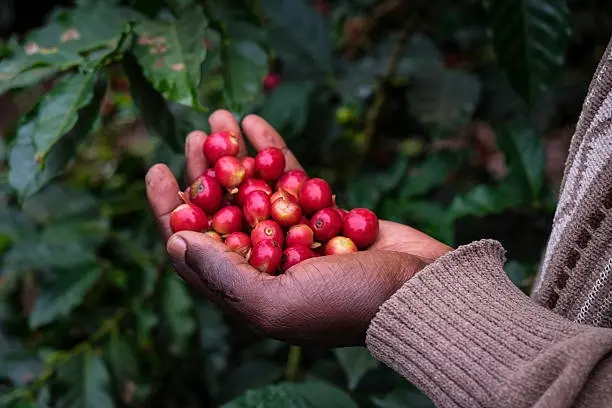
Single-origin coffee originates from a single, specific location — a single farm, estate, or region. For example, when you enjoy Kenya AA Single-Origin Coffee, every bean is grown in Kenya’s highlands, nurtured by volcanic soil, consistent rainfall, and careful hands.
Each origin offers its own flavor signature — a reflection of its climate, altitude, and processing methods. Kenyan coffee, for instance, is celebrated for its bright acidity and fruity undertones, while beans from Brazil tend to have nutty and chocolatey notes.
Related reads: Arabica vs. Robusta: Taste, Caffeine, & Which Coffee is Right for You
Key Features of Single-Origin Coffee
Single-origin coffee celebrates transparency and craftsmanship. It’s for the curious coffee drinker who wants to explore flavors shaped by the soil, altitude, and human dedication.
- Traceable source: You know exactly where your coffee comes from.
- Distinct flavor profiles: Each origin brings unique tasting notes, such as fruity, floral, or wine-like.
- Perfect for Exploration: Each origin invites you to taste the world, one sip at a time.
- Ideal for specialty coffee lovers: Single-origin beans highlight the authenticity and craftsmanship behind coffee farming.
Read more: Why Single-Origin Coffee Matters & How It Impacts Farmers
Why Do Roasters Blend Coffee Beans?
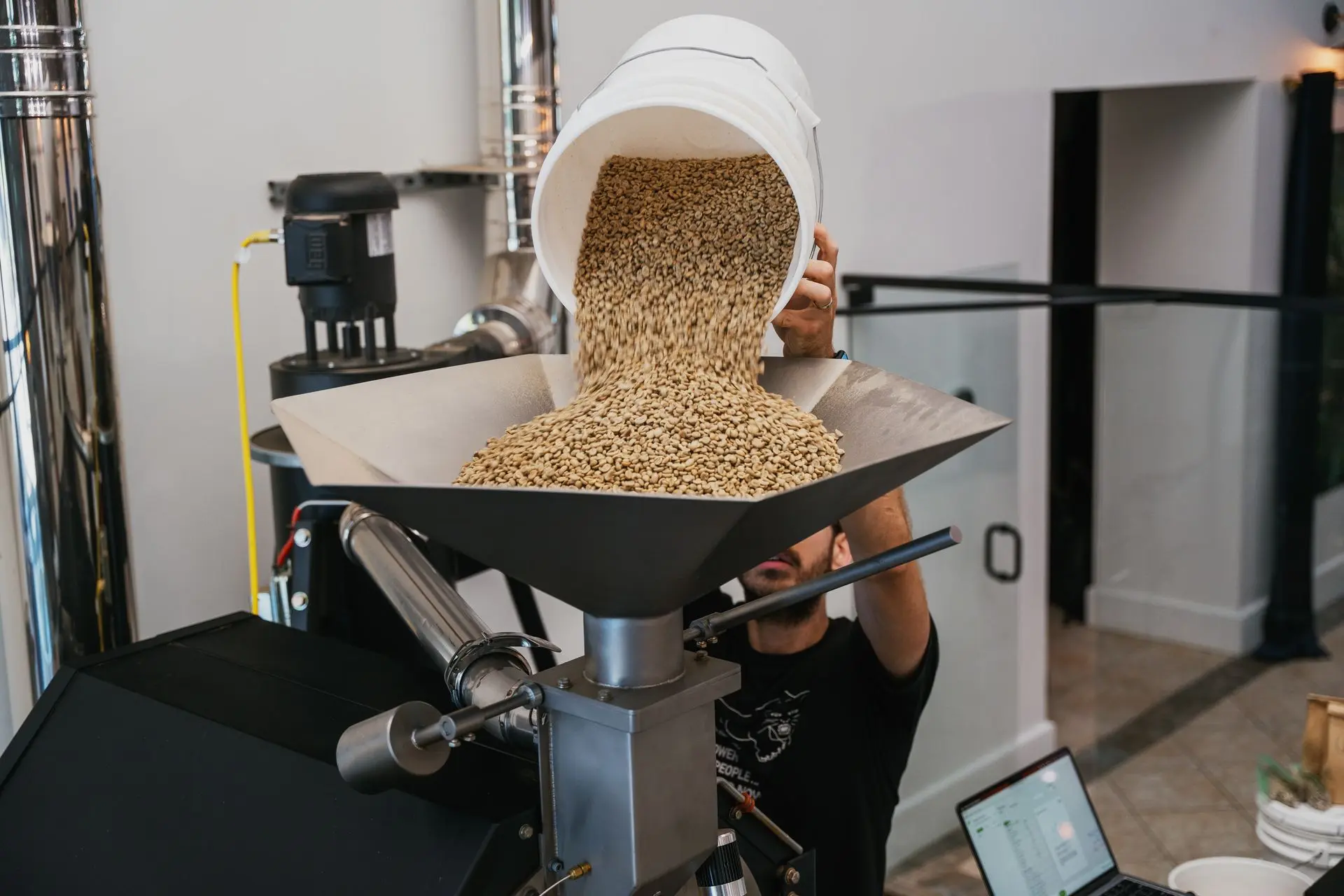
Historically, blending was sometimes used to hide lower-quality beans — but in specialty coffee, blending is an art. The roaster carefully selects high-quality coffee beans from trusted producers, ensuring that every blend maintains consistency and quality while honoring the farmers behind each origin.
For example, a roaster can combine beans from different regions within the same country, or even mix various processing methods.
If you prefer a well-rounded, dependable cup every morning, blends are a great choice. Roasters design them to deliver the best of several worlds — balance, comfort, and familiarity.
Try Our Signature Blends – Perfectly balanced for your daily brew.
Single-Origin vs. Blends: Which Should You Choose?
Ask yourself: Do I want to taste the story of a region or enjoy a smooth, reliable cup every day?
- Go for single-origin coffee if you value traceability and complex flavors.
- Choose coffee blends if you want a consistent taste that fits every mood and brewing style.
For many coffee lovers, alternating between both offers the best of both worlds — a chance to explore and a reason to stay grounded.
Final Thoughts
Whether it’s the vibrant acidity of single-origin Kenyan coffee or the comforting balance of a signature blend, each cup tells a story worth savoring.
At Solai Coffee, we’re proud to source ethically and roast with care, ensuring every bag — single-origin or blend — supports farmers and delivers quality you can taste.
Curious to learn more about coffee terms and techniques? Take a look at our coffee glossary.
Explore Our Single-Origin Collection
Single-Origin vs. Blends: What’s the Difference?