
Walk down a coffee aisle, and you may find two bags of similar size at very different prices. One promises convenience and familiarity. The other may list a specific origin, variety, processing method, roast profile, tasting notes, and the name of the producer or farm.
The natural question is whether those details produce enough value to justify the higher price.
The honest answer is that expensive coffee can be worth it, but price alone does not make coffee better.
A higher price becomes meaningful when it reflects qualities you can identify and value, such as better green coffee, careful harvesting and processing, skilled roasting, freshness, traceability, consistency, or a flavor profile you genuinely enjoy.
It is not worth paying more simply because a bag looks premium or uses impressive language. The useful question is not, “Is expensive coffee always better?” It is, “What am I receiving for the price difference?”
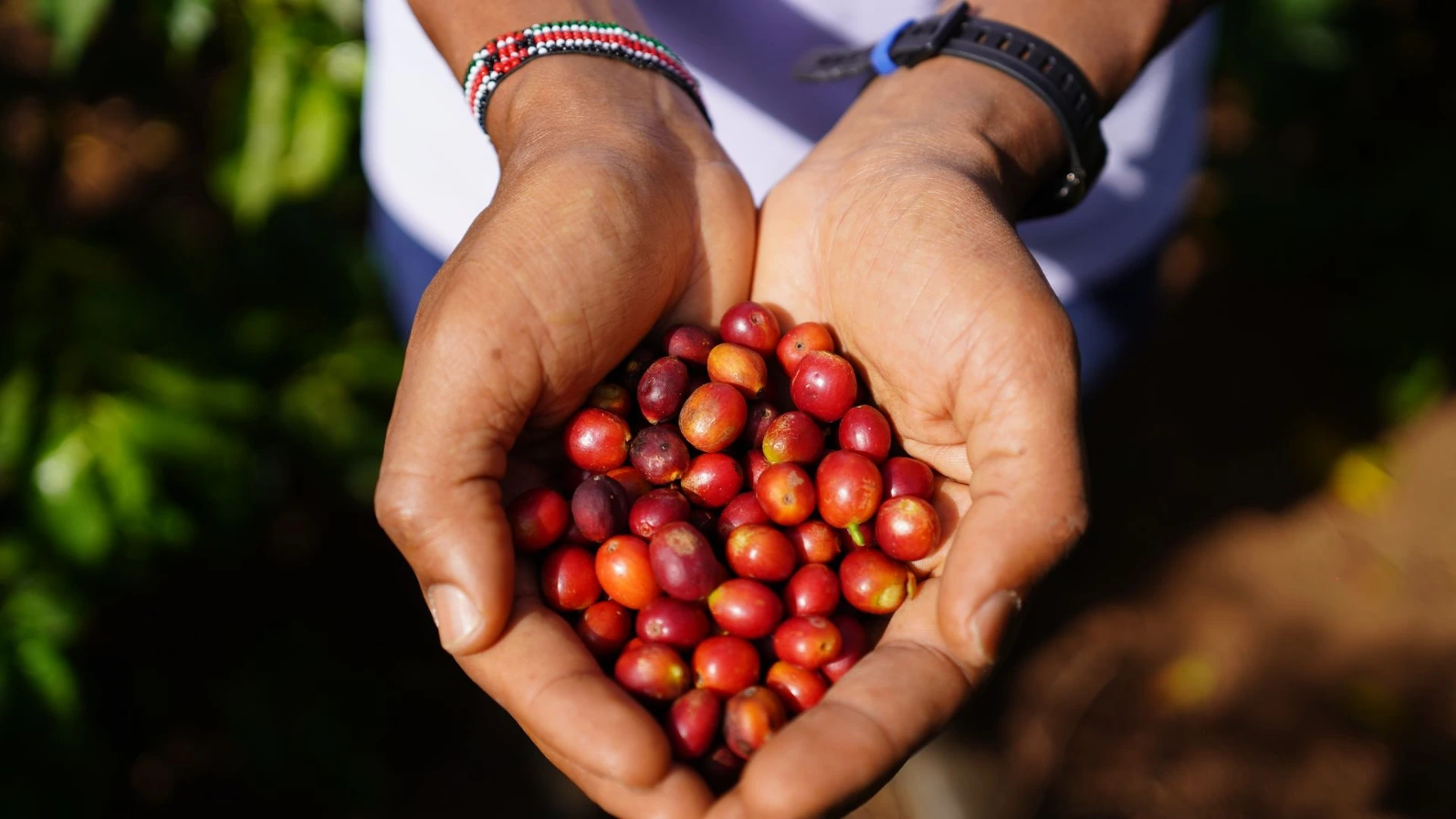
Expensive Coffee and Specialty Coffee Are Not the Same Thing
“Expensive” describes a price. It does not explain why the product costs more. “Premium” can also be a marketing term without a consistent technical meaning.
Specialty coffee should give buyers more information to evaluate. The Specialty Coffee Association describes specialty coffee as coffee or a coffee experience recognized for distinctive attributes that create significant additional value in the market. Those attributes can include what is present in the cup, such as aroma, flavor, texture, and aftertaste, as well as information about origin, processing, and production.
This broader definition matters because people do not all value coffee in the same way. One person may pay more for a bright, fruit-forward cup from a traceable Kenyan lot. Another may prefer a familiar chocolate-led profile that works consistently in a drip machine. The SCA’s Coffee Value Assessment recognizes both descriptive qualities and personal preference as parts of how coffee is valued.
Therefore, a coffee can be objectively well produced without being the right purchase for every drinker. Value begins with quality, but it is completed by relevance to the person brewing it.
What Can a Higher Coffee Price Represent?
A retail bag carries costs and decisions from several stages of the supply chain. The final price may reflect the quality and availability of the green coffee, labor at origin, processing, milling, export, transport, importing, roasting, packaging, business operations, and retail service.
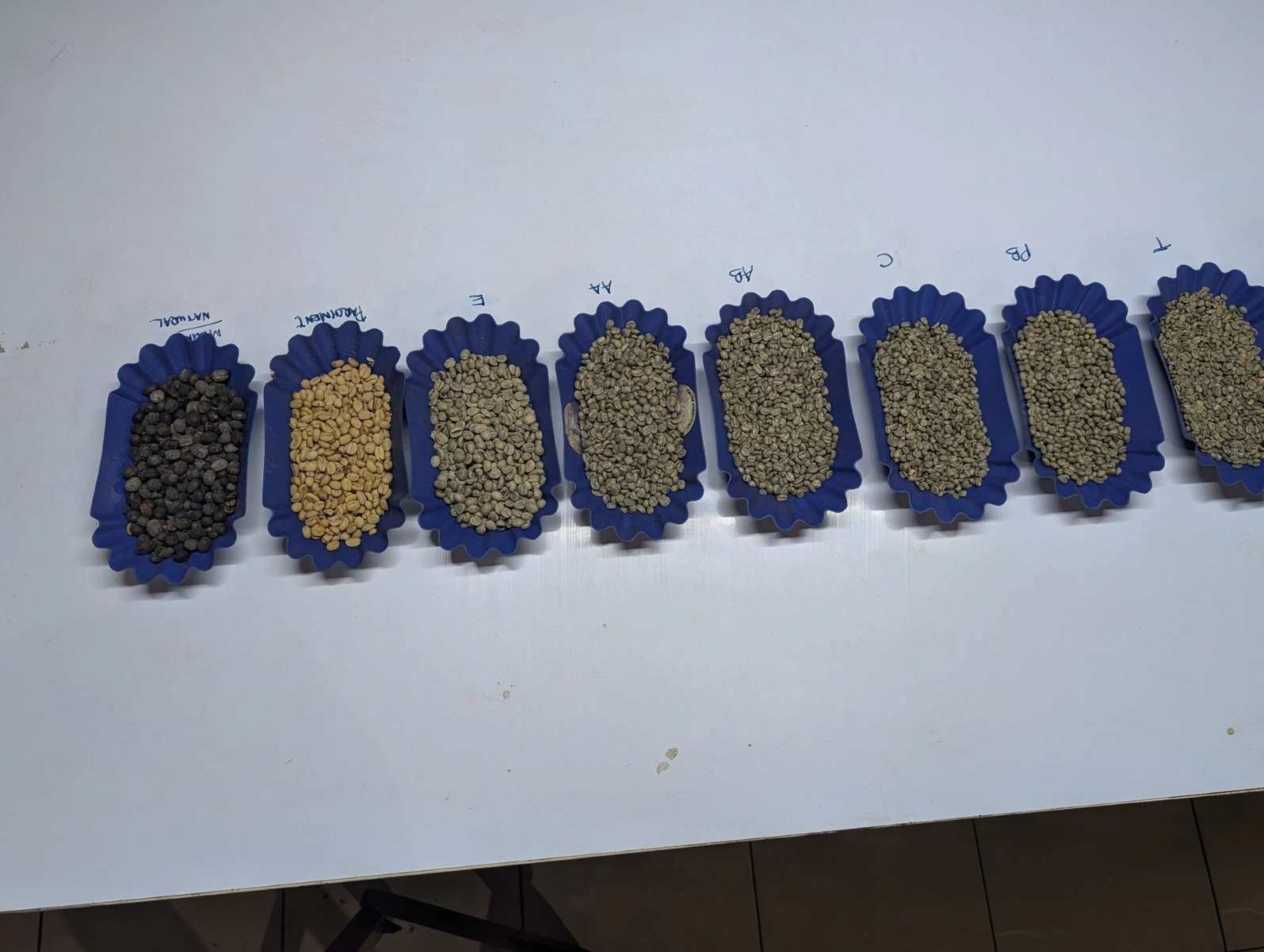
Before coffee reaches a roasting machine, green buyers assess factors such as physical condition, processing, cup performance, consistency, traceability, lot size, and intended use. These decisions help determine whether a coffee suits a single-origin release, a blend, espresso, filter brewing, or another application. Our guide to what coffee roasters look for when buying green coffee explains how that evaluation shapes the coffee eventually offered to consumers.
Quality can also require more work at the farm and processing levels. Coffee farmers may selectively pick ripe cherries, manage fermentation carefully, monitor drying, separate lots, and remove defects. Roasters must then develop and repeat a roast that presents the coffee well.
None of these steps guarantees that you will personally enjoy the finished cup. However, they create the conditions for clearer flavor, greater consistency, and better information about what you are buying. For a detailed explanation of the expenses accumulated across these stages, read why specialty coffee costs more.
What Do You Actually Get in the Cup?
The most convincing justification for a higher price should eventually reach the person drinking the coffee. That value may appear in several ways.
More Distinctive Flavor
Carefully produced coffee can offer more clearly defined sweetness, acidity, aroma, mouthfeel, and aftertaste. Instead of tasting mainly roasted or bitter, the cup may reveal fruit, floral, chocolate, caramel, spice, or other characteristics associated with its origin, variety, processing, and roast.
Distinctive does not mean that one flavor style is universally superior. A light, bright cup may excite one person and suit another. Paying more makes sense when the coffee offers qualities you notice and enjoy.
Greater Consistency
Consistency matters because a good first cup has limited value if the next bag behaves completely differently. Careful sorting, quality control, roasting, and packaging can make it easier to reproduce the flavor you expected.
Coffee will always vary because it is an agricultural product. Even so, a quality-focused producer and roaster should be able to explain the intended profile and help customers brew toward it.
Better Information
Useful information reduces guesswork. Origin, processing method, roast level, tasting notes, and brewing guidance help you choose coffee that suits your preferences and equipment.
Traceability also lets you evaluate claims beyond taste. A named farm or region does not automatically prove responsible sourcing. Still, it gives you a better starting point than a vague description with no explanation of where the coffee came from.
A Better Match for Your Brewing Method
Value depends partly on how you brew. A carefully roasted coffee may perform beautifully as a pour-over but fail to produce the body you want from espresso. Another may suit a French press or automatic brewer more naturally.
The best purchase is not necessarily the highest-scoring or most unusual bag. It is the coffee whose roast, flavor, and brewing requirements match the way you drink it.
Calculate the Cost Per Cup, Not Just the Bag Price
The price printed on the bag can make specialty coffee feel significantly more expensive. Calculating the cost per serving gives a more useful comparison.
A 12-ounce bag contains approximately 340 grams of coffee. If you use 18 grams for each brew, the bag makes about 18 to 19 cups. The following examples show the approximate coffee cost before adding water, filters, milk, sweeteners, or energy.
Price of a 12-ounce bag | Approximate cost per cup |
| $16 | $0.85 |
| $20 | $1.06 |
| $24 | $1.27 |
| $28 | $1.48 |
The difference between a $20 bag and a $28 bag is substantial at checkout, but it works out to roughly 42 cents per brewed cup at this dose. Whether that difference is worth it depends on the improvement you notice in flavor, freshness, consistency, information, and sourcing confidence.
Bag size also affects value. A larger bag may lower the price per ounce, but the savings disappear if the coffee loses freshness before you finish it. If you are considering a larger quantity, our guide to whether bulk coffee is a good deal for home brewers explains how to balance cost, consumption, storage, and freshness.
Does Paying More Guarantee Better Outcomes at Origin?
No. A higher retail price does not automatically prove that producers received more money or that the coffee was grown and traded responsibly.
The retail price includes value and costs added after coffee leaves the farm. Roasting, labor, rent, equipment, packaging, fulfillment, and customer service all matter. This is why consumers cannot determine the producer’s income by looking at the shelf price alone.
However, their choice still matters. Buyers can look for companies that explain their sourcing relationships, identify producers or growing regions, describe how they achieve quality, and communicate what their model changes in practice. Our article on why the coffee you choose in 2026 matters explores how purchasing decisions connect with traceability, farming, and the future of coffee.
The wider industry is also operating under pressure. Climate instability, rising farm and labor costs, supply disruptions, and volatile markets can increase prices without producing an equal improvement in quality or farmer income. Read about the five biggest challenges facing the specialty coffee industry in 2026 for the broader context behind today’s prices.
The responsible conclusion is not that every high-priced bag creates a better system. It is that consumers should expect clearer evidence when a company asks them to pay more.
How to Decide Before Buying
Start with your own preferences. Decide whether you prefer bright, fruit-forward coffee; deeper chocolate-and-caramel profiles; lighter roasting; or a fuller-bodied cup. Then check whether the bag provides enough information to choose confidently.
Look for an identifiable origin, meaningful processing or variety details, freshness information, and brewing guidance. Calculate the approximate cost per cup and compare it with the experience you expect, rather than judging the purchase only by the total bag price.
Buy a quantity you can use while it still tastes fresh. If you are trying a new origin or roast style, begin with a smaller bag before committing to a larger purchase. Finally, keep your brewing method consistent enough to compare one coffee fairly with another.
These steps turn “Is expensive coffee worth it?” from a general debate into a practical decision based on your taste, budget, and priorities.
So, Is Expensive Coffee Worth It?
It can be, when the difference is visible, tasteable, and accountable.Good value may come from a memorable flavor, reliable freshness, careful roasting, transparent origin information, responsible relationships, or a combination of these factors. Different consumers will weigh them differently, so no single bag price can define value for everyone.
At Solai Coffee, premium positioning should come with an explanation. As a farm-direct producer, importer, and roaster with relationships rooted in Kenya, we connect each finished bag to identifiable origins, quality decisions, and the people who produce the coffee.
You should not have to pay more simply because a company asks you to believe its coffee is special. You should be able to see what makes it distinctive, brew it with confidence, and decide whether the experience earns a place in your routine.
Explore Solai Coffee roasted coffee and choose a profile that fits how you like to brew.