
The rise of third-wave coffee culture has reshaped how consumers understand, evaluate, and appreciate their daily cup. Among the most sought-after beans in this movement is microlot coffee—a term that signals exceptional quality, tight traceability, and small-batch precision. Unlike ordinary coffee sourced from large farms or blended origins, microlot coffee comes from a very specific and intentionally selected section of a coffee farm. These tiny lots often represent the absolute best that one farmer, region, or terroir can produce.
In this guide, we break down what microlot coffee really means, why it is considered the pinnacle of specialty coffee.
What Is Microlot Coffee?
At its core, microlot coffee is the most refined expression of single-origin coffee. A typical single-origin coffee may come from a single farm, cooperative, or processing station. However, a microlot goes a step further—focusing on a single, section of land, a limited varietal, or a highly controlled harvest selection.
From Farm to Cup: The Journey of a Microlot
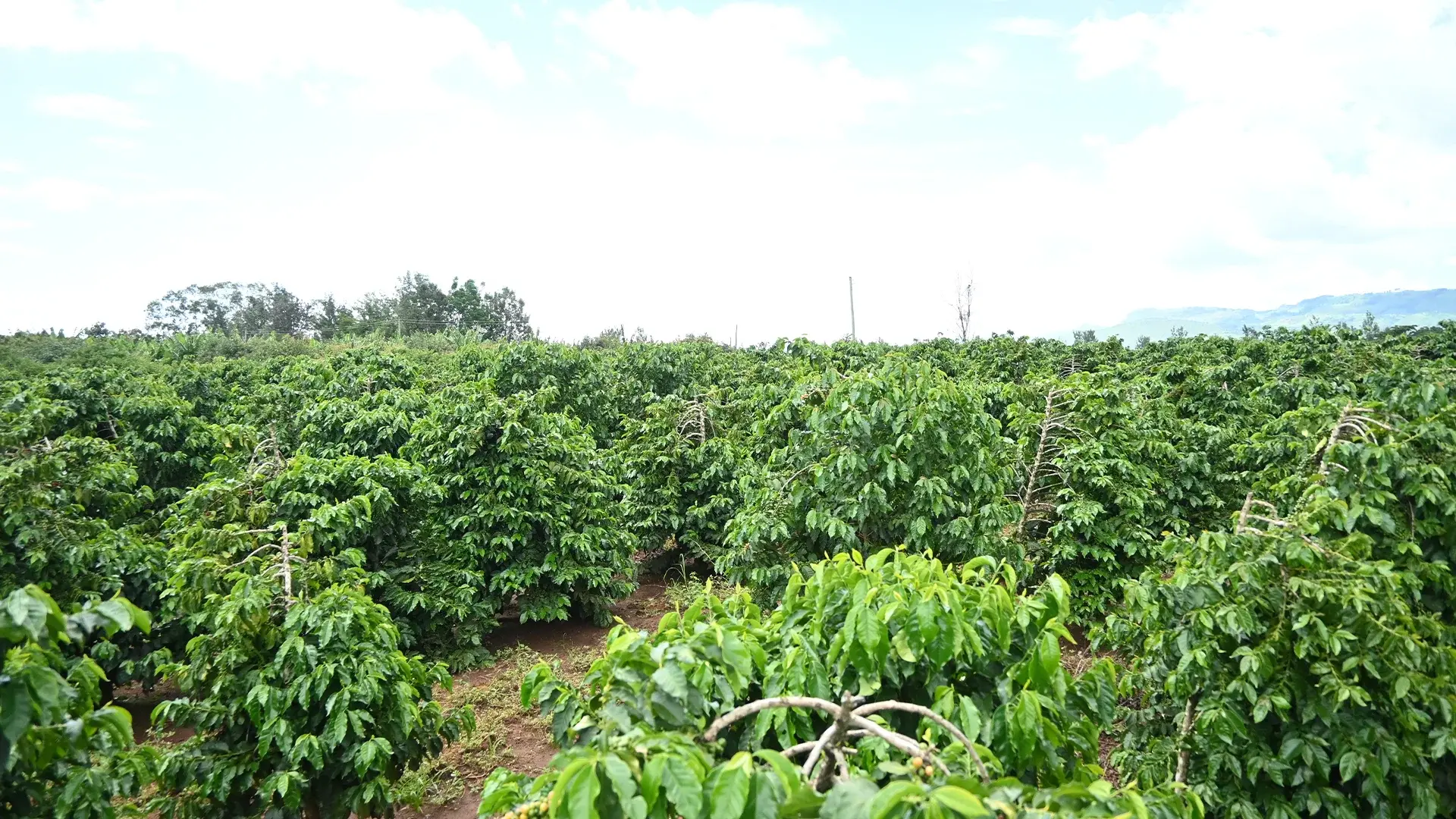
Microlots are intentionally designed for quality. Farmers typically reserve prime land with ideal altitude, shade cover, soil nutrients, and microclimate stability—for microlot production. These plots often sit at elevated zones where cool temperatures slow cherry maturation, resulting in stronger sugars and enhanced flavor concentration.
Coffee-growing regions known for producing award-winning microlots include the Kenyan highlands, Central America's volcanic slopes, the southern Colombian Andean foothills, and Indonesia's high-elevation islands.
For example, in Kenya, where Solai Coffee sources its microlots, farmers favor methods such as precision pruning, careful shade management, and soil rejuvenation to maximize flavor development.
Read on: The Growing Demand for Arabica Coffee
Harvesting
Microlot coffees rely heavily on hand-picking, ensuring that only perfectly ripe red cherries are selected for harvest. In Kenya, skilled women often lead these harvests due to their attention to detail and precision in selecting optimal cherries. Selective picking is labor-intensive but essential. It reduces defects, elevates sweetness, and preserves cup uniformity—qualities that define a specialty microlot.
Related reads: Coffee Harvesting Process in Kenya
Processing Methods
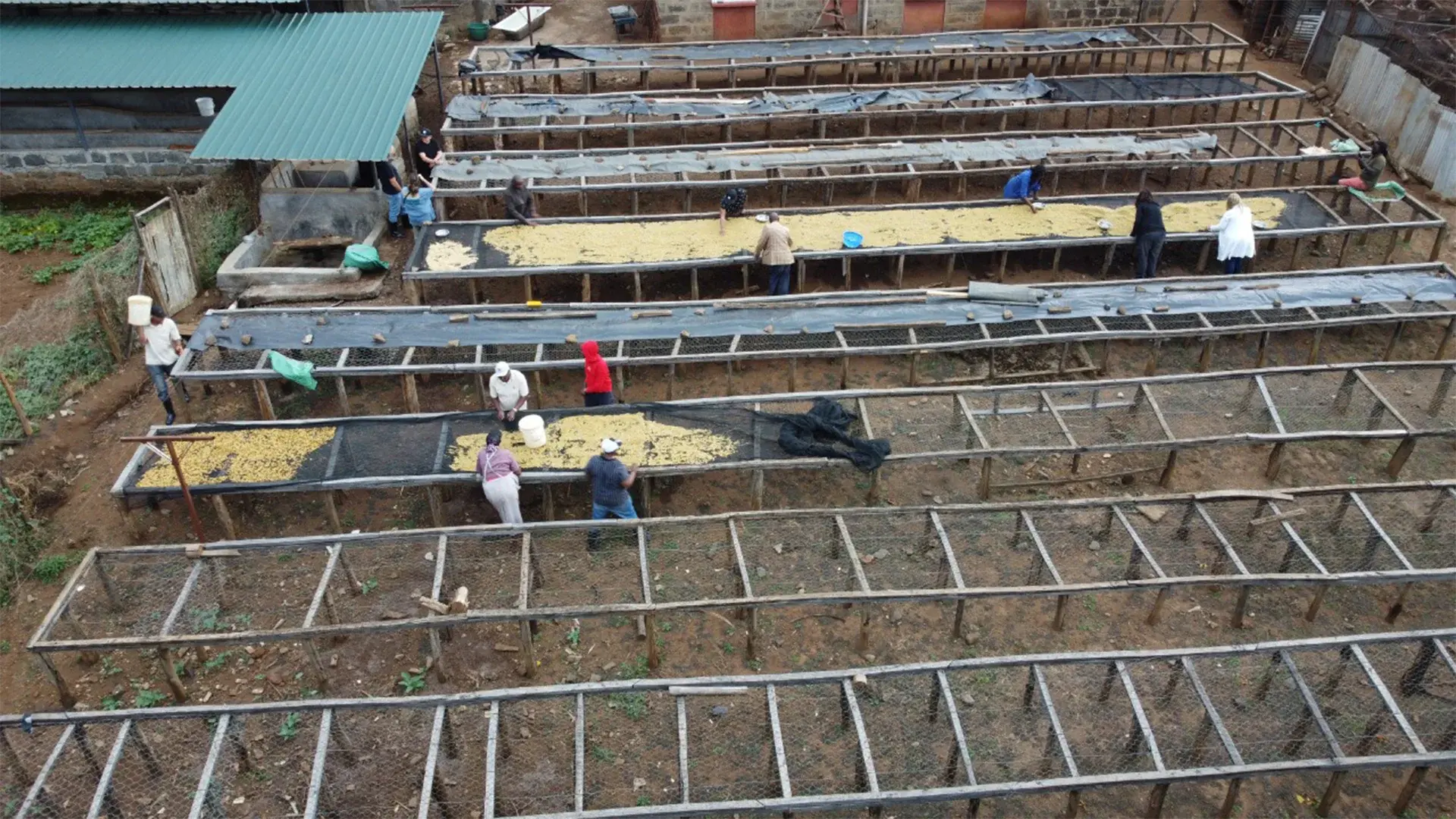
Once harvested, the cherries are processed with extra precision. Common methods include washed (wet), natural (dry), or honey (semi-washed) processing, but microlot producers often experiment with extended fermentation or special drying techniques to bring out unique notes, such as double fermentation and sun drying.
For example, a microlot coffee might undergo prolonged fermentation to enhance fruity or fermented notes. These choices make a big difference: naturally processed microlots tend to be extra fruity and wine-like, while washed microlots highlight clarity and acidity.
Because microlots yield so few bags, farmers discard imperfect cherries and prioritize consistency at every stage of production. This attention results in a remarkably clean and expressive cup.
Why Microlot Coffee Tastes So Distinctive
The standout feature of microlot coffee is its extraordinary flavor complexity. While typical blends aim for consistency, microlots celebrate the unique character of their origin.
Flavor Complexity
Microlots often deliver layered, nuanced notes—ranging from tropical fruit, floral aromatics, and stone fruits to cocoa, citrus, or spice. Because these coffees come from controlled lots, their flavors tend to be more pronounced and refined than those of conventional coffees.
Limited Availability
Each microlot is produced in very small quantities, often in just a few bags ( around 30–40 bags (each weighing 60 kg). When you buy a microlot, you're getting one of the only handful of bags in existence. This not only heightens interest among enthusiasts but also ensures peak freshness.
Experience the full potential of your roast! Request a sample of microlot premium Kenyan green coffee today and taste the quality before you buy.
Traceability & Ethical Transparency
Microlots offer clear answers to: Where the coffee was grown, who farmed it, and how it was processed. This transparency supports ethical sourcing and strengthens direct relationships between farmers and consumers.
Terroir-Driven Character
Each microlot is a product of a unique combination of soil, altitude, and microclimate – known as "terroir." We often say you can taste the place in the cup. For example, a high-altitude Kenyan microlot may exhibit winey acidity and berry sweetness, while a Guatemalan microlot may offer notes of chocolate and flowers.
Read more: How Altitude Affects Coffee Beans and Taste
Premium Craftsmanship
From farm to roastery, microlots receive exceptional care. Specialty roasters develop custom roast profiles for each microlot to highlight origin-specific flavors. This level of dedication is part of the reason microlots command higher prices and deliver elevated experiences.
How to Choose and Brew Your Microlot Coffee
Given their prestige, how should you approach microlots as a coffee drinker?
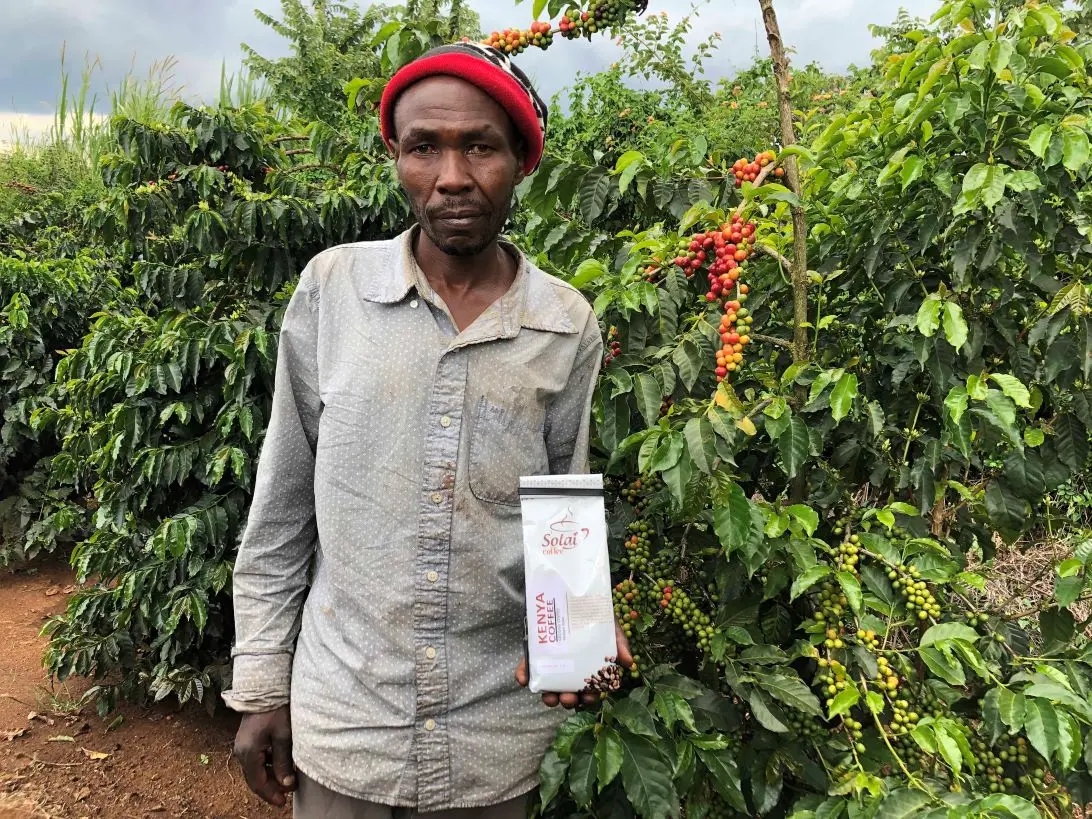
First, look for roast descriptions or labels that mention 'microlot' or 'single-estate' origins. These will often detail the farm or region . Feel free to ask about the lot's story – for microlots, they usually have an interesting background (like the farmer's name or processing method).
Brewing for Maximum Flavor
To fully experience a microlot's uniqueness, use brewing methods that highlight clarity and nuance, such as:
- Pour-over
- Chemex
- AeroPress
- Espresso (for body-forward microlots)
Proper grind size, fresh filtration, and water temperature help unlock the microlot's full potential.
Because microlots are rare, they can be more expensive. However, many of us believe the investment is worth it for the experience and for supporting sustainable farming. It's like buying a small-batch craft beer or a fine wine: you pay a premium and in return you get a memorable sensory experience.
If you're seeking for sensory experience, ethical sourcing, and a deeper connection to origin, microlots provide unparalleled value.
Shop premium Kenya roasted coffee and savor a truly rare coffee experience.
Microlot Coffee: What It Is and What Makes It Truly Special