
Summer is here, and for many people, that means iced lattes, cold brew, and more coffee runs than usual. Yet there is one question that comes up repeatedly among home brewers and casual coffee drinkers alike: why does coffee always seem to taste better at a café than it does at home?
At first glance, it should not. Many people now own quality brewing equipment, buy specialty coffee, and follow online brewing guides carefully. The rise of at-home brewing has made better coffee more accessible than ever before. Yet somehow, café coffee still feels smoother, sweeter, cleaner, or more balanced.
The difference usually comes down to a combination of freshness, technique, equipment, water quality, and even psychology. Café coffee is not magically better, but cafés are often better optimized to bring out coffee's full potential consistently.
Once you identify what sets café coffee apart, bridging that gap at home becomes much easier.
Bringing the Café Experience Beyond the Coffee Shop
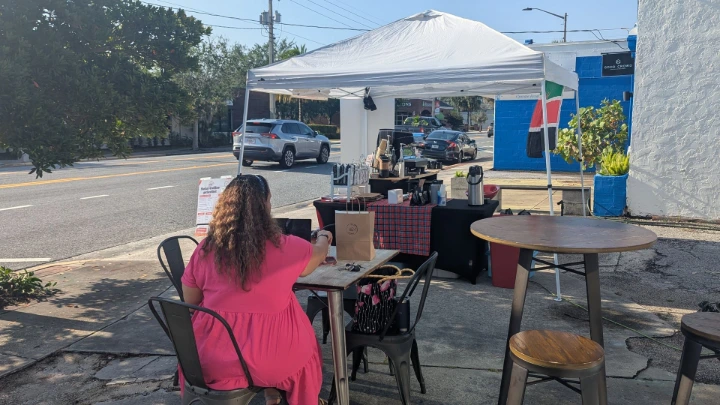
For many people, part of what makes café coffee feel special is the experience itself. Solai Coffee Wheels brings that experience directly to events, gatherings, workplaces, and celebrations with specialty coffee served fresh on-site.
Freshness Changes Everything
One of the biggest differences between café coffee and home coffee is freshness.
Most specialty cafés use coffee that was roasted recently and stored carefully. Beans are often used within an ideal window after roasting, when sweetness, aromatics, and clarity are at their best.
At home, coffee often sits too long after opening. Exposure to oxygen, heat, moisture, and light gradually flattens flavor and reduces complexity. This is one reason why freshly roasted coffee tastes more vibrant and balanced. It preserves the natural sugars, acidity, and aromatics that give coffee depth in the cup.
In addition, cafés typically move coffee through faster than most households, so beans rarely sit long enough to lose their peak character.
Grind Quality Makes a Bigger Difference Than Most People Think
Even great coffee can taste disappointing if the grind is inconsistent.
Most cafés use commercial grinders designed to produce uniform particle sizes. This consistency allows water to extract flavor evenly during brewing.
At home, lower-quality grinders often create uneven particles. Some grounds extract too quickly while others extract too slowly, leading to cups that taste bitter, sour, or muddy at the same time. This is especially noticeable in espresso and cold brew, where grind consistency directly affects balance and sweetness.
For many home brewers, this is why upgrading the grinder can often improve coffee quality more than upgrading the brewer itself.
Cafés Are Built Around Precision
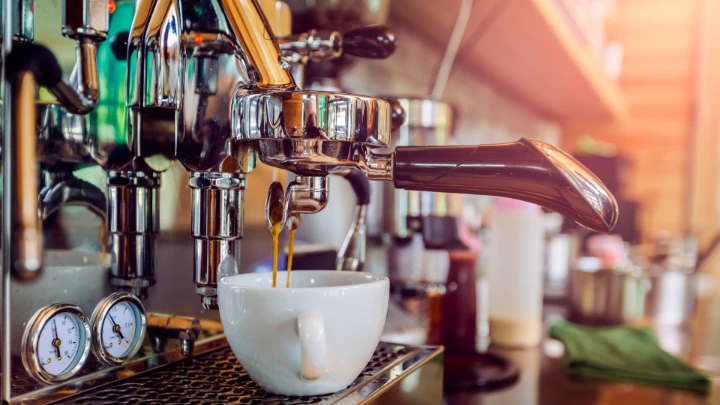
Coffee shops repeat the same recipes dozens or even hundreds of times per day. That repetition creates consistency.
Baristas constantly dial in grind size, brew ratio, water temperature, and extraction time. Small adjustments are made throughout the day to account for humidity, bean age, and environmental changes.
At home, brewing is often more casual. Measurements vary, water temperature changes, and recipes shift from cup to cup. This precision is one reason café coffee tends to feel cleaner and more balanced overall.
Water Quality Plays a Huge Role
Coffee is more than 98% water, yet many people overlook how much water quality affects flavor.
Most specialty cafés filter and optimize their water because mineral balance directly impacts extraction. Water that is too hard or too soft can mute sweetness, exaggerate bitterness, or flatten acidity. At home, tap water quality varies dramatically depending on location.
Sometimes the difference between average coffee and café-quality coffee comes down to better water.
The Coffee Itself Is Often Different
Many cafés work closely with specialty roasters who focus on sourcing, roast development, and freshness.
Smaller roasters often use carefully selected coffees with distinct flavor profiles rather than mass-produced blends designed for shelf stability.
This is why small-batch roasting matters so much in specialty coffee. Roasters adjust each coffee individually to preserve its origin characteristics and sweetness, rather than creating a single uniform roast profile for every coffee.
Coffees like Kenya AA and AB are especially known for their bright fruit notes, layered sweetness, and complexity when roasted carefully.
Atmosphere Affects Taste More Than People Realize
Part of the café experience is psychological. Music, lighting, aroma, presentation, and social environment all shape how people perceive flavor. Drinking an iced cold brew in a café on a warm summer afternoon feels different than drinking coffee while rushing through emails at home.
Studies around sensory perception consistently show that the environment changes how people experience taste. This does not mean the coffee itself is necessarily better. It means the overall experience affects enjoyment.
Why Cold Brew Often Tastes Better at Cafés
Cold brew becomes even more popular in summer, and it often seems that cafés consistently achieve a better-tasting result than home setups.
Cold brew requires:
- Proper grind size
- Correct steeping time
- Good filtration
- Fresh coffee
- Balanced ratios
Many home brewers either over-extract or dilute incorrectly, leading to bitter or watery results.
Cafés overcome these pitfalls by relying on standardized cold brew recipes, large-batch process controls, and tested brewing parameters. This approach consistently produces smoother, more balanced, and more reliable cold brew coffee than many home methods.
You Can Still Make Café-Quality Coffee at Home
The good news is that café-quality coffee at home is completely possible.
The biggest improvements usually come from:
- Buying fresher coffee
- Using better water
- Grinding coffee consistently
- Measuring brew ratios carefully
- Storing coffee properly
For many people, consistency matters more than expensive equipment.
Coffee subscriptions can also help maintain freshness by delivering smaller quantities more regularly, preventing coffee from sitting too long after opening.
Final Thoughts
Coffee tastes better at cafés because cafés are designed to optimize freshness, consistency, and brewing precision. Better grinders, fresher coffee, filtered water, and repeatable brewing methods all contribute to the final cup.
But the difference is not impossible to close. With fresher coffee, better brewing habits, and more attention to detail, home coffee can become far closer to the café experience than many people realize. And during summer, few things are more rewarding than getting a cold brew or iced coffee at home exactly right.
For home brewers looking to improve their coffee experience, starting with freshly roasted specialty coffee often makes the biggest difference.